The healthcare industry is evolving rapidly with technology innovations improving patient care, efficiency, and access to medical services worldwide.
Innovations such as digital health records, artificial intelligence, and telemedicine are transforming how medical services are delivered. These technologies improve patient care, streamline operations, and make healthcare more accessible.
For both healthcare professionals and patients, understanding these advances is essential for navigating modern medical practices. This It’s Time to Think About Wire media article will discuss it in full in easy-to-understand language.
Digital Health Records and Data Management
Digital health records have revolutionized the way patient information is stored, accessed, and shared. Electronic health records (EHRs) provide a secure and centralized platform that enhances communication between healthcare providers and ensures accurate patient data is available at all times.
Efficient Patient Data Access
EHRs allow doctors and nurses to access a patient’s complete medical history instantly. This capability reduces errors, prevents unnecessary tests, and ensures treatment decisions are informed by comprehensive and up-to-date information.
Enhanced Data Security
Modern EHR systems include encryption, secure login protocols, and regular backups to protect sensitive patient information. Strong data security helps healthcare organizations comply with regulations while maintaining patient trust and confidentiality.
Artificial Intelligence and Machine Learning
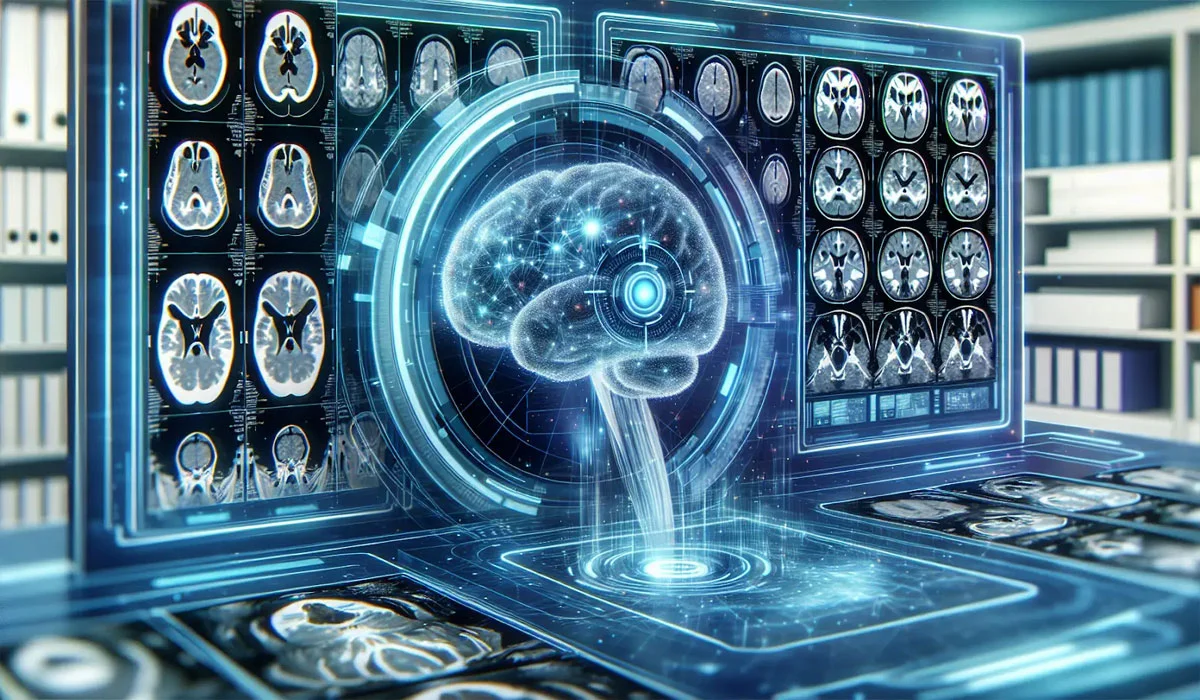
Artificial intelligence (AI) and machine learning are transforming healthcare by enabling faster and more accurate diagnostics, improving treatment plans, and supporting predictive analytics. AI can analyze large datasets and detect patterns that may not be obvious to human clinicians.
Early Disease Detection
AI-powered tools can identify early signs of diseases such as cancer, diabetes, and heart conditions. By recognizing subtle patterns in medical images and test results, AI supports timely intervention and enhances treatment outcomes.
Personalized Treatment Plans
Machine learning models use patient data, including genetics, medical history, and lifestyle factors, to recommend personalized treatment strategies. Tailored care ensures patients receive interventions that are most likely to be effective and reduces trial-and-error in treatment.
Read Also: Learning New Skills Expands Knowledge Builds Brighter Future Opportunities
Telemedicine and Remote Care
Telemedicine is a modern healthcare solution that allows patients to access medical services without visiting healthcare facilities physically. This approach increases convenience, expands access to care, and is particularly valuable for patients in remote or underserved areas.
Virtual Consultations
Patients can schedule video appointments with healthcare providers, reducing the need for travel and exposure to contagious illnesses. Virtual consultations offer flexibility and timely access to professional care.
Remote Monitoring
Wearable devices and mobile health applications allow continuous tracking of vital signs, activity levels, and medication adherence. Real-time data is shared with healthcare providers, enabling proactive interventions and better management of chronic illnesses.
Conclusion
Technological advances in the healthcare industry are reshaping patient care and operational efficiency. Digital health records, artificial intelligence, and telemedicine are among the innovations that improve diagnosis, personalize treatments, and enhance accessibility. Healthcare organizations that adopt these technologies can reduce errors, optimize resource use, and provide higher quality care.
Patients benefit from faster, safer, and more convenient medical services, while healthcare providers gain tools that support decision-making and predictive care. As technology continues to advance, the healthcare industry will become more connected, proactive, and patient-centered, paving the way for a future where medical care is both smarter and more effective.