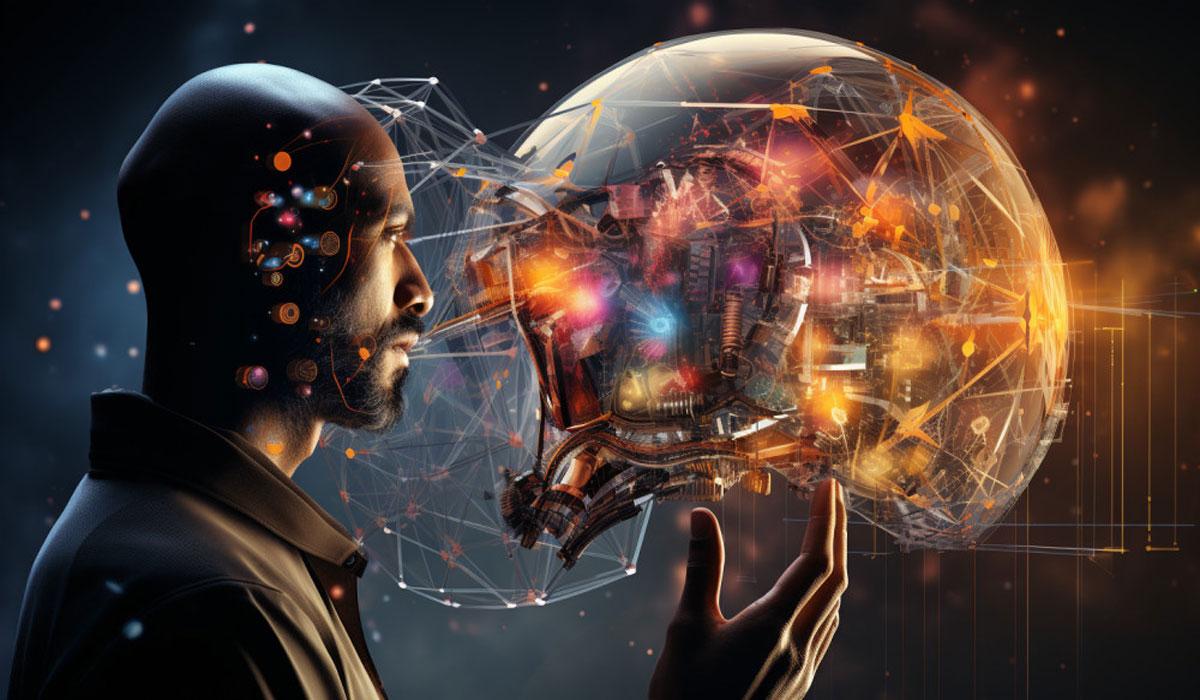
The use of artificial intelligence in the medical world helps healthcare professionals speed up accurate diagnoses.
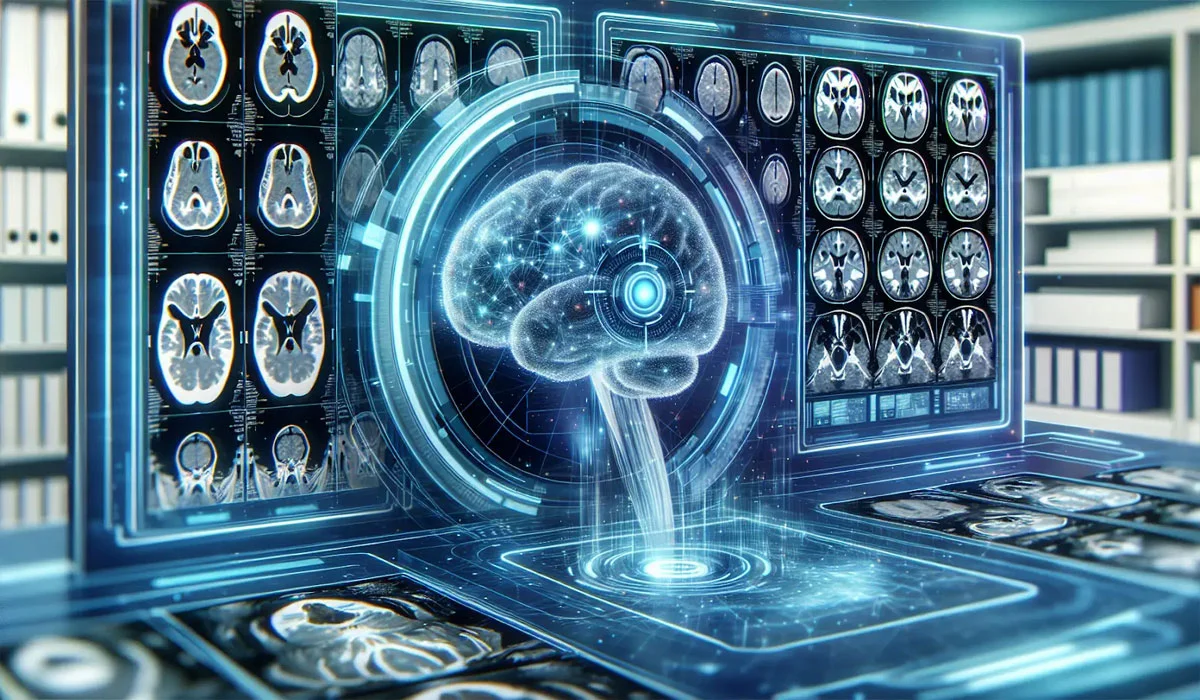
Artificial Intelligence is an intelligent computing technology that mimics human abilities to analyze medical data and accelerate the clinical diagnosis process. Below, It’s Time to Think About Wire media will discuss the role, benefits, and applications of smart technology in the modern medical world in more depth.
The Role of AI in Accelerating the Diagnostic Process
In modern medical practice, the speed of diagnosis is a critical factor in determining the success of appropriate and efficient patient care. Artificial Intelligence (AI) enables systems to analyze large amounts of clinical data, such as laboratory results, radiology images, and electronic medical records, simultaneously and quickly. This technology helps doctors identify disease patterns that are difficult to recognize manually.
For example, in radiology exams, machine learning algorithms can highlight abnormal areas on scans within seconds. This reduces patient waiting times and speeds up medical decision-making. Furthermore, intelligent systems are also able to prioritize emergency cases based on risk levels.
With the support of automated analysis, medical personnel can focus more on clinical procedures and patient interactions. Work processes become more efficient without sacrificing accuracy, significantly improving the overall quality of healthcare services.
Diagnostic Accuracy Based on Medical Data
Diagnostic accuracy relies heavily on the ability to analyze medical data consistently and objectively across a wide range of clinical conditions. Artificial Intelligence plays a crucial role in reducing human error by processing evidence-based and statistical data. These systems are trained using millions of real-life case data sets, enabling them to recognize variations in disease symptoms in detail.
In pathology, for example, tissue image analysis can be performed with high precision to detect abnormal cells. This technology helps provide doctors with an objective second opinion. Furthermore, the integration of historical patient data enables more personalized diagnostic recommendations. With a data-driven approach, the risk of misdiagnosis can be reduced. The result is more accurate, consistent, and scientifically sound clinical decisions in daily medical practice.
Also Read: Learning New Skills Expands Knowledge Builds Brighter Future Opportunities
AI Support for Medical Professionals
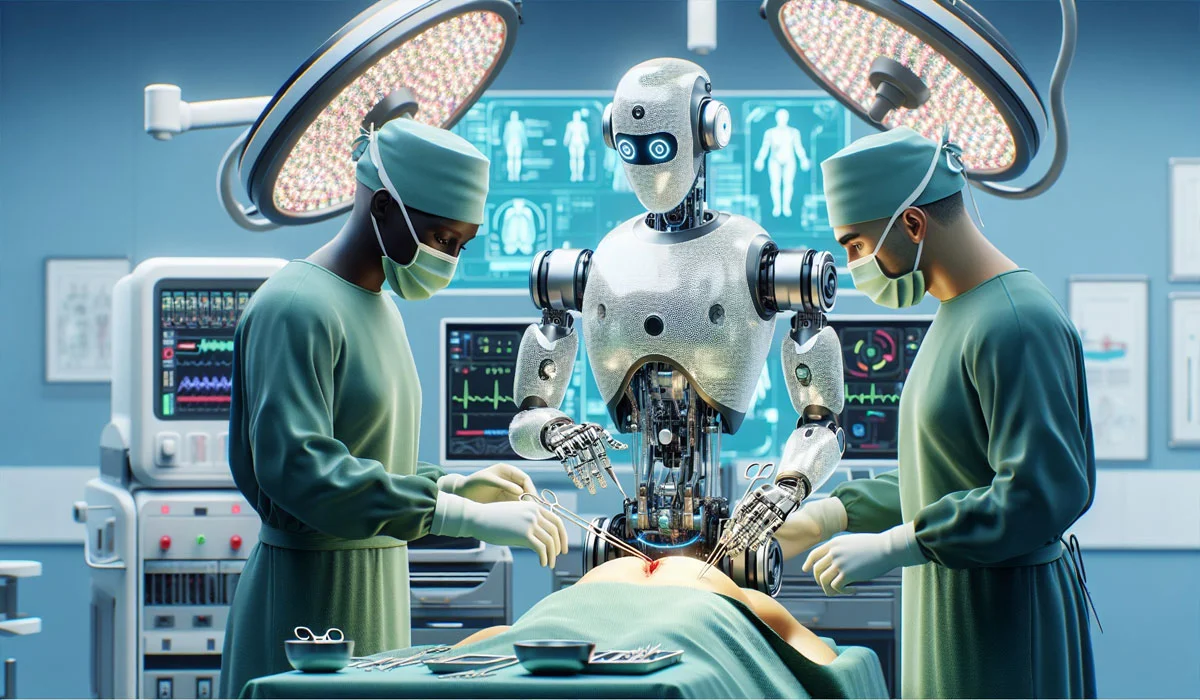
Intelligent technology is not intended to replace doctors, but rather to support their clinical decision-making. Artificial Intelligence serves as an analytical tool that provides recommendations based on the latest medical data. Doctors retain full control in determining the final diagnosis and treatment plan for patients. With decision support systems, administrative workloads can be significantly reduced.
For example, recording and analyzing medical records can be automated, saving time. This allows medical professionals to focus more on communication and empathy with patients. Furthermore, intelligent systems help general practitioners obtain rapid referrals for complex cases. This collaboration between technology and medical professionals creates a more efficient, safe, and high-quality work environment for healthcare services.
AI Applications in Various Medical Fields
The use of intelligent technology has been implemented across various medical specialties with promising and measurable results. Artificial Intelligence is used in radiology for image analysis, cardiology for heart rhythm monitoring, and oncology for early cancer detection. In dermatology, image analysis systems help identify potential skin cancers from simple photographs.
Meanwhile, in primary healthcare, this technology supports early screening for chronic diseases. These cross-disciplinary applications demonstrate the technology’s flexibility in adapting to clinical needs. Integration with modern medical devices also expands its scope of use. With the right approach, hospitals and clinics can improve the overall quality of diagnoses. This makes intelligent technology a crucial part of the transformation of modern healthcare.
Challenges and Ethics of AI in Medical Use
Despite offering numerous benefits, the application of intelligent technology in the medical world also faces serious challenges. Artificial Intelligence requires high-quality data to ensure accurate and secure analysis results. Patient privacy is a key concern due to the sensitive nature of medical data processing. Furthermore, the transparency of algorithms must be maintained to ensure the system’s decisions are understandable to medical personnel.
Another challenge is the technology gap between large and small healthcare facilities. Regulations and ethical standards must also continue to evolve to keep pace with technological advancements. Without proper oversight, the risk of data misuse can increase. Therefore, the implementation of this technology must be accompanied by clear policies, education for medical personnel, and a strong commitment to patient safety and rights.
Image Source:
First Image from: readysetrecover.com
Second Image from: biorapidiag.com