Technology has become an inseparable part of modern human life, influencing how people communicate, work, learn, and even think.
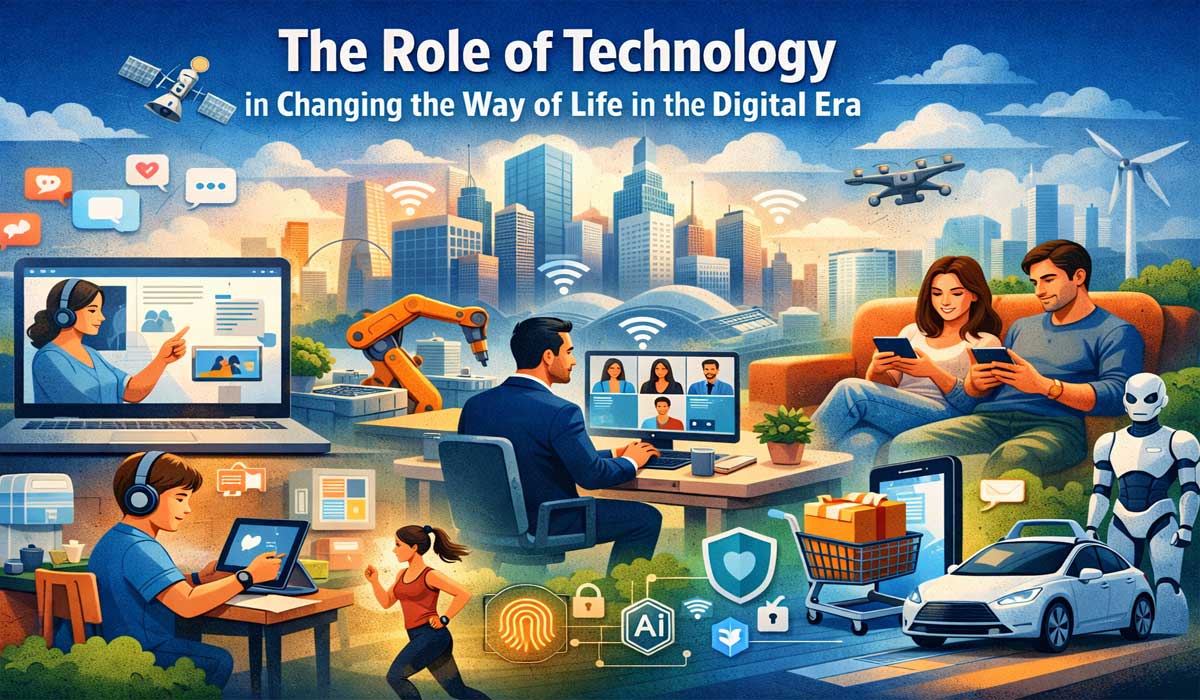
The rapid growth of digital tools has transformed everyday routines, making tasks faster and more efficient. From smartphones to artificial intelligence, innovation continues to reshape society in profound ways. It’s Time to Think About Wire media, as part of this evolving digital landscape where communication and information flow are becoming increasingly interconnected.
In the digital era, technology is not only a convenience but also a necessity. It has changed the structure of industries, social interactions, and personal habits. Understanding its role helps individuals adapt and thrive in an increasingly connected world.
Transformation of Communication
One of the most visible impacts of technology is in communication. Digital platforms such as messaging apps and social media have made it possible to connect instantly across the globe. People no longer rely solely on face-to-face interaction or traditional methods like letters.
This transformation has also influenced the way relationships are built and maintained. Online communication allows individuals to stay connected regardless of distance. However, it also raises concerns about reduced personal interaction and the quality of relationships.
Technology has introduced new forms of expression, including emojis, video calls, and virtual meetings. These tools make communication more dynamic and interactive. As a result, communication has become more flexible and accessible.
Despite its benefits, overreliance on digital communication can lead to misunderstandings. It is important to balance online and offline interactions to maintain meaningful connections.
Impact on Education and Learning
Technology has revolutionized the education sector by making learning more accessible and flexible. Online platforms, digital classrooms, and e-learning tools allow students to study from anywhere at any time. This has opened opportunities for people who previously had limited access to education.
Interactive tools such as videos, simulations, and educational apps enhance the learning experience. Students can engage with content in a more dynamic way compared to traditional methods. This improves understanding and retention.
Teachers also benefit from technology through improved teaching resources and communication tools. They can monitor student progress more effectively and provide personalized support. This creates a more efficient learning environment.
However, the digital divide remains a challenge. Not everyone has equal access to technology, which can widen educational gaps. Addressing this issue is essential for inclusive learning.
Read Also: Eco-Friendly Technologies for a Sustainable Future
Changes in Work and Productivity
The workplace has undergone significant changes due to technological advancements. Remote work, digital collaboration tools, and automation have redefined how tasks are performed. Employees can now work from different locations without compromising productivity.
Technology has also increased efficiency by automating repetitive tasks. This allows workers to focus on more complex and creative activities. As a result, businesses can achieve higher productivity with fewer resources.
At the same time, technology has created new job opportunities in fields such as software development and data analysis. However, it has also led to the decline of certain traditional roles. Adaptability is crucial in this evolving job market.
Balancing work and personal life can be challenging in a digital environment. Constant connectivity may lead to burnout if not managed properly. Setting boundaries is important for maintaining well-being.
Influence on Lifestyle and Daily Activities
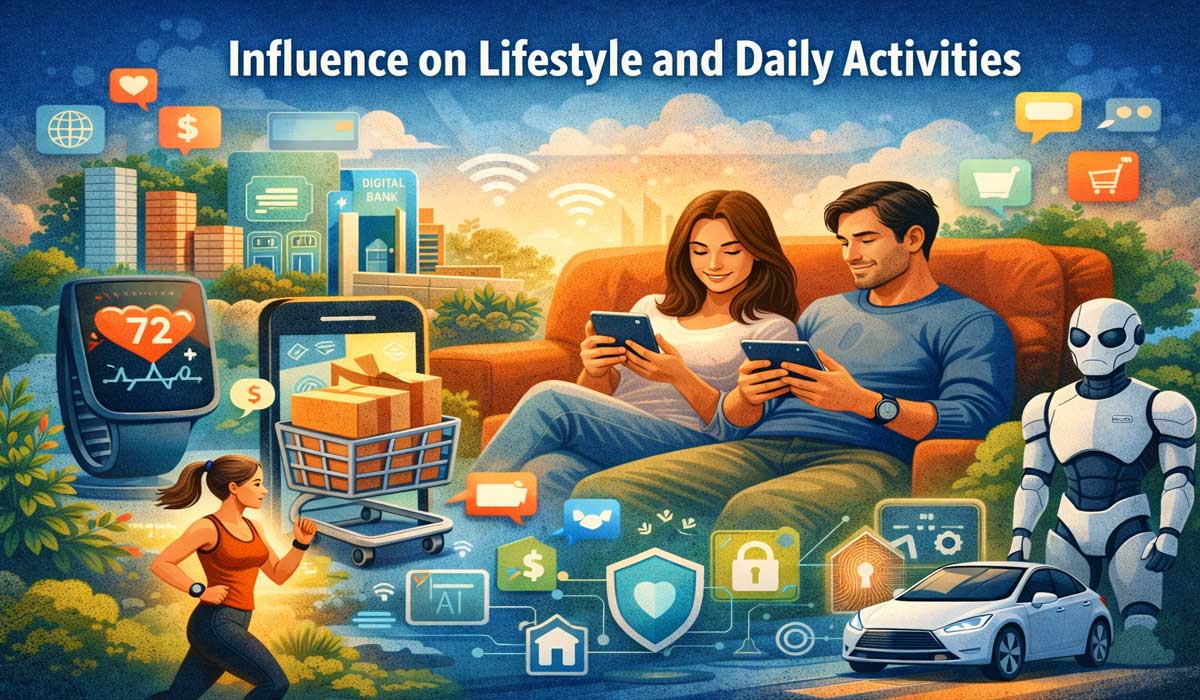
Technology has significantly influenced daily habits and lifestyle choices. From online shopping to digital banking, many activities can now be done with a few clicks. This convenience saves time and effort for individuals.
Smart devices and applications help people manage their schedules, health, and finances more efficiently. Wearable technology, for example, can track physical activity and promote healthier lifestyles. These innovations encourage better self-management.
Entertainment has also evolved with the rise of streaming services, online games, and digital content. People have access to a wide range of entertainment options anytime. This has changed how leisure time is spent.
However, excessive use of technology can lead to issues such as screen addiction and reduced physical activity. Maintaining a balanced lifestyle is essential to avoid negative effects.
The Future of Technology and Society
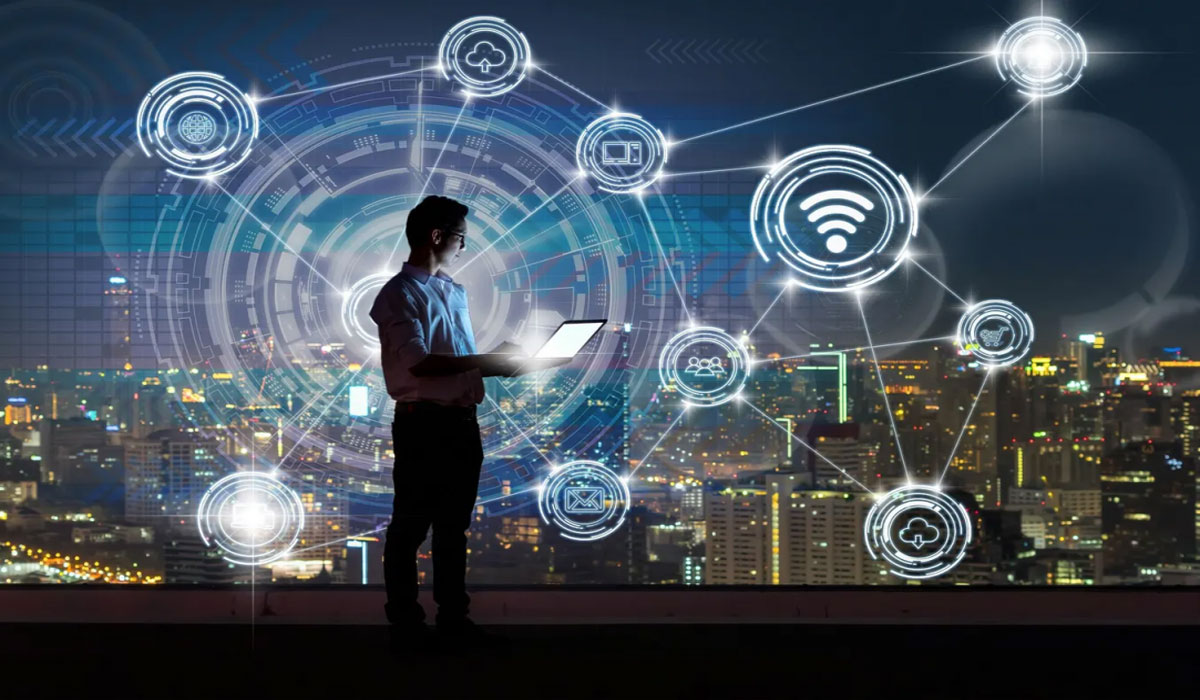
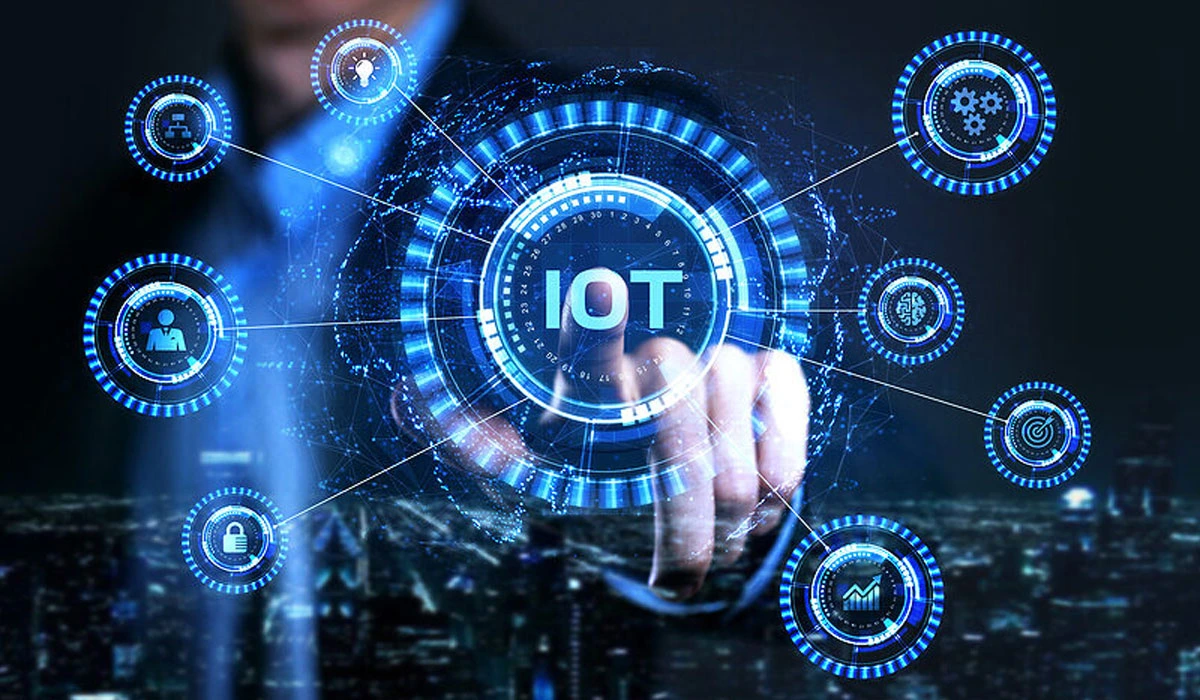
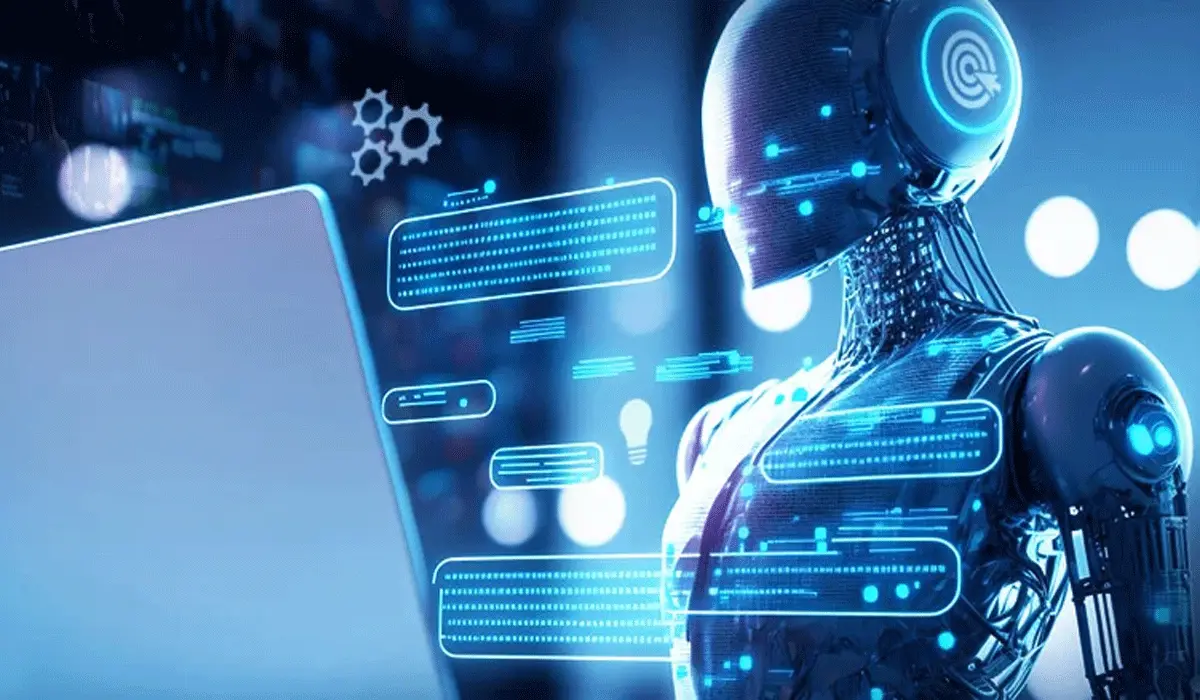
As technology continues to evolve, its impact on society will become even more significant. Emerging technologies such as artificial intelligence, virtual reality, and the Internet of Things are expected to shape the future in new ways. These innovations will further transform how people live and interact.
The integration of technology into daily life will likely increase efficiency and convenience. Smart cities, automated systems, and advanced healthcare solutions are examples of what the future may hold. These developments promise improved quality of life.
Image Information Source:
First Image: wire-media.com
Second Image: wire-media.com