Repair cracked walls with easy steps, using the right materials, and ensure safe and long-lasting results for your home.
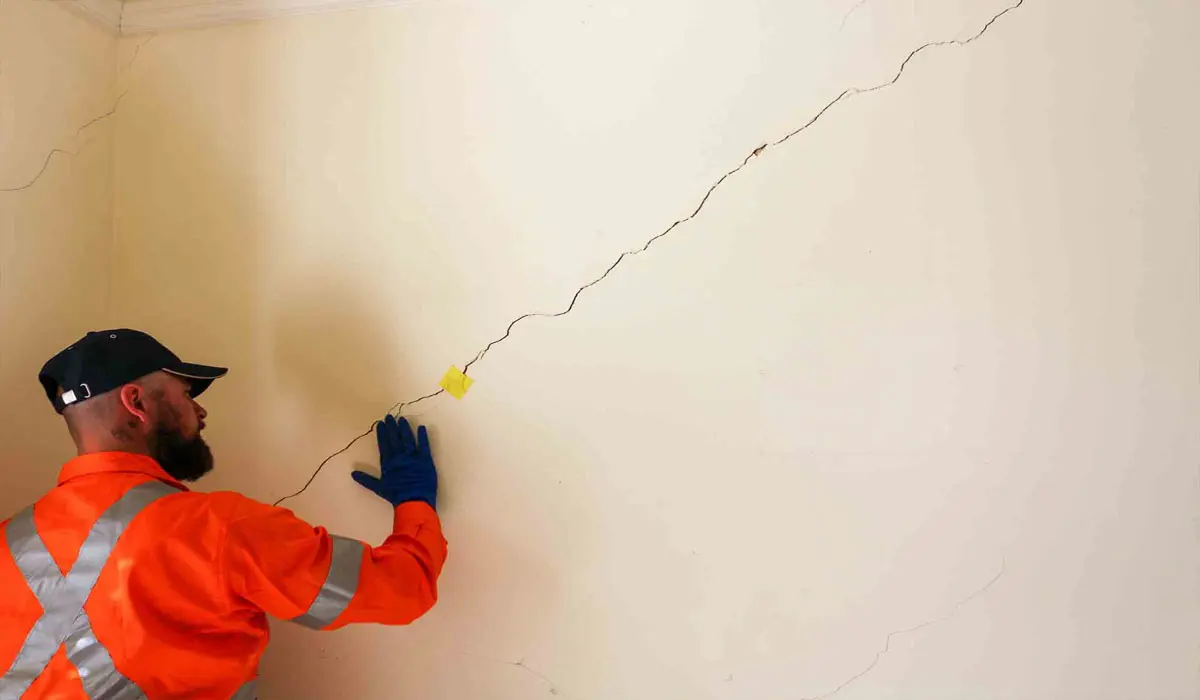
Cracked walls are a common home problem that can be caused by various factors, such as temperature changes, the quality of building materials, and shifting soil structures. If not addressed promptly, the cracks can widen and potentially compromise the overall strength of the building. Therefore It’s Time to Think About Wire media, it’s important to know how to repair cracked walls correctly, easily, and safely to ensure your home remains sturdy and comfortable to live in.
Recognizing the Types and Causes of Cracked Walls
The first step before making repairs is to understand the type of crack that has appeared. Hairline cracks are usually very thin and only occur on the surface of the plaster, while large cracks can indicate a more serious structural problem. By identifying the type of crack, we can determine the appropriate repair method.
The cause of the crack also needs to be considered. Extreme temperature changes, the use of low-quality materials, or the wall drying process too quickly can trigger cracks. Furthermore, shifting foundations or unstable soil structures are also often the main causes.
By understanding the causes and types of cracks, homeowners can avoid mistakes during repairs. This is important so that the repair is not only temporary but also provides long-lasting results.
Preparing Tools and Materials for Repairs
Before starting to repair the wall, ensure all tools and materials are available. Some necessary equipment include cement, wall filler, sandpaper, brushes, and a spatula. For larger cracks, a special cement mixture or additional adhesive may be required.
Good preparation will simplify the repair process and save time. Also, ensure the work area is clean of dust, peeling paint, or other debris so the repair material can adhere properly to the wall surface.
Furthermore, it is important to wear personal protective equipment such as a mask and gloves. This is to ensure safety during the repair process, especially when working with chemicals or cement dust.
Also Read: Transform Your Space: Essential Home Improvement Tips for 2026
Steps for Repairing a Cracked Wall
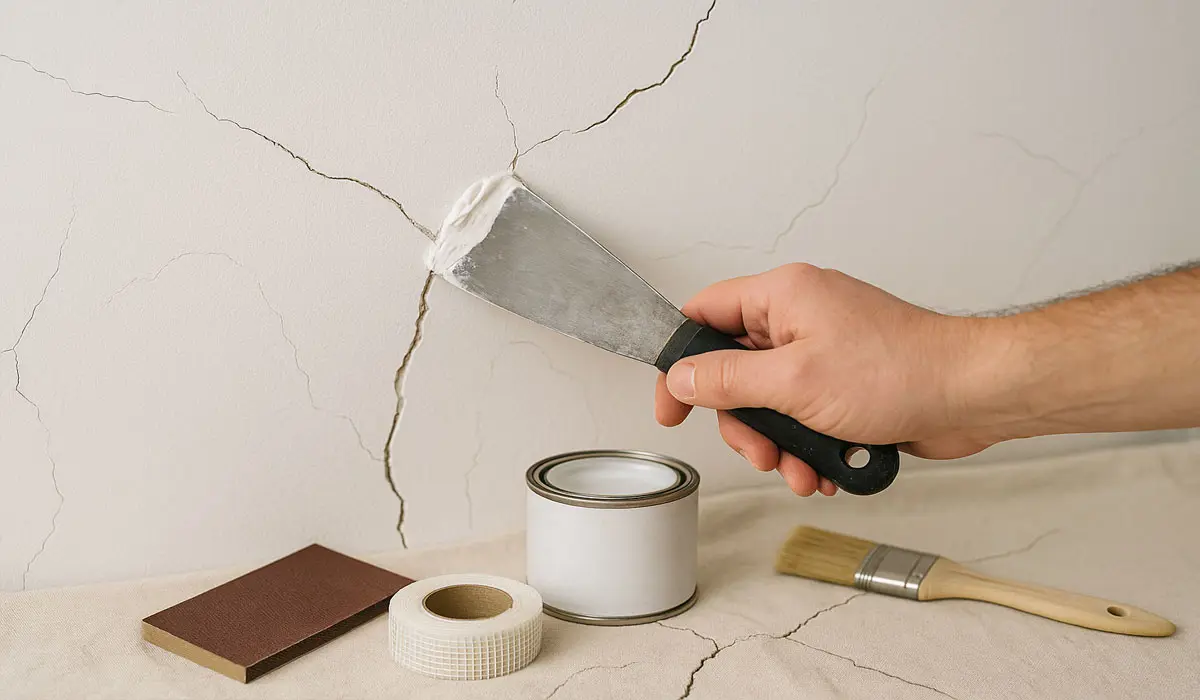
The initial step in the repair is to clean the crack with a brush or small tool to remove any remaining dust. After that, the crack can be widened slightly so the filler can penetrate deeper and adhere firmly.
Next, apply the putty or cement mixture evenly into the crack using a spatula. Ensure all gaps are filled properly, leaving no air gaps. This process is crucial to ensure long-lasting repairs.
Once the material has dried, sand the wall surface to ensure a smooth and even finish. If necessary, add a coat of paint to restore the wall’s new appearance and eliminate any visible cracks.
How to Prevent Cracks from Reoccurring
Prevention is crucial to prevent cracks from reappearing. One way to do this is by using high-quality building materials when building or renovating a house. Good materials will be more resistant to weather changes and structural pressure.
Furthermore, ensure the construction process is carried out using proper techniques, including adequate wall drying. Drying too quickly or unevenly can cause stress on the wall surface, making it prone to cracking.
Routine maintenance is also crucial. Inspect the condition of the wall regularly to detect small cracks before they become larger. With proper maintenance, the risk of serious damage to the wall can be minimized.
Routine Maintenance to Prevent Cracking
Routine home maintenance is often overlooked, yet it plays a significant role in maintaining the strength and durability of the building. A wall that looks good on the surface isn’t necessarily free from potential damage.
By conducting regular inspections, homeowners can detect early signs such as small cracks, discoloration, or abnormal moisture before they become serious problems. Thank you for taking the time to find interesting information about Repairing cracked walls in It’s Time to Think About Wire media, we will provide lots of other information.
Image Information Source:
First Image: mainmark.com
Second Image: hemlockpainting.com