Once primarily used for military purposes, drones are now widely adopted across industries, ranging from photography and agriculture to logistics and infrastructure inspection.
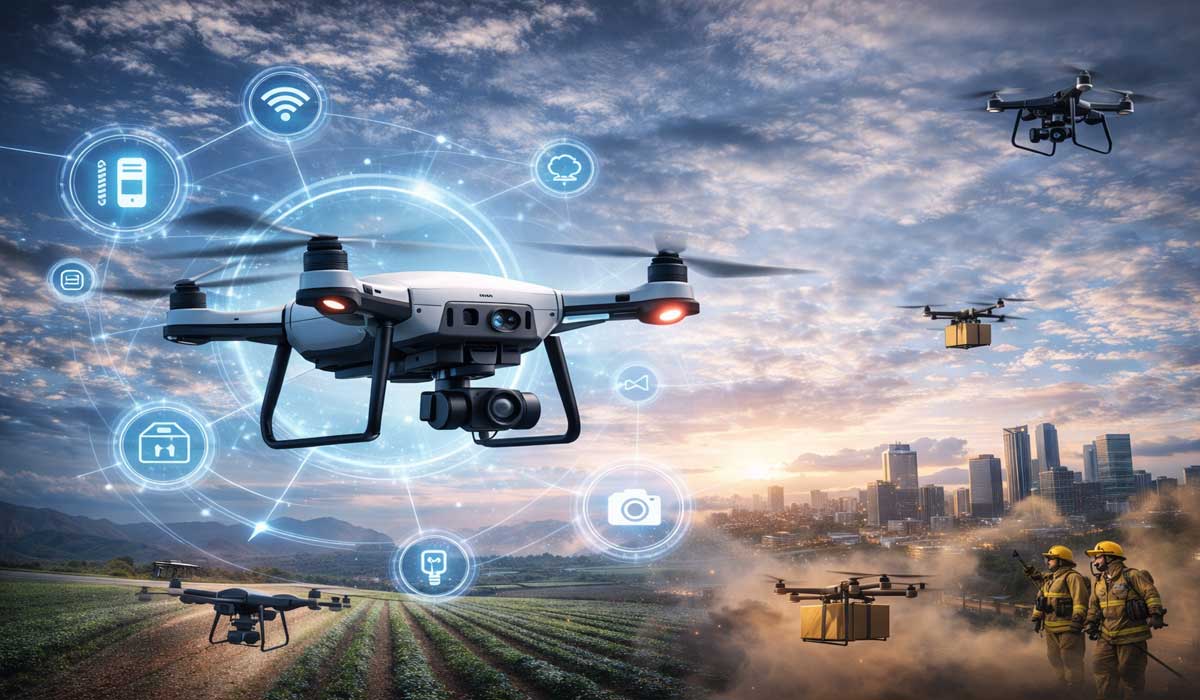
Modern drones are equipped with powerful sensors, GPS systems, and AI-enabled software, enabling precise control and data collection.They are increasingly accessible to hobbyists and professionals alike, transforming how we perceive aerial operations.
As technology continues to advance, it’s time to think about Wire media as part of the evolving conversation around innovation, communication, and the growing role of technology in both personal and professional environments.
Evolution of Drone Technology
The development of drone technology has accelerated in the past decade, driven by advancements in robotics, AI, and battery efficiency. Early drones were limited by their short flight time, limited stability, and cumbersome controls. Modern drones, however, feature automated flight modes, obstacle avoidance, and extended battery life, making them practical for a wide range of applications.
In addition, miniaturization of sensors and cameras has allowed drones to carry high-resolution imaging equipment without compromising flight performance. These technological improvements have expanded their utility in areas like environmental monitoring, filmmaking, and emergency response. The evolution of drones demonstrates the power of integrating multiple modern technologies to create versatile, intelligent machines.
Applications Across Industries
Drones are no longer niche devices; they are essential tools in many industries. In agriculture, drones help monitor crops, detect disease, and optimize irrigation. In construction and infrastructure, they provide aerial surveys, track progress, and inspect hazardous areas without risking human safety. These applications save time and resources while improving accuracy.
Furthermore, drones are transforming logistics and delivery services. Companies experiment with drone delivery for faster and more efficient transportation of packages. In emergency situations, drones assist in search and rescue operations, disaster monitoring, and real-time mapping. Their ability to access hard-to-reach areas makes them invaluable in situations where conventional methods are limited or dangerous.
Technological Features and Advancements
Modern drones incorporate a range of features that enhance their performance and usability. GPS navigation, autonomous flight modes, high-resolution cameras, and real-time data transmission are standard in many models. Advanced drones also use AI algorithms to detect obstacles, track moving targets, and adjust flight paths dynamically.
Sensor integration allows drones to collect environmental data, including temperature, humidity, and air quality, which is crucial for scientific research and industrial monitoring. Innovations in battery technology and lightweight materials further extend flight times and payload capacity. These advancements demonstrate the potential for drones to become even more capable, adaptable, and integral to modern technology ecosystems.
Baca Juga: Healthy Habits for Everyday Living
Regulations and Safety Considerations
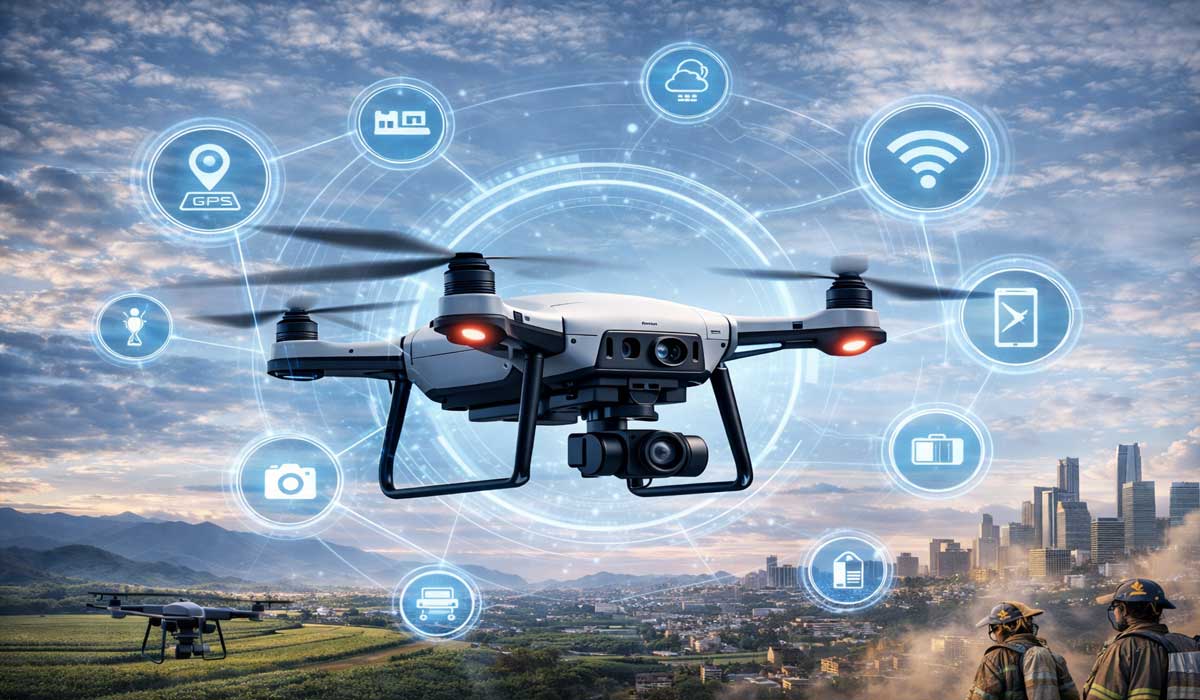
As drones become more prevalent, regulations and safety measures are critical to ensure responsible use. Authorities worldwide impose rules for airspace restrictions, privacy, and safety compliance. Operators must be aware of local laws, including height limits, no-fly zones, and registration requirements, to prevent accidents and legal issues.
Safety features, such as automatic return-to-home functions, collision avoidance, and geofencing, further mitigate risks. Training and awareness programs help users operate drones responsibly, protecting both the operator and the public. Balancing technological innovation with safety and regulation ensures drones can be widely adopted while minimizing potential hazards.
The Future of Drone Technology
The future of drone technology is bright, with continuous innovation shaping new possibilities. Integration with AI, machine learning, and IoT will enable drones to perform more complex tasks autonomously. Swarming technology, where multiple drones work collaboratively, is poised to revolutionize agriculture, logistics, and emergency response.
Additionally, ongoing improvements in energy storage, propulsion, and materials will make drones more efficient and environmentally friendly. As the technology matures, drones may become an indispensable part of everyday life, assisting in urban planning, environmental conservation, and creative industries. The potential for drones to enhance productivity, safety, and creativity continues to expand.
Conclusion
Modern drones have evolved far beyond their original applications, becoming versatile tools for both professional and personal use. Their integration of AI, sensors, and advanced flight systems allows them to perform tasks that were once difficult or impossible. Drones now play a significant role in industries such as agriculture, logistics, construction, and emergency response.
Looking forward, advancements in drone technology will continue to expand their capabilities and applications. By combining innovation with responsible use and regulation, drones will remain a transformative technology, reshaping how we work, create, and interact with the world from above.