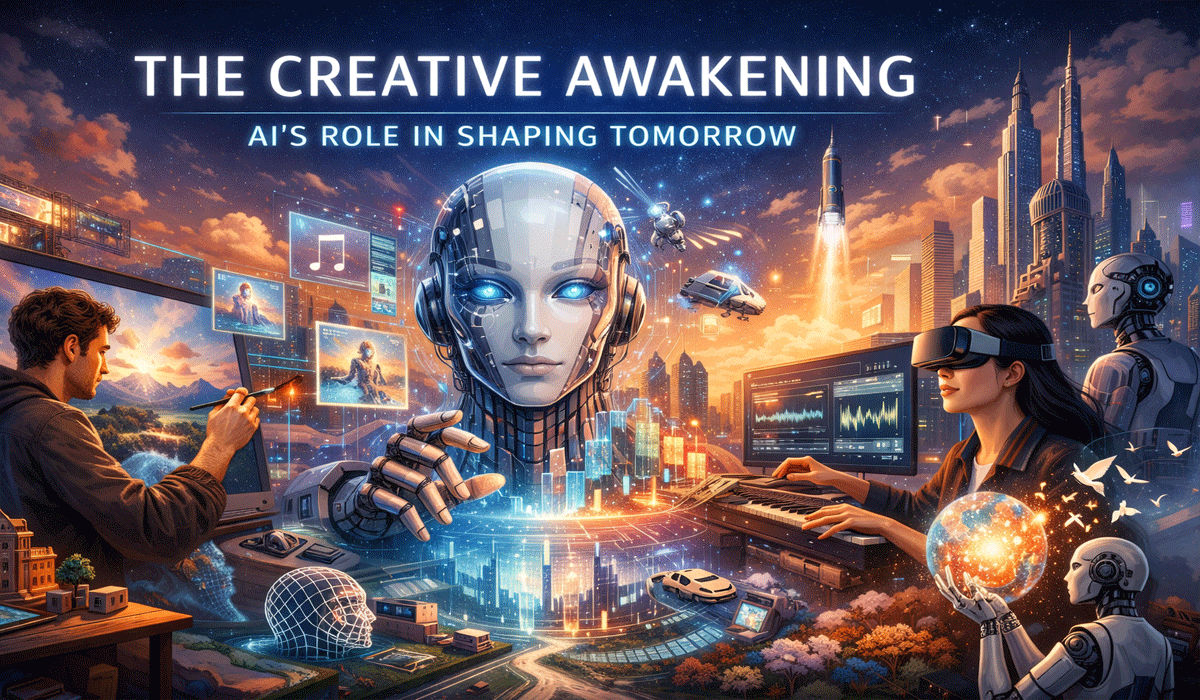
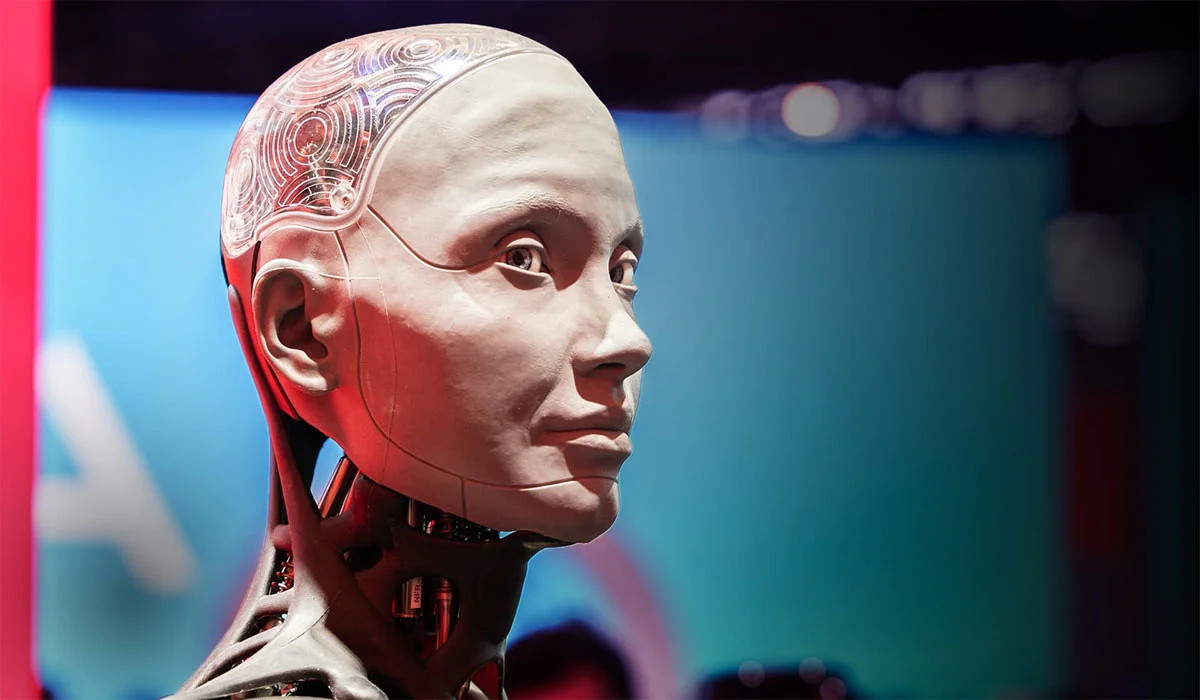
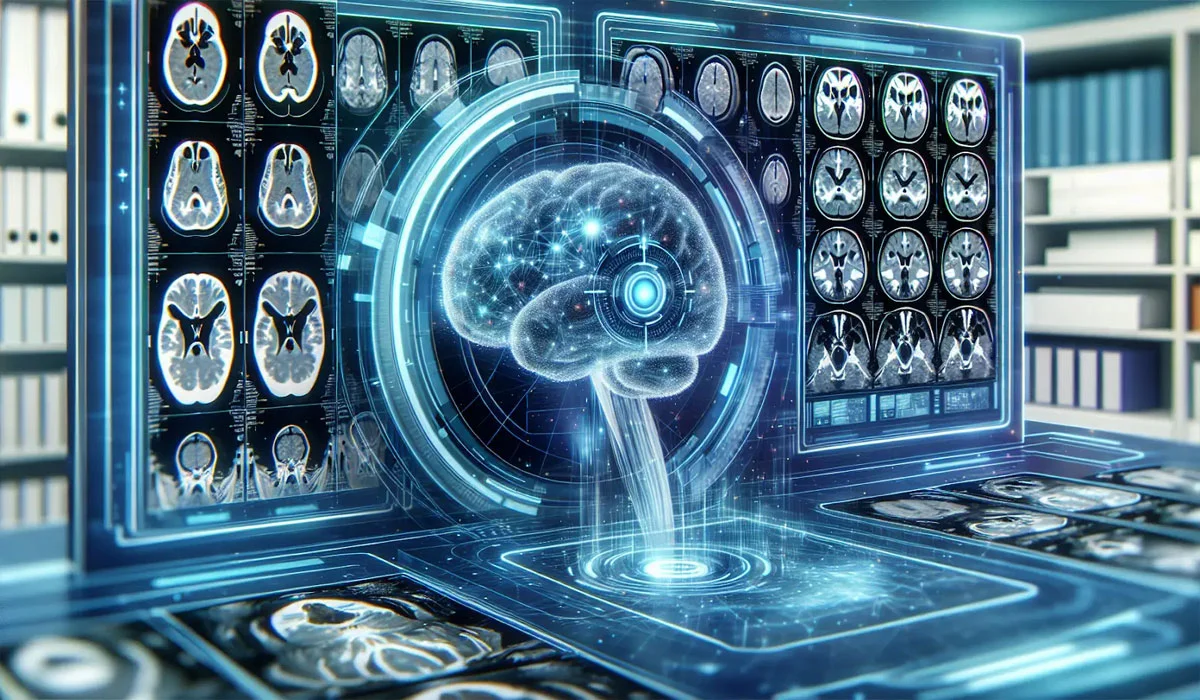
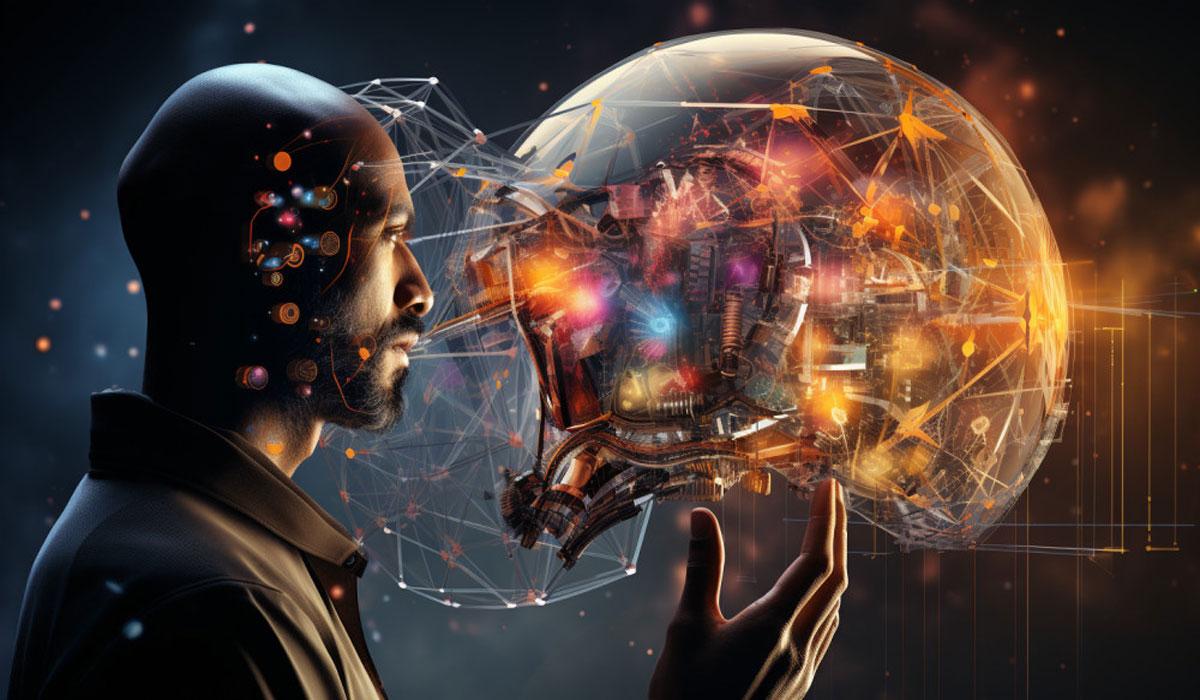
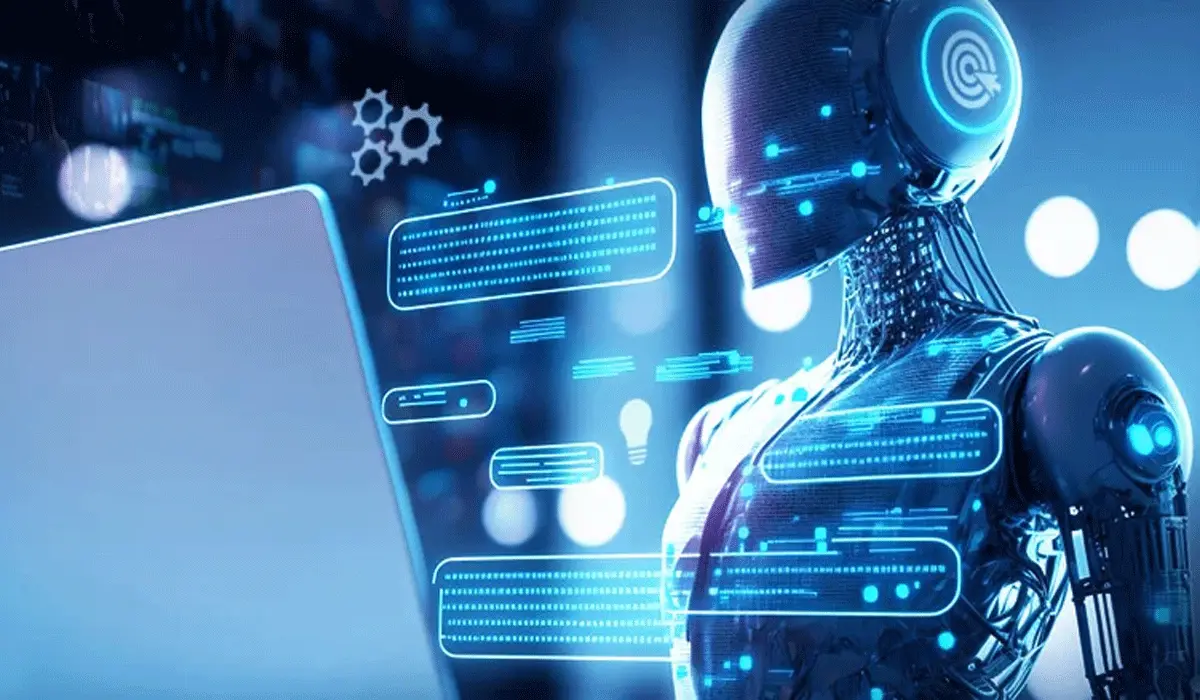
AI Revolution transforms human creativity, blending imagination and machine intelligence to push artistic boundaries beyond limits
Below, It’s Time to Think About Wire media will provide some explanations regarding Reinventing Learning Systems for an Innovation-Driven Future.
The Rise of Artificial Intelligence in Creative Fields
Artificial Intelligence (AI) has increasingly become a transformative force in creative industries. From music composition to visual arts, AI-driven tools are enabling creators to explore ideas that were previously unimaginable. Programs like generative adversarial networks (GANs) and large language models are now capable of producing original content that can rival human creativity.
The growing adoption of AI in creative fields is not just a technological shift but a cultural one. Traditional barriers to entry, such as technical skill or access to expensive tools, are being lowered, giving rise to a democratization of creativity. Independent creators, hobbyists, and professionals alike can now harness AI to develop projects with complex visual effects, intricate music compositions, or compelling narratives.
How AI Enhances Human Imagination
One of the most significant impacts of AI on creativity is its ability to augment human imagination. By analyzing vast datasets and identifying patterns, AI can suggest new directions that a human creator might not have considered. For example, writers can use AI to generate plot ideas or character arcs, while designers can explore hundreds of variations of a visual concept in minutes.
Moreover, AI tools provide a safety net for risk-taking in creative processes. Mistakes or failed experiments. Which were previously costly or time-consuming, can now be explored without fear of wasted resources. The iterative nature of AI-assisted creativity encourages continuous exploration and refinement. By bridging the gap between conceptual ideas and tangible outputs, AI does not replace human creativity; instead, it acts as an accelerant, expanding the horizons of what creators can achieve in shorter timeframes.
Read Also: The Science Behind a Balanced Diet and Its Benefits
Ethical Considerations in AI Creativity
While the possibilities of AI in creative fields are vast. Ethical challenges cannot be ignored. One pressing concern is the question of intellectual property: if a piece of music or artwork is generated by an AI, who owns the rights the programmer, the user, or the AI itself? Similarly, there are concerns about authenticity and originality, as AI systems often learn from pre-existing works, raising the risk of unintentional plagiarism or replication of styles without attribution.
Additionally, reliance on AI could shift societal perceptions of creativity and value. Works created with AI assistance might be judged differently, influencing markets, audiences, and cultural institutions. Creators and policymakers must navigate these ethical landscapes carefully, balancing innovation with accountability. Transparent practices, clear attribution, and robust copyright frameworks are essential to ensure that AI serves as a positive force rather than undermining the integrity of creative endeavors.
The Future of AI and Human Creativity
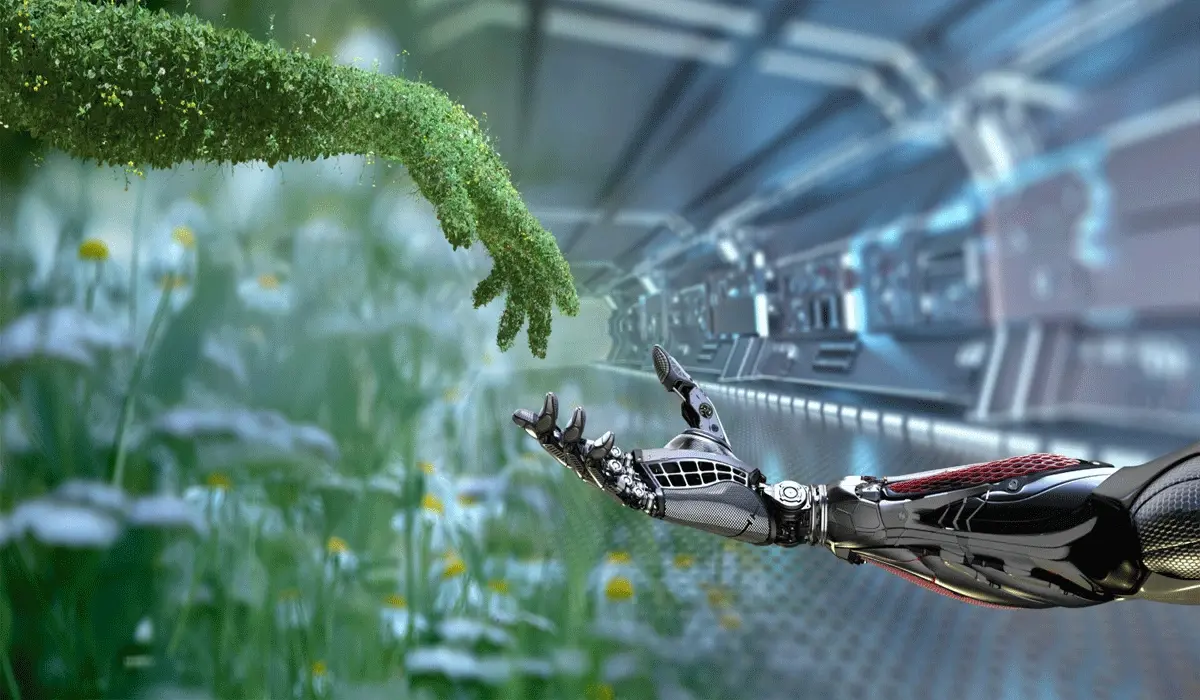
Looking ahead, the partnership between AI and human creativity is likely to deepen and evolve. As AI technologies become more sophisticated, they will not only assist but also inspire humans to reach higher levels of expression. Collaboration between humans and AI could lead to entirely new artistic genres, immersive experiences, and storytelling methods that combine emotional depth with computational ingenuity.
Ultimately, the AI revolution challenges the traditional boundaries of what it means to create. It encourages humans to rethink their role as artists, designers, and storytellers in a world where machines can produce compelling content. Rather than diminishing human creativity. AI has the potential to amplify it. Pushing society into a new era where imagination is limited only by the willingness to explore the unknown.
For the latest and most interesting related information, you can also click the TEACHING link.
Image Source:
First Image from wire-media.com
Second Image from potential.com