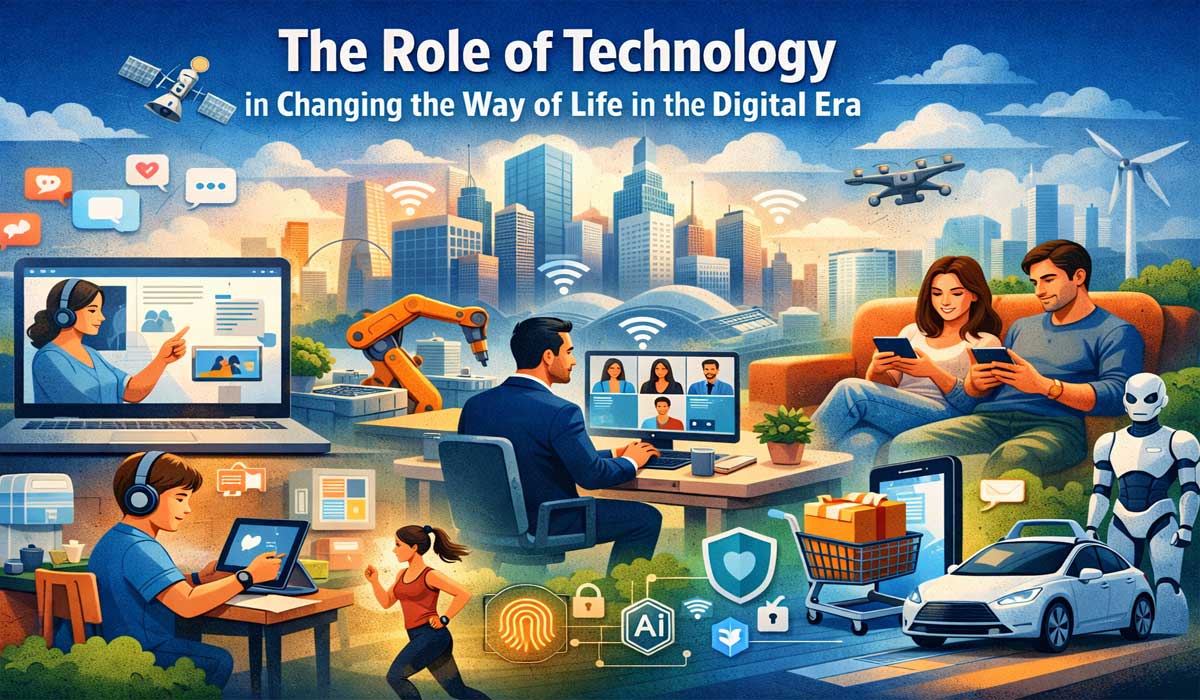
The rapid growth of digital technology has changed the way people live, work, and communicate, reshaping daily routines and creating new ways.
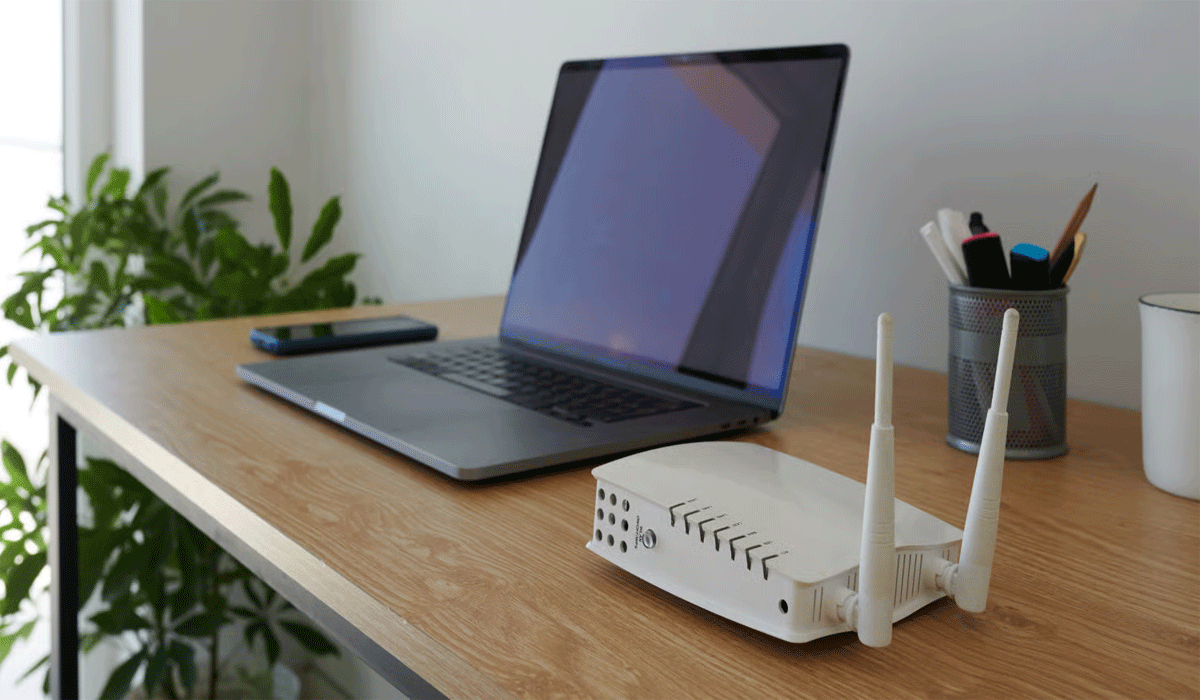
From remote work and online education to smart homes and streaming entertainment, almost every daily activity now depends on a stable internet connection. While many people focus on wireless innovation, few realize that behind every fast and reliable connection lies a powerful foundation that keeps the digital world running smoothly. Below, It’s Time to Think About Wire media, we explore how it functions as an essential foundation of modern connectivity, supporting faster communication.
The Hidden Backbone of Modern Connectivity
In today’s fast-moving digital era, reliable internet access has become a basic necessity. People work remotely, attend online classes, stream entertainment, and manage businesses entirely through connected systems. Behind every smooth online experience lies a powerful infrastructure that often goes unnoticed: cable media.
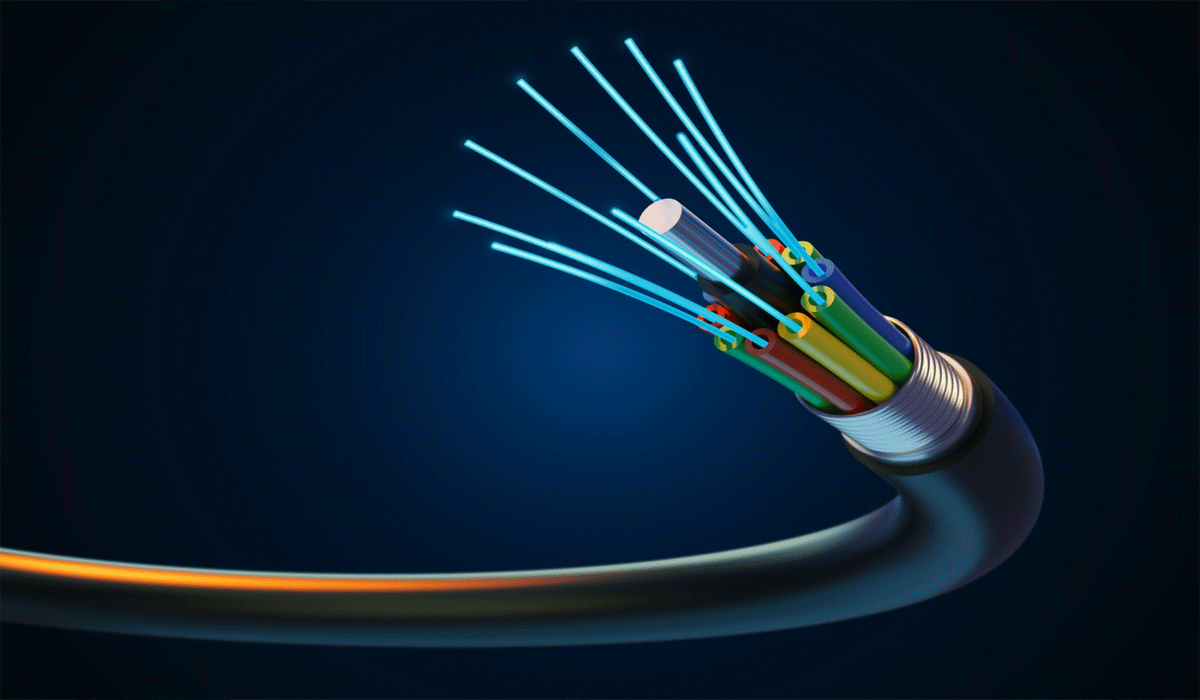
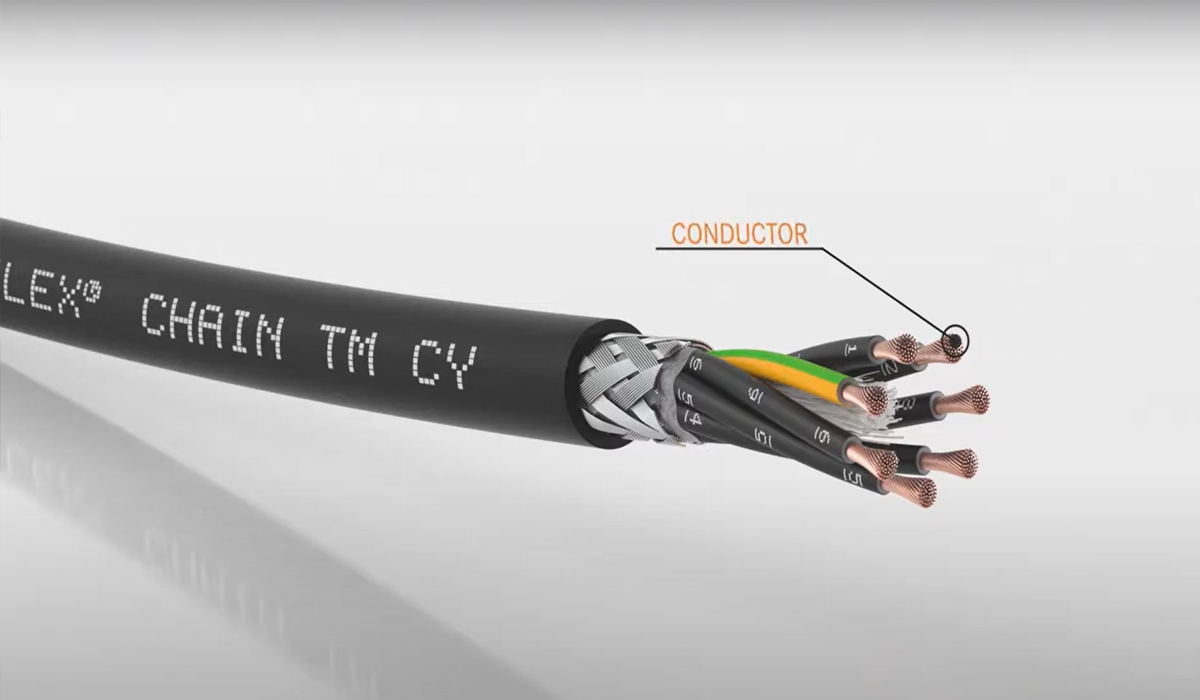
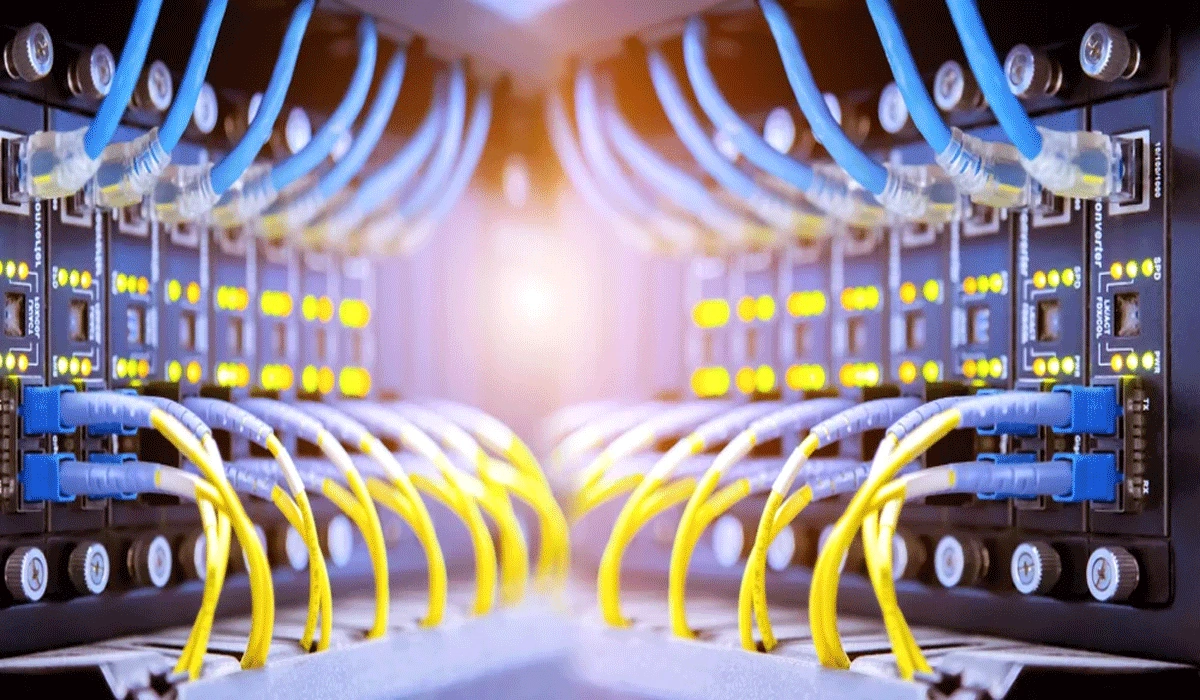
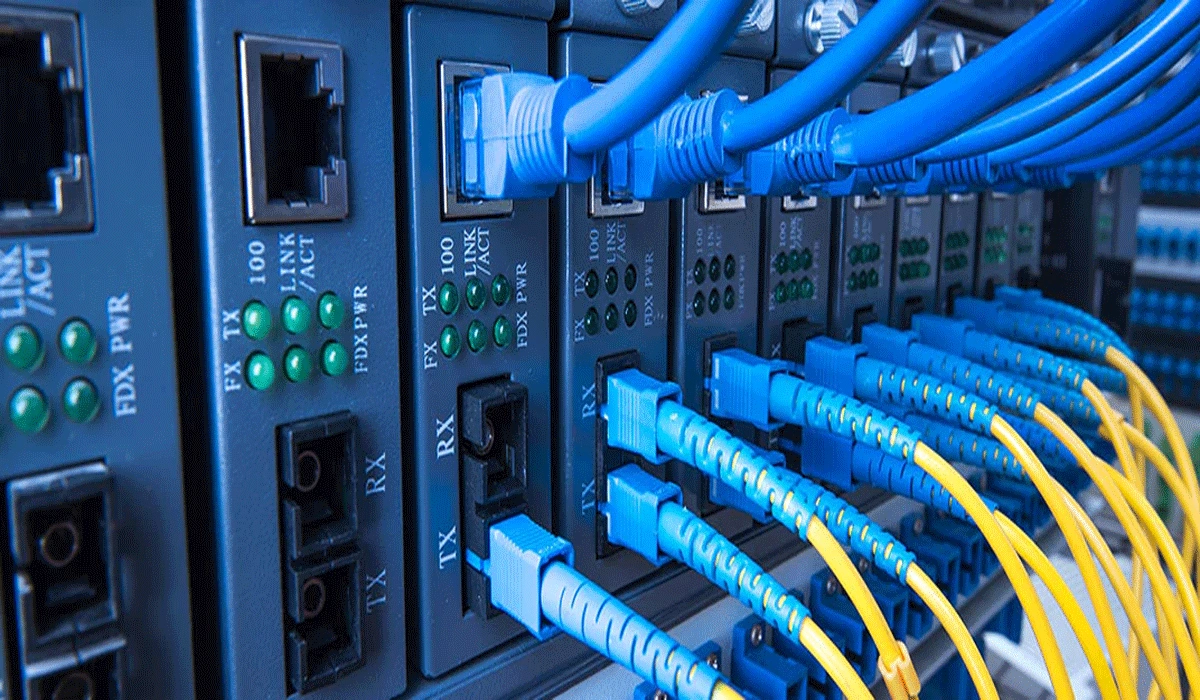
While wireless technologies continue to grow, cables remain the true backbone of global communication networks. Fiber optic, coaxial, and ethernet cables carry massive amounts of data between servers, service providers, and users every second. Without these physical connections, modern digital services would struggle to function efficiently.
Cable media provides a dependable foundation that supports almost every online activity. Even when users rely on Wi-Fi, the signal usually connects to a wired network somewhere in the system. This shows that wireless convenience still depends heavily on strong cable infrastructure.
Speed and Stability That Wireless Can’t Replace
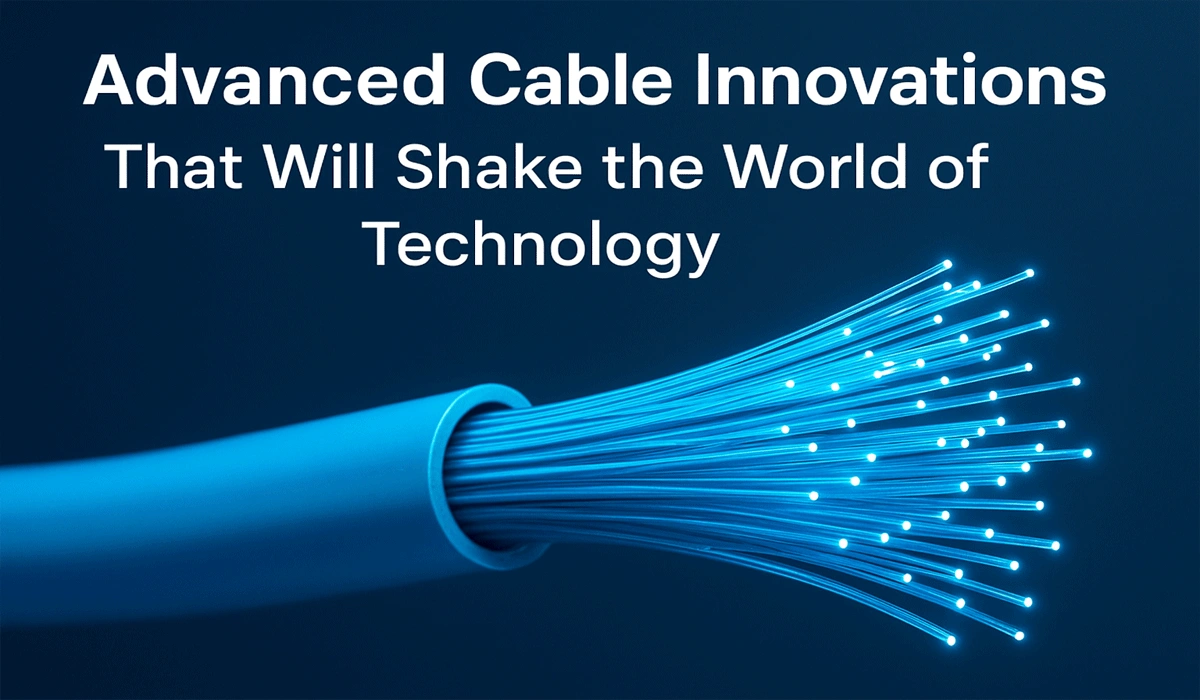
One of the biggest advantages of cable media is its ability to deliver consistent speed. Fiber optic cables, for example, transmit data using light signals, allowing extremely fast communication with minimal delay. This performance is essential for video calls, cloud services, online gaming, and high-quality streaming. Wireless networks are convenient but can suffer from interference caused by walls, distance, or multiple connected devices.
Cable connections avoid these issues by creating a direct pathway for data transmission. As a result, users experience fewer interruptions and more reliable performance. For businesses and organizations, stability is critical. Financial systems, data centers, and digital services require uninterrupted connectivity. Cable media ensures operations run smoothly, helping companies maintain productivity and customer trust.
Read Also: Save on Home Renovation Costs Without Sacrificing Quality
Supporting Digital Transformation Across Industries
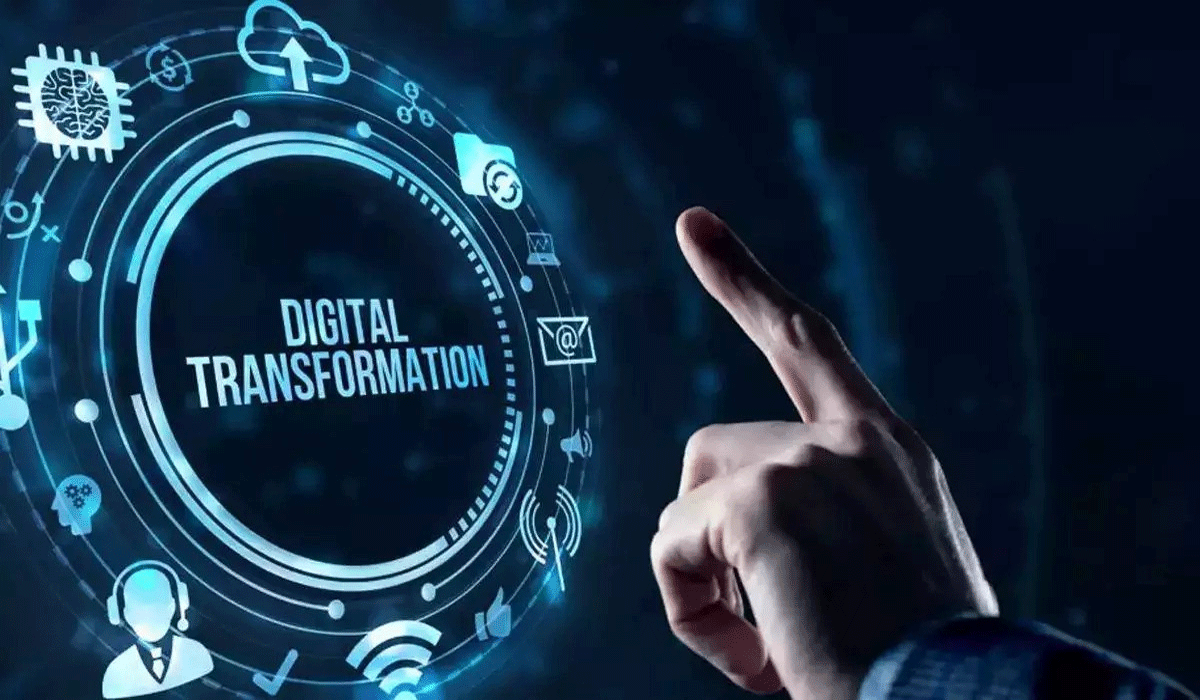
Digital transformation is reshaping industries around the world. Companies increasingly depend on cloud computing, smart devices, and automation systems that exchange information in real time. These technologies require strong and stable networks, making cable media a key component of modern innovation. In education, reliable cable networks allow schools and universities to run virtual learning platforms effectively.
Students can access materials, attend live classes, and collaborate online without technical disruptions. Similarly, healthcare institutions rely on fast connections to transfer medical records and operate digital monitoring systems. Cable infrastructure acts as a bridge connecting technology with everyday human needs. From smart offices to automated factories, wired networks enable systems to communicate quickly and accurately.
Stronger Protection for Digital Information
As digital activity grows, data security becomes increasingly important. Cable media offers a higher level of protection compared to wireless networks because physical access is required to intercept the connection. This makes unauthorized access more difficult. Organizations handling sensitive information often prefer wired networks for internal operations.
Cable systems allow administrators to control network access more precisely, reducing risks related to cyber threats or data leaks. By combining physical security with advanced cybersecurity measures, cable networks create a safer environment for communication and data storage. This reliability is one reason why major enterprises continue investing in wired infrastructure.
The Future of Cable Media in Smart Technology
Even with the rise of technologies like 5G and advanced wireless communication, cable media remains essential. Wireless networks still rely on fiber optic backbones to connect cell towers, servers, and data centers. In other words, faster wireless technology actually increases demand for stronger cable systems. Future innovations such as smart cities, autonomous vehicles, and intelligent homes will require constant data exchange at high speeds.
Cable infrastructure will support these developments by delivering stable and scalable connectivity. Rather than becoming obsolete, cable media continues evolving alongside new technologies. It stands as the silent engine powering digital progress, ensuring the world stays connected today and prepared for tomorrow’s technological advancements.
To better understand modern connectivity and digital infrastructure, explore insights from reliable technology experts and network innovation sources that highlight the importance of strong and future-ready cable media systems.
Image Source:
- First Image from www.economyinsights.com
- Second Image from www.linkedin.com