In today’s digital-first world, businesses often focus on wireless solutions, cloud technologies, wire media and remote connectivity.
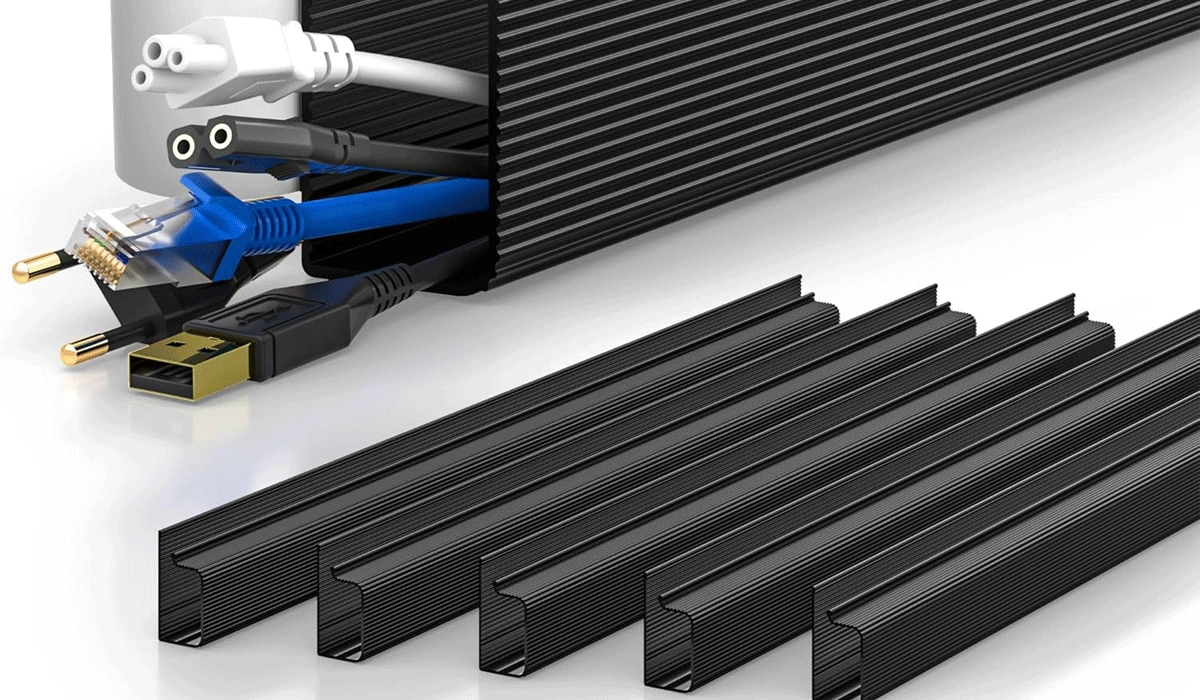
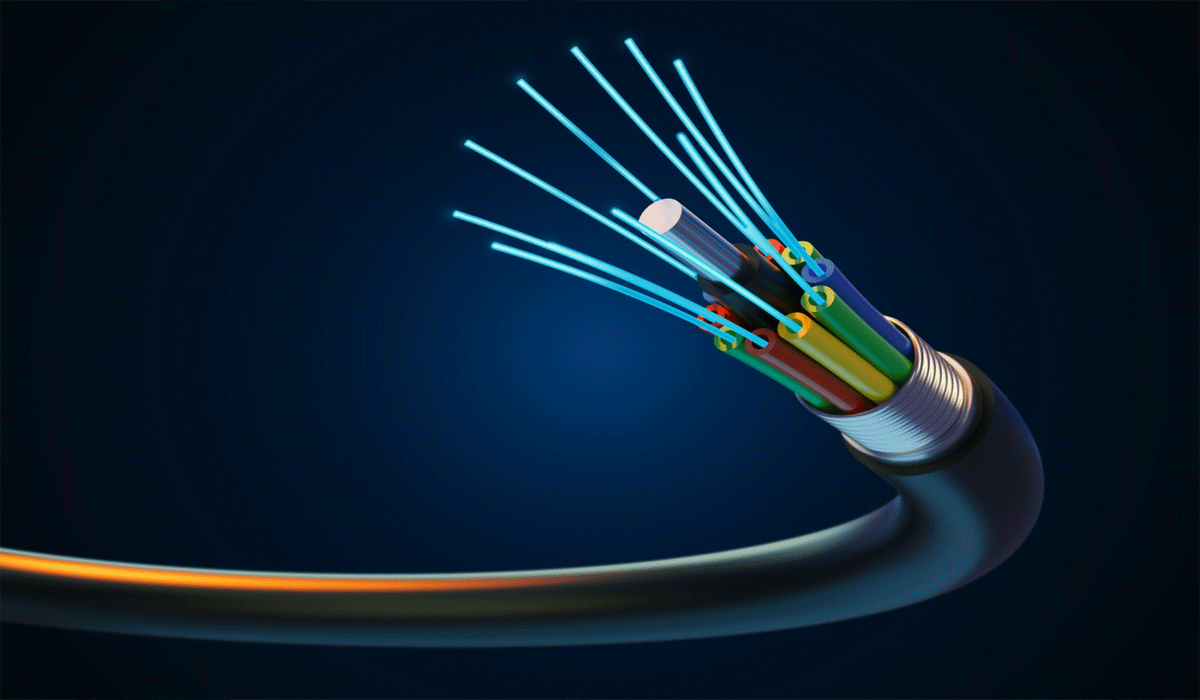
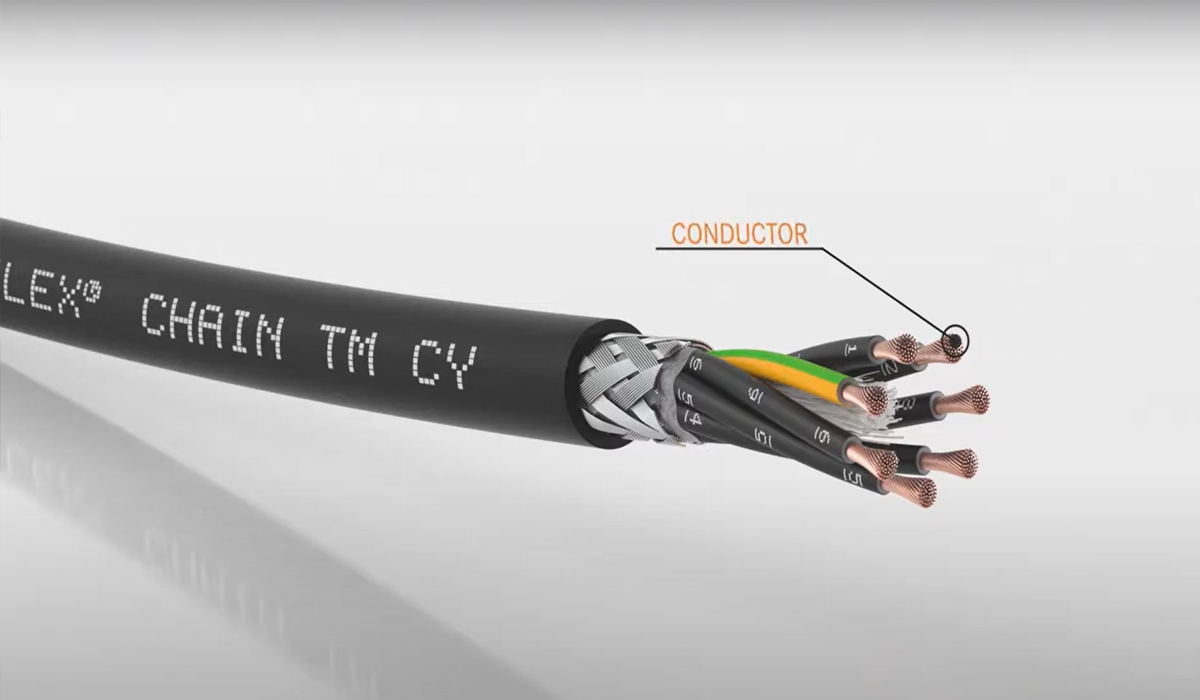
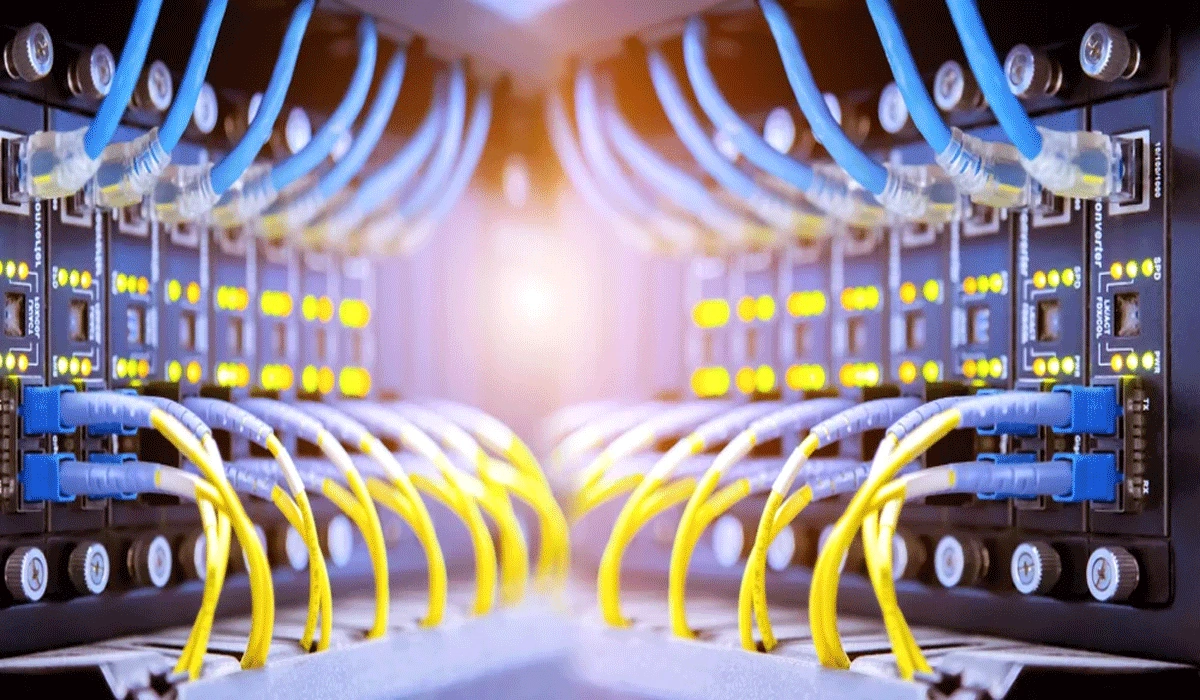
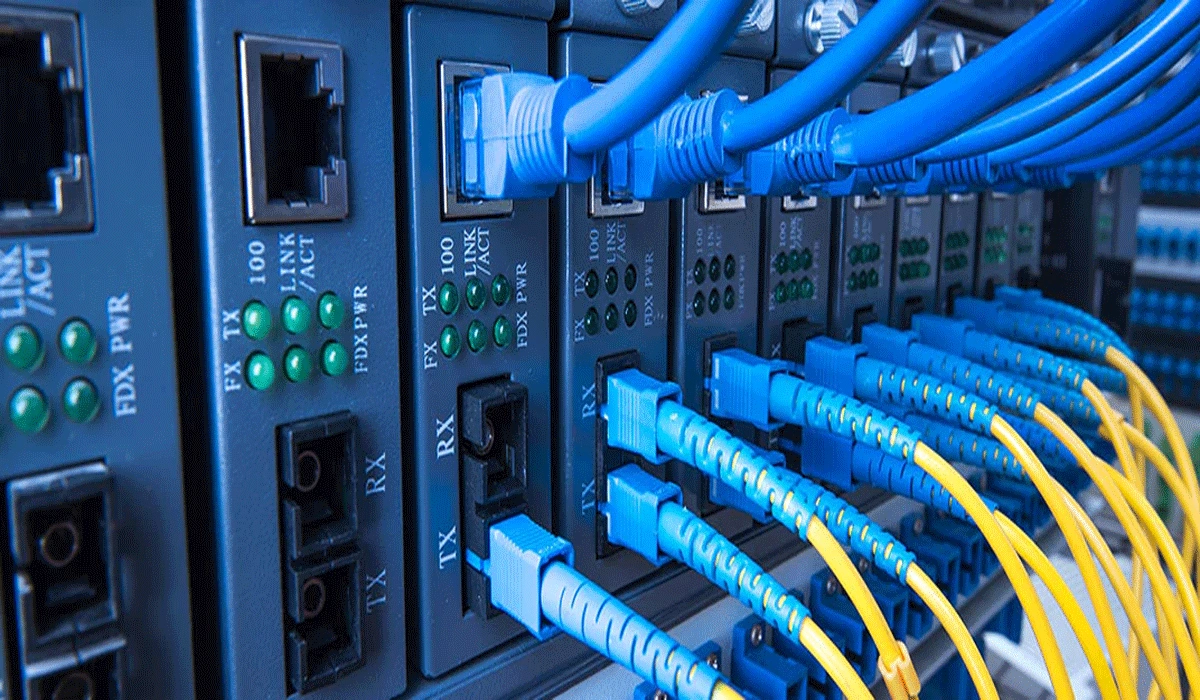
However, ignoring the benefits of wire media, such as fiber optic cables, Ethernet networks, and coaxial systems, could seriously impact your organization’s performance, security, and bottom line. Understanding why wired infrastructure remains critical can help businesses stay competitive and resilient. In this guide, It’s Time to Think About Wire media will talk about it.
The Reliability Advantage of Wire Media
One of the most significant benefits of wire media is reliability. Unlike wireless networks, which can be disrupted by interference, physical obstructions, or environmental conditions, wired connections offer stable and consistent performance. For businesses that rely on high-speed data transfer, cloud computing, or VoIP communications, even minor interruptions can lead to lost productivity and revenue.
Investing in wired infrastructure ensures that your internal networks and critical operations remain uninterrupted. For example, financial institutions, healthcare providers, and e-commerce platforms depend heavily on consistent connectivity, making wired networks essential for mission-critical tasks.
Enhanced Security with Wired Connections
Security is another crucial reason not to overlook wire media. Wireless networks are more vulnerable to hacking, unauthorized access, and data breaches due to the nature of radio frequency transmissions. In contrast, wired networks provide direct physical control over data flow, making it far more difficult for cybercriminals to intercept information.
For businesses that handle sensitive customer information, confidential data, or intellectual property, maintaining a wired backbone can significantly reduce the risk of cyber threats. A secure wired network complements other cybersecurity measures, creating a robust defense system for your organization.
Speed and Performance Benefits
Wire media offers high-speed data transmission and low latency, which are essential for modern business operations. Fiber optics, for example, can support gigabit speeds, enabling rapid file transfers, seamless video conferencing, and efficient cloud integration.
While wireless solutions continue to improve, they often cannot match the consistent performance and bandwidth capacity of wired systems. Businesses that require real-time processing, large-scale data analysis, or heavy multimedia usage will find that wired infrastructure provides a noticeable advantage in operational efficiency.
Also Read: Artificial Intelligence: Shaping the Future of Human Innovation
Cost Efficiency Over the Long Term
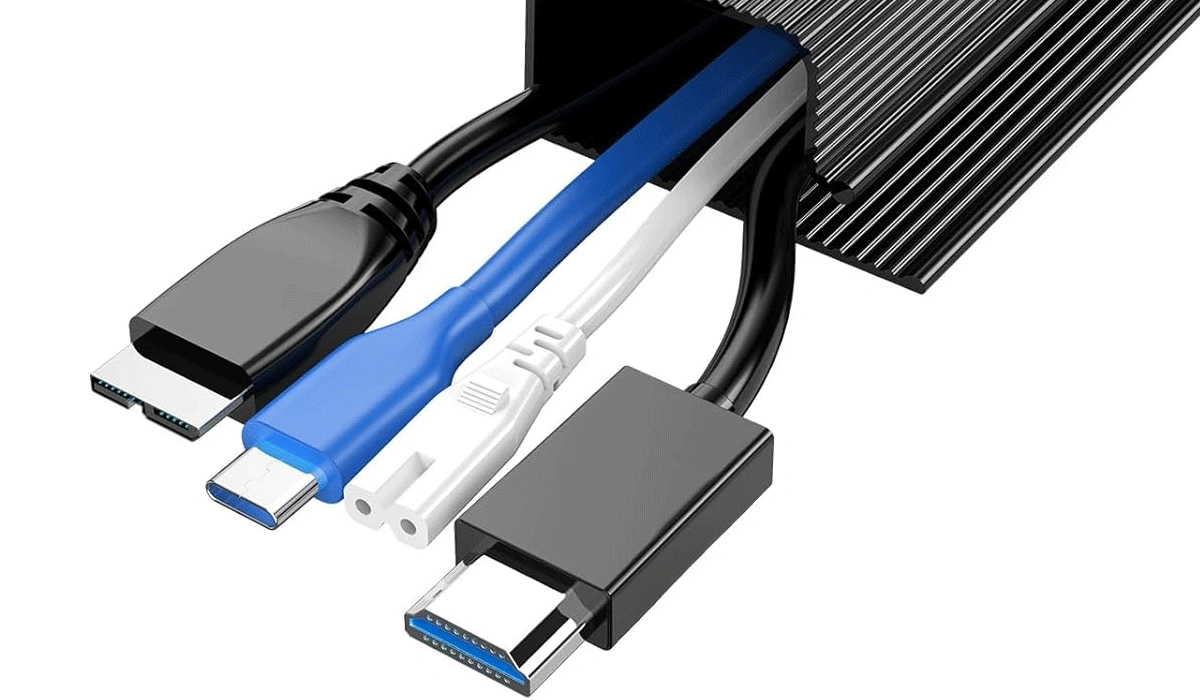
Although installing wired networks may involve higher upfront costs compared to some wireless solutions, the long-term savings can be significant. Wired networks tend to require less maintenance, experience fewer outages, and reduce productivity losses due to connectivity issues.
Moreover, investing in reliable wire media now can prevent expensive future upgrades or emergency fixes. For businesses seeking sustainable IT strategies, a hybrid approach combining wired backbones with wireless access often provides the best balance between cost, performance, and flexibility.
Conclusion
Ignoring wire media in favor of wireless-only solutions can expose your business to unnecessary risks, downtime, and security vulnerabilities. By embracing wired infrastructure, companies gain reliability, speed, security, and long-term cost efficiency. In a competitive business environment, making informed decisions about network infrastructure is not just a technical choice it’s a strategic one.
Visit our website in It’s Time to Think About Wire media for more information.
Image Source
- First Image: ubuy.com
- Second Image: ubuy.com