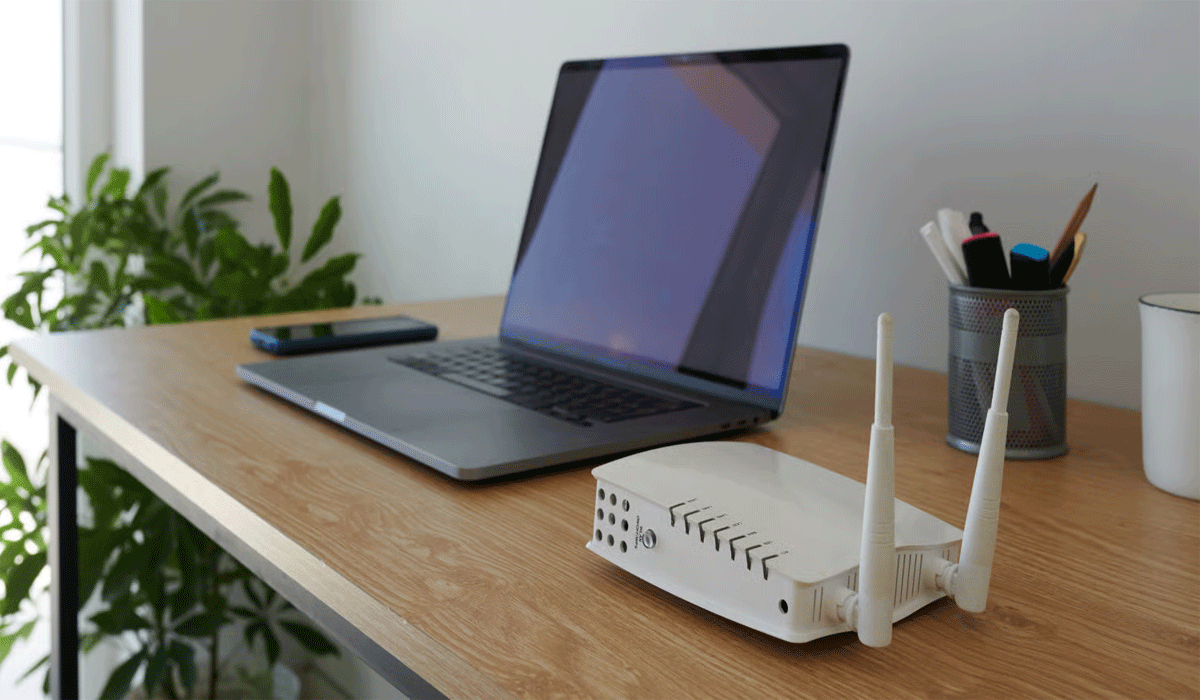
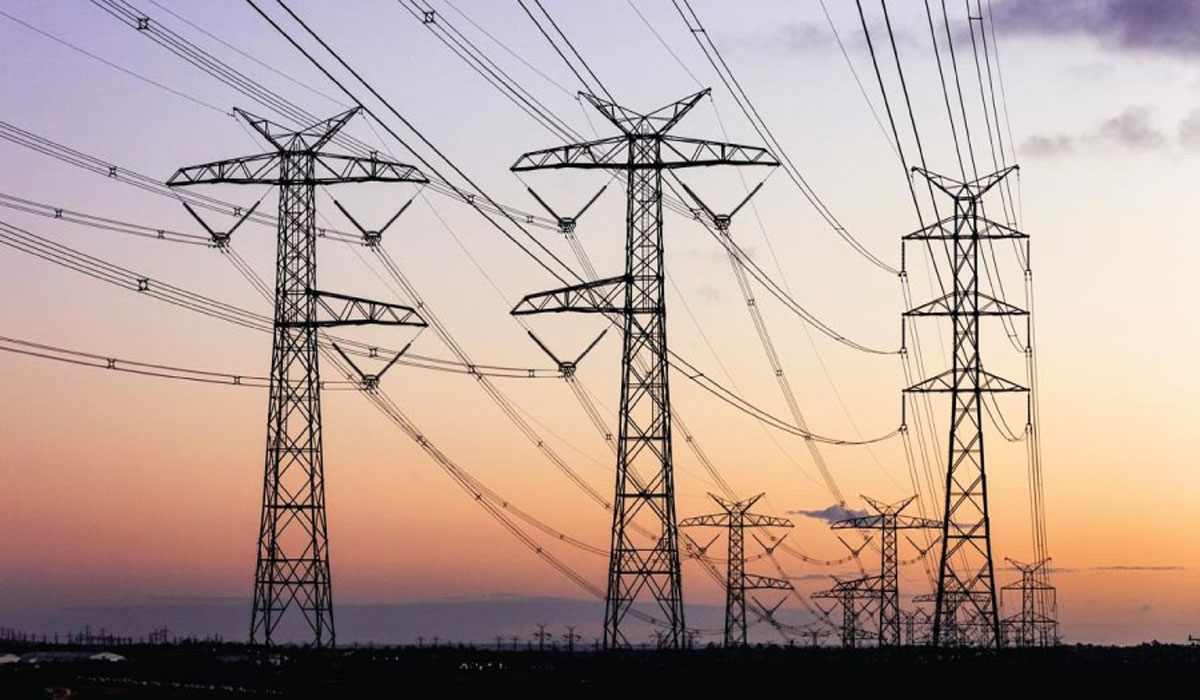
In an era dominated by Wire Media, it’s easy to overlook the critical role that wire media including fiber optics.
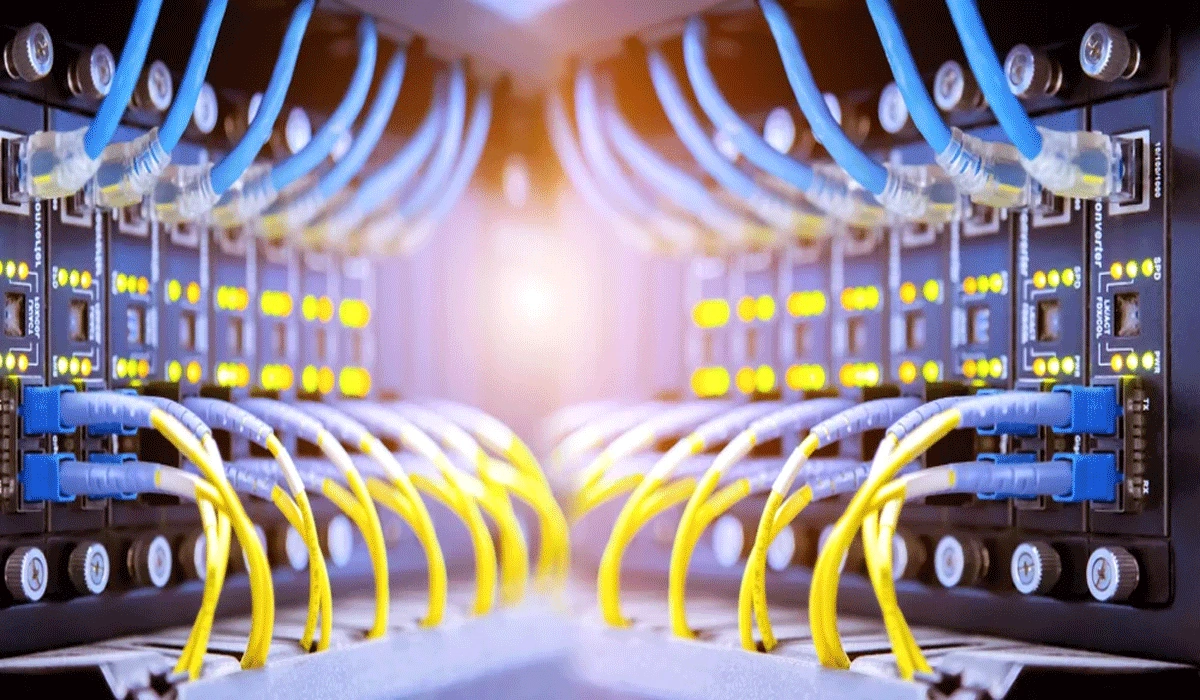
Despite the growth of Wi-Fi and 5G, wired connections remain the backbone of reliable communication systems. They ensure consistent speed, security, and network stability, which are vital for both businesses and individuals who depend on digital infrastructure. As data consumption skyrockets and networks become more complex, It’s Time to Think About Wire media will tell you why wire media still matters and how it enhances the reliability of modern digital networks.
The Advantages of Wire Media over Wireless Networks
While wireless networks provide convenience and mobility, they often face limitations such as signal interference, bandwidth constraints, and security vulnerabilities. Wire media, in contrast, offers several advantages that make it indispensable for critical applications.
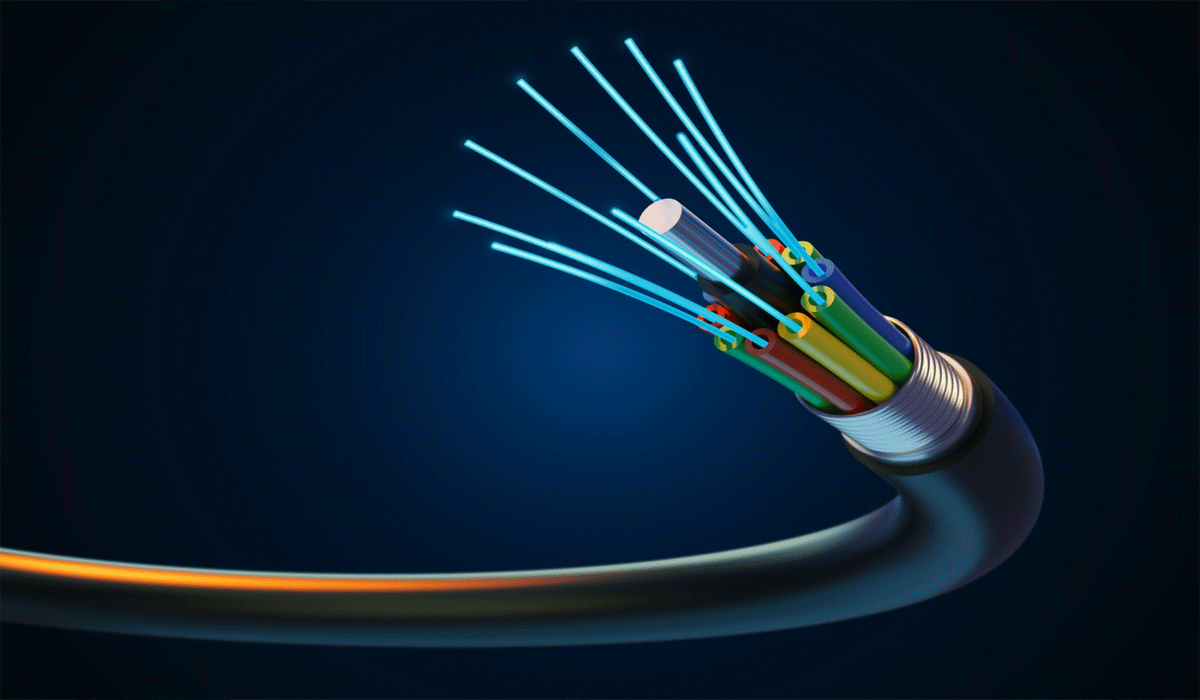
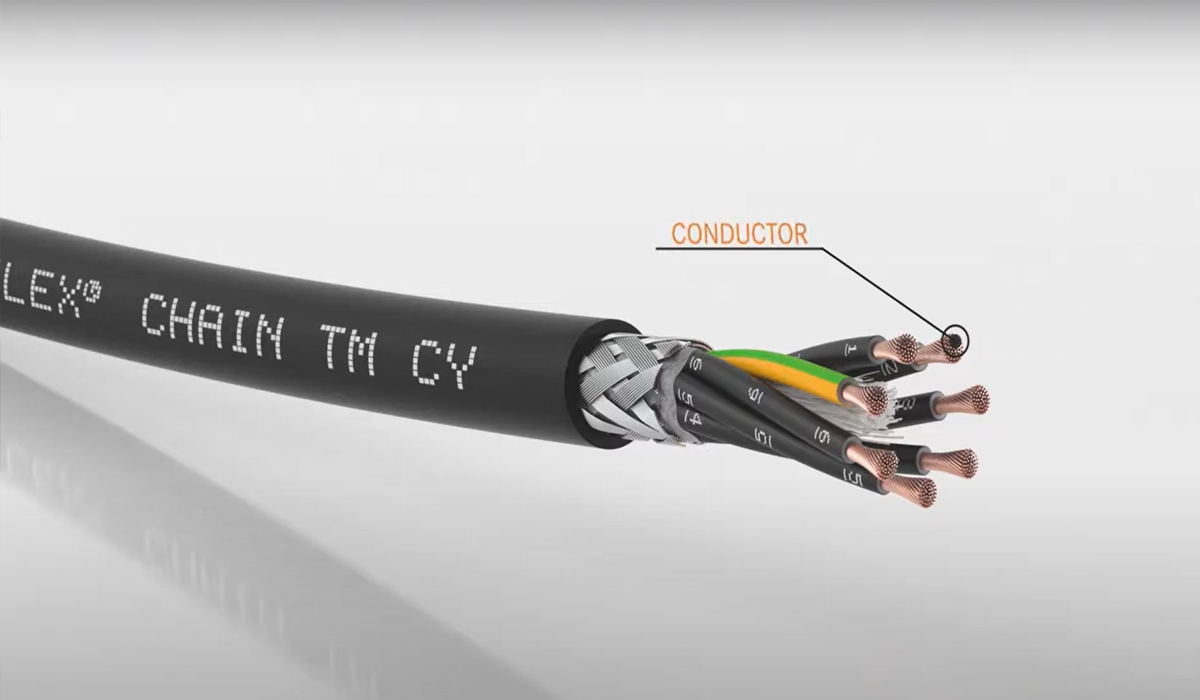
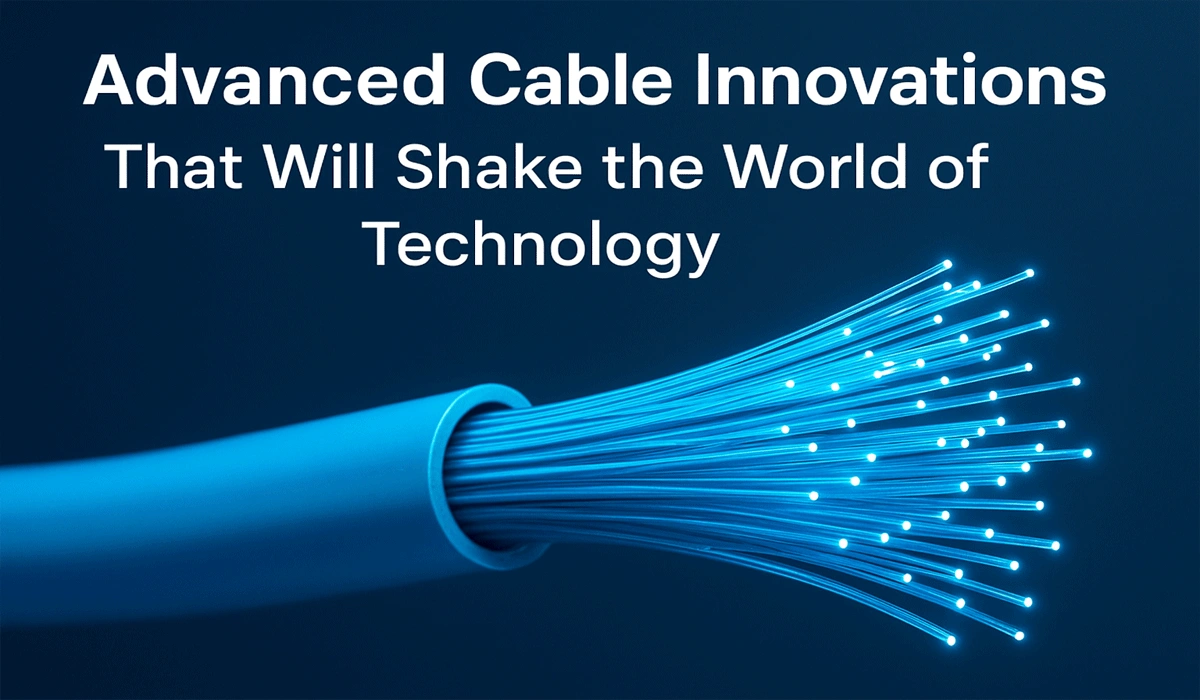
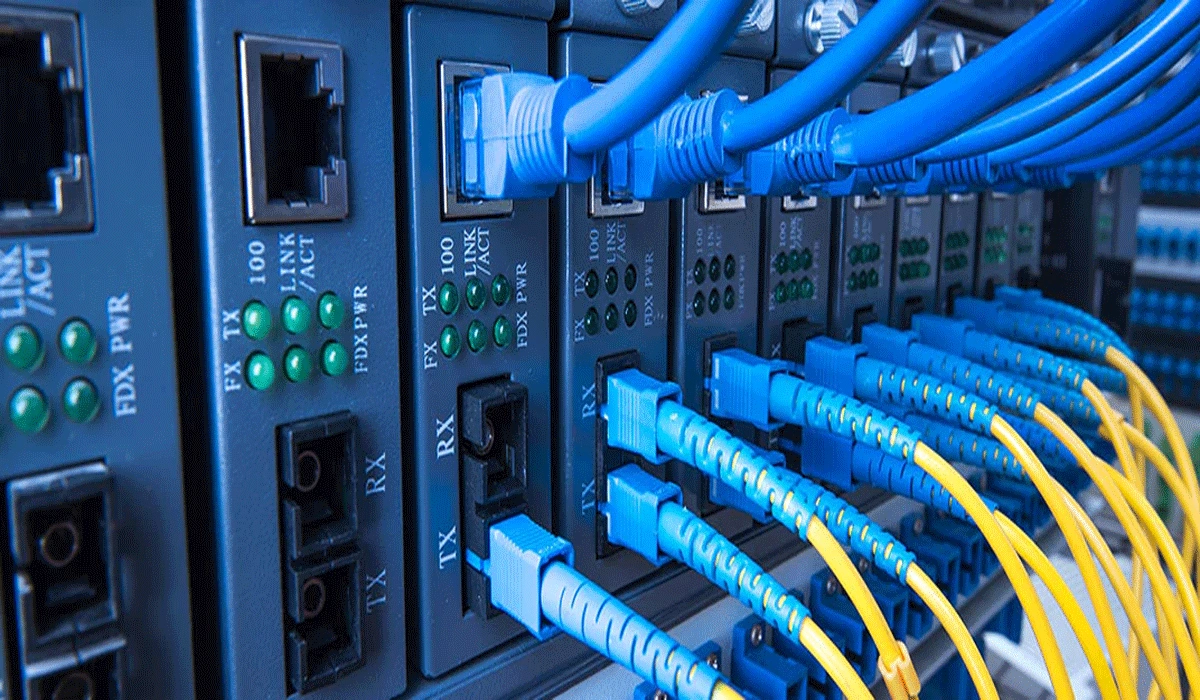
Fiber optic cables, for instance, support ultra-high-speed data transfer with minimal latency and virtually no signal loss over long distances. Copper-based twisted-pair cables are cost-effective, durable, and ideal for local area networks (LANs), while coaxial cables continue to support cable internet and television services with strong reliability.
For businesses that require mission-critical connections, such as data centers or financial institutions, wired networks provide the consistency and performance that wireless solutions alone cannot guarantee.
Enhancing Network Reliability and Stability
One of the key benefits of wire media is its ability to enhance network reliability. Physical connections are less susceptible to environmental interference like radio frequency noise, walls, or crowded frequency bands, which often affect wireless signals.
Wired networks also allow for predictable bandwidth allocation, ensuring that all devices receive consistent speeds even during peak usage. In industries like healthcare, manufacturing, and IT infrastructure, this stability is essential. Imagine a hospital relying solely on Wi-Fi for critical medical data transfers the risk of dropped connections could have serious consequences. Wire media mitigates these risks, providing a stable foundation for digital operations.
Security Benefits of Wired Connections
Another often overlooked advantage of wire media is network security. Wired connections are inherently harder to intercept compared to wireless signals, which can be hacked or eavesdropped on more easily. Businesses that prioritize data protection, such as banks, government agencies, and tech companies, continue to rely on physical cabling to safeguard sensitive information.
Additionally, wire media can be integrated with encryption and monitoring systems, creating a layered security strategy. Combining wired and wireless networks can also optimize performance while ensuring that sensitive data remains on the more secure wired pathways.
Also Read: Artificial Intelligence: Shaping the Future of Human Innovation
The Future of Wire Media in Modern Networks
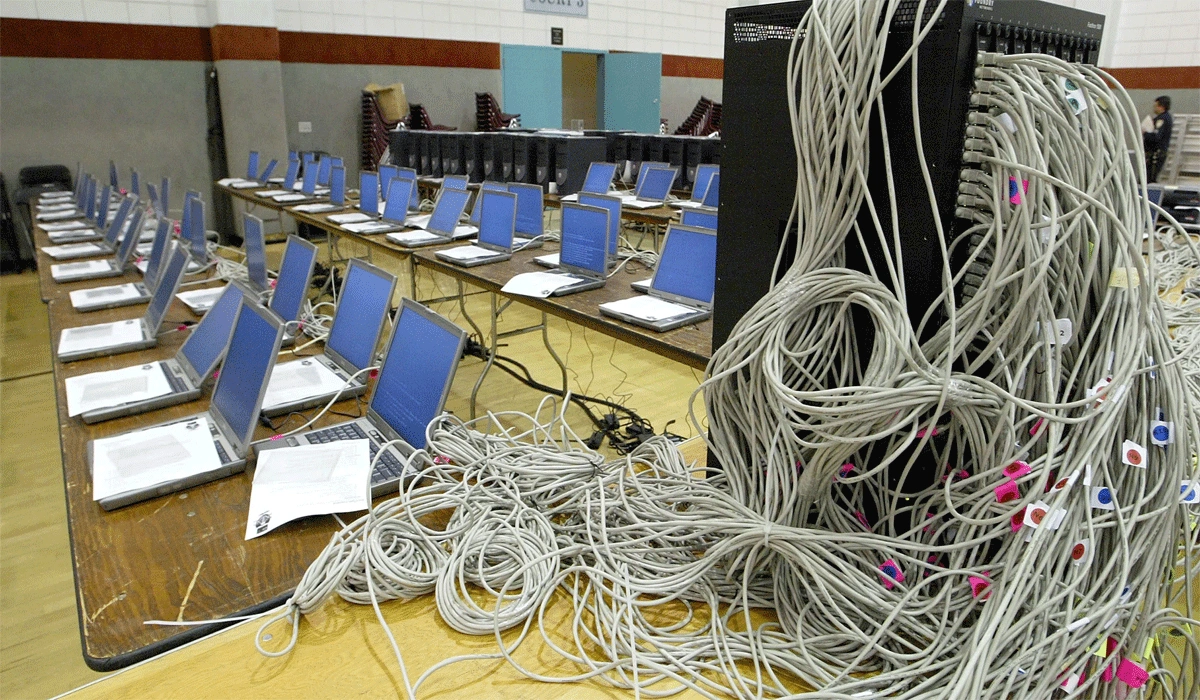
Despite the rapid expansion of wireless technology will continue to play a critical role in next-generation networks. Fiber optics, in particular, is essential for supporting 5G backhaul, cloud computing, and high-speed internet across urban and rural areas. Hybrid networks, combining both wired and wireless components, are becoming the standard for maximizing performance and reliability.
Emerging technologies, such as Power over Ethernet (PoE) and intelligent cabling systems, allow for greater flexibility, reduced infrastructure costs, and simplified network management. This makes it not just relevant but indispensable in building resilient and future-proof digital networks.
Conclusion
Wire media remains the backbone of reliable digital networks, offering speed, stability, security, and scalability that wireless networks alone cannot match. From fiber optics to copper cabling, physical connections provide the foundation for modern communication systems, supporting everything from everyday internet usage to mission-critical industrial applications.
Image Source
- First Image: turn-keytechnologies.com
- Secod Image: vox.com