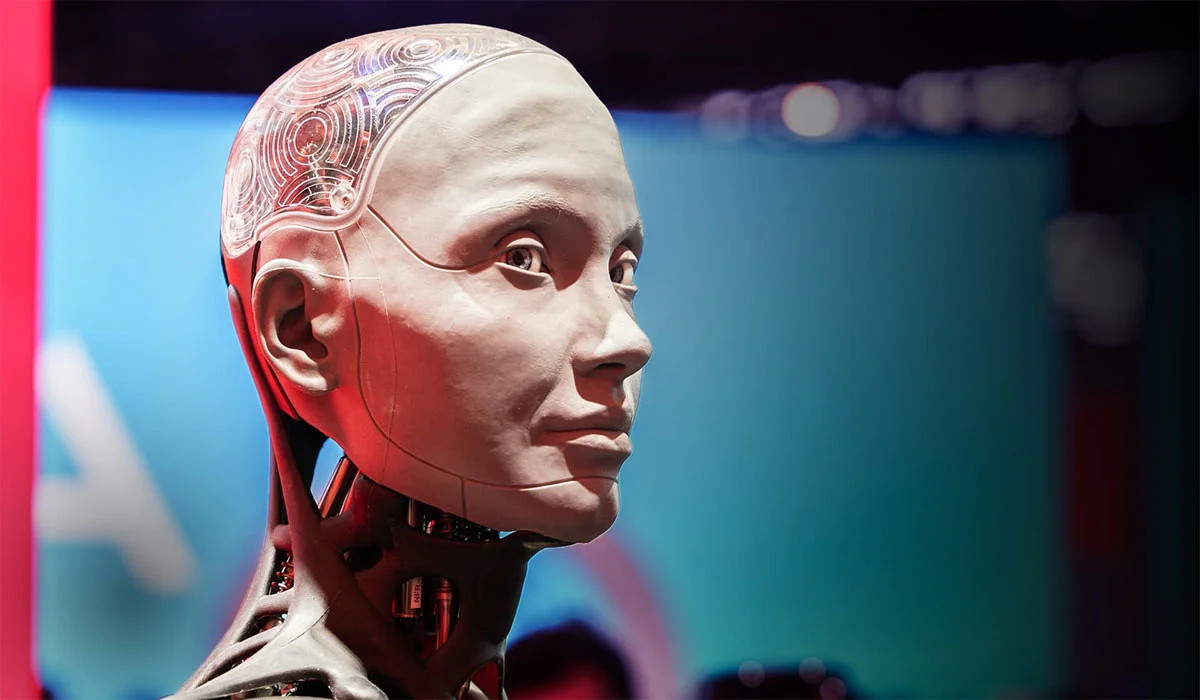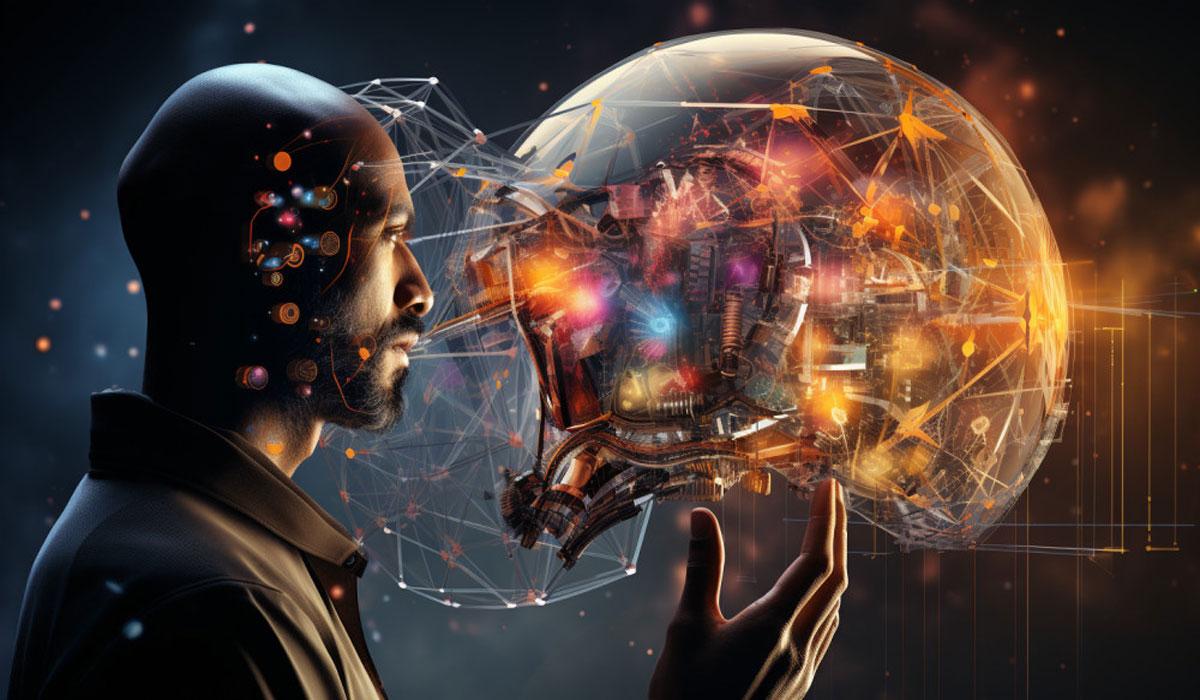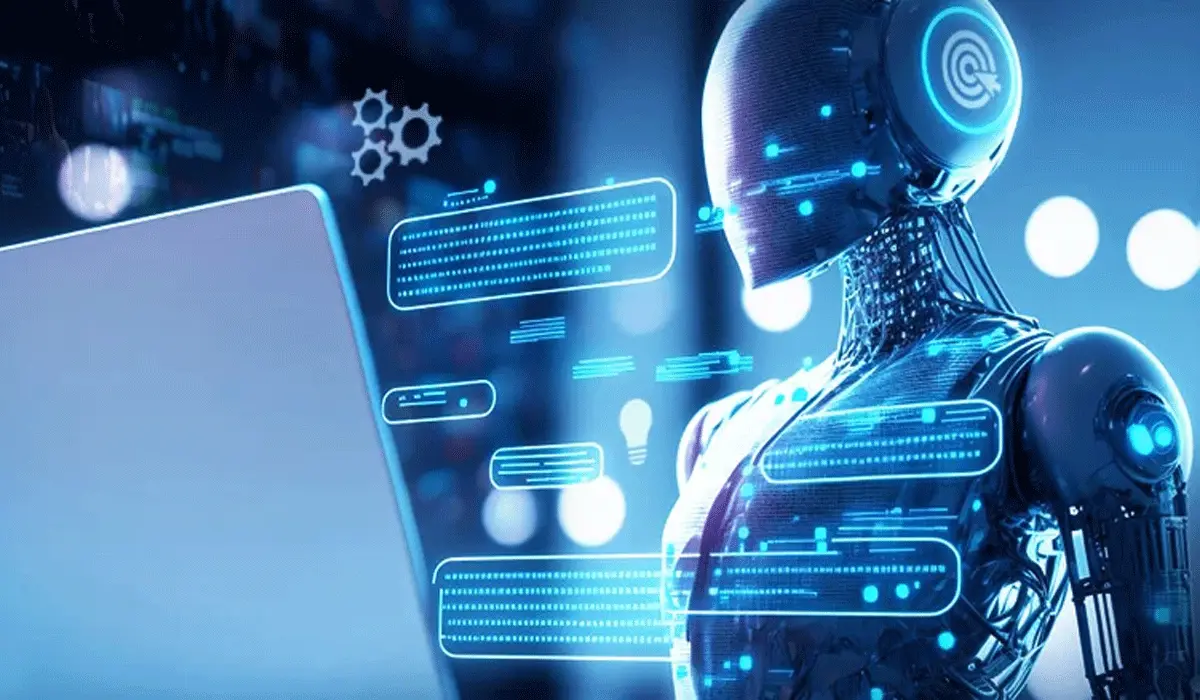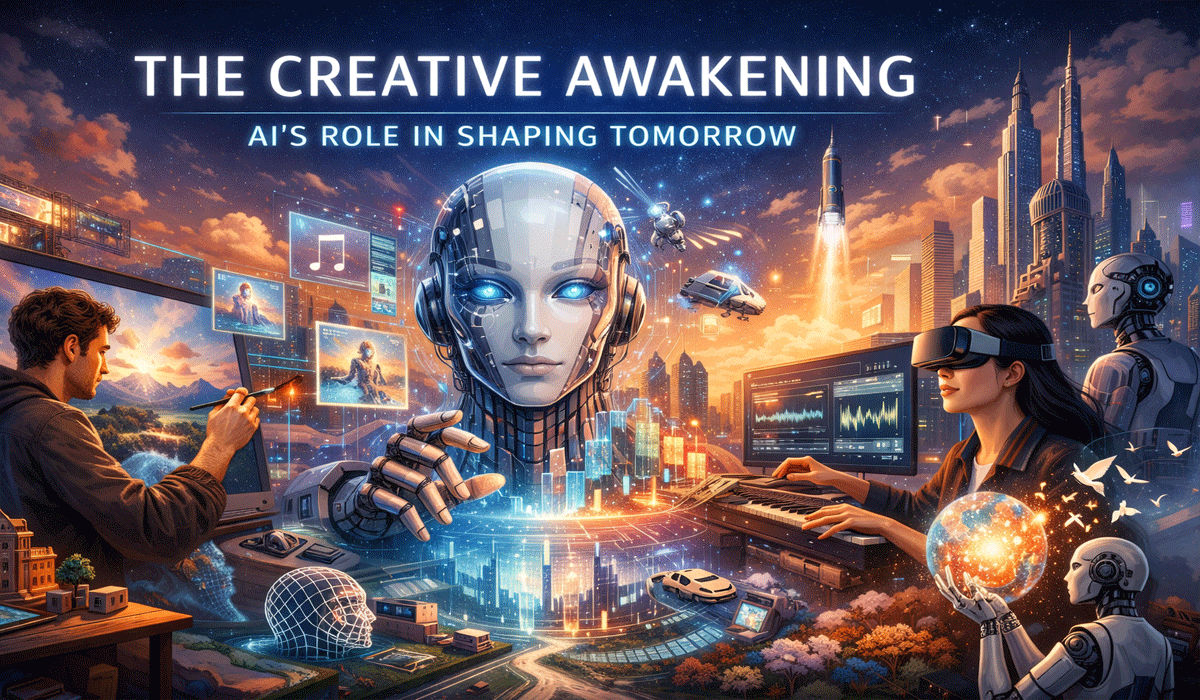
AI is transforming creativity, enabling innovation in art, music, and storytelling, shaping a future where imagination meets technology.
Below, TEACHING will provide some explanations regarding Reinventing Learning Systems for an Innovation-Driven Future.
Redefining Creativity in the Digital Age
Artificial Intelligence (AI) is no longer a futuristic concept it has firmly embedded itself into the fabric of our daily lives, transforming the way humans approach creativity. From composing music and generating artwork to assisting in writing and design, AI is challenging the traditional boundaries of creative expression. Tools like generative AI models allow individuals to explore ideas faster, experiment with diverse styles, and even push the limits of imagination in ways that were previously unimaginable.
However, this collaboration between humans and AI raises essential questions about authorship and originality. While AI can produce impressive results, it does so by analyzing patterns from existing data rather than from a purely human experience. This blending of human creativity and computational analysis creates opportunities for innovative content but also challenges traditional concepts of ownership, prompting discussions around copyright, ethical use, and the value of human input in creative works.
AI in Art, Music, and Storytelling
One of the most visible areas where AI is reshaping creativity is in the arts. Artists and musicians are increasingly using AI algorithms to generate visual art, compose melodies, and even co-write stories. For example, AI can analyze vast amounts of visual or musical data and then suggest combinations that might be difficult for a human to envision independently.
In storytelling, AI is enabling writers to explore plot twists, character development, and world-building at unprecedented speeds. Screenwriters and authors are using AI-assisted tools to brainstorm ideas or draft complex narratives, freeing them from the constraints of traditional creative processes. This integration does not replace human creativity; instead, it acts as a catalyst, enhancing imagination and providing resources that allow creators to focus on emotional depth and originality.
Read Also: Modern Lifestyle: Simple Habits for a Happier Life
Impact on Industries and Education
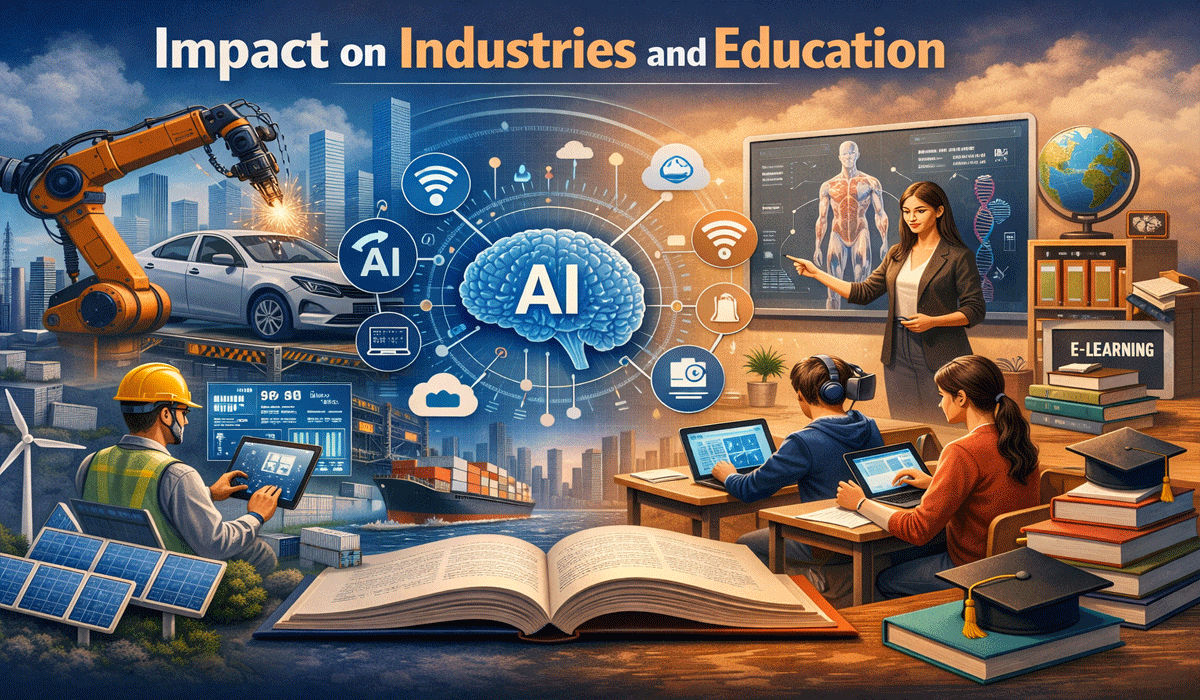
Beyond individual artists, AI’s influence is reshaping industries at large. Advertising agencies, design studios, and content production companies are leveraging AI to streamline workflows, improve efficiency, and generate innovative campaigns. By analyzing consumer behavior and trends, AI can produce insights that inform creative strategies, helping businesses remain competitive in a rapidly evolving market.
Education is also experiencing a creative revolution fueled by AI. Students and educators are exploring AI-based platforms to enhance learning experiences, from interactive art classes to music composition tools. AI can personalize feedback, suggest creative directions, and help learners explore concepts more deeply.
Challenges and the Road Ahead
Despite its vast potential, AI-driven creativity is not without challenges. Ethical concerns, data privacy, and the risk of homogenized output are some of the critical issues that need addressing. As AI continues to generate content, questions arise about originality, cultural representation, and the unintended consequences of overreliance on algorithms.
Looking ahead, the integration of AI into creative fields promises a future where innovation is accelerated, and boundaries are reimagined. By embracing AI as a collaborative partner rather than a replacement, humans can unlock new forms of expression and problem-solving. The creative awakening is underway, and its impact will shape not only art and storytelling but the very way we conceive and interact with ideas.
For the latest and most interesting related information, you can also click the TEACHING link.
Image Source:
First Image from wire-media.com
Second Image from www.consolpartners.com