Robot technology is now increasingly human-like, bringing new innovations that are rapidly changing industry and daily life in a modern way.
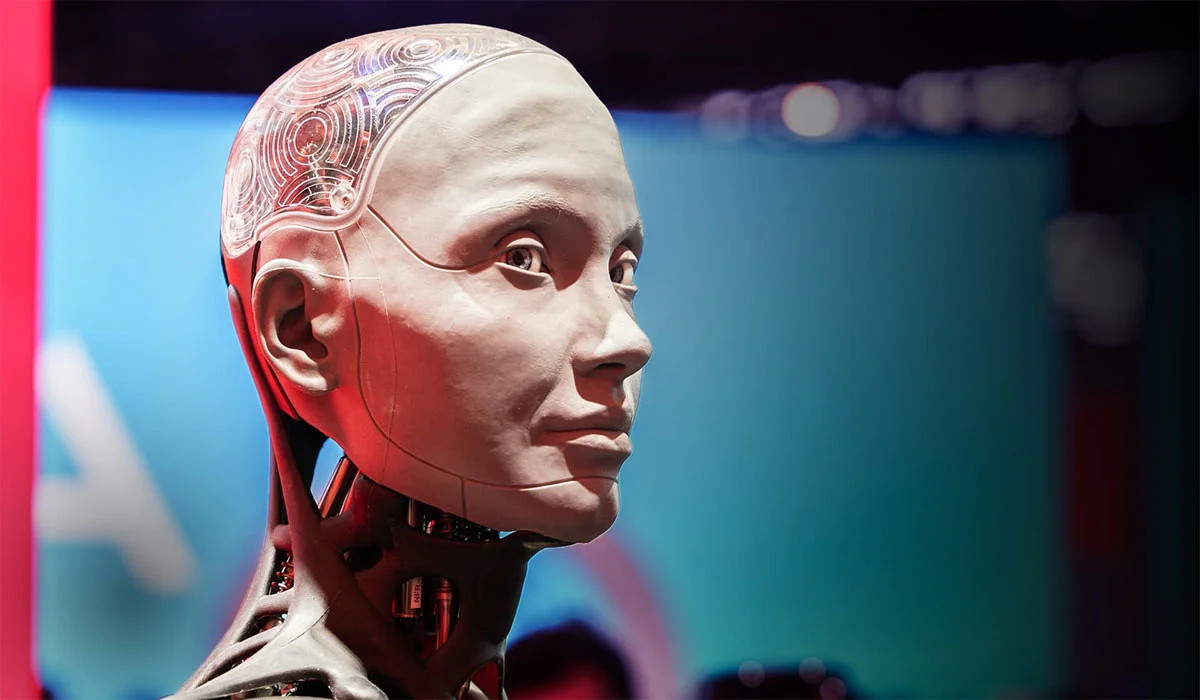
Technology is the application of science and innovation to create practical solutions that make the daily activities of modern humans easier in various fields. Next, It’s Time to Think About Wire media will discuss the development of robots that are increasingly resembling humans in various important aspects.
The Evolution of Robots from Machines to Humanoids
The robot’s journey began with simple automated machines capable of performing repetitive tasks in industrial factories. As technology advanced, engineers began developing humanoid robots with human-like body shapes. This transformation did not occur overnight, but rather through extensive research in mechanics, sensors, and artificial intelligence. Modern robots are now capable of stable walking, maintaining balance.
And even mimicking human hand movements with high precision. Examples include service robots in hotels and airports that can interact with visitors. This evolution demonstrates that robots are no longer simply production tools but are beginning to be designed as partners for humans. With a more mature development foundation, humanoid robots are predicted to become increasingly common in everyday life.
Artificial Intelligence in Shaping Robot Behavior
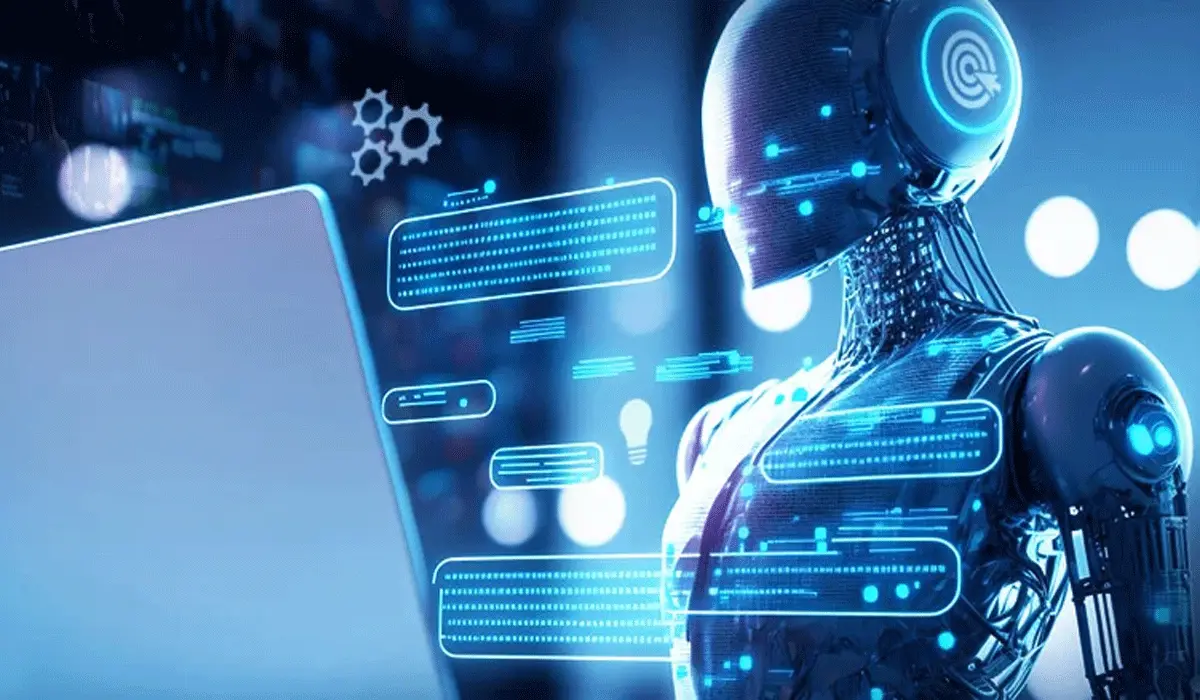
Artificial intelligence is a key component that makes robots appear more lifelike and responsive. Through the integration of AI-based technology, robots are now able to recognize faces, understand voice commands, and respond to basic human emotions. Machine learning systems enable robots to process data from their environment in real time, making their behavior appear more natural.
For example, customer service robots can adjust their tone of voice based on user expressions. This adaptive capability makes human-robot interactions more comfortable than previous generations. Furthermore, AI algorithms are continuously being updated so robots can learn from new experiences.
Also Read: Save on Home Renovation Costs Without Sacrificing Quality
Advances in Sensors & Increasingly Precise Motors
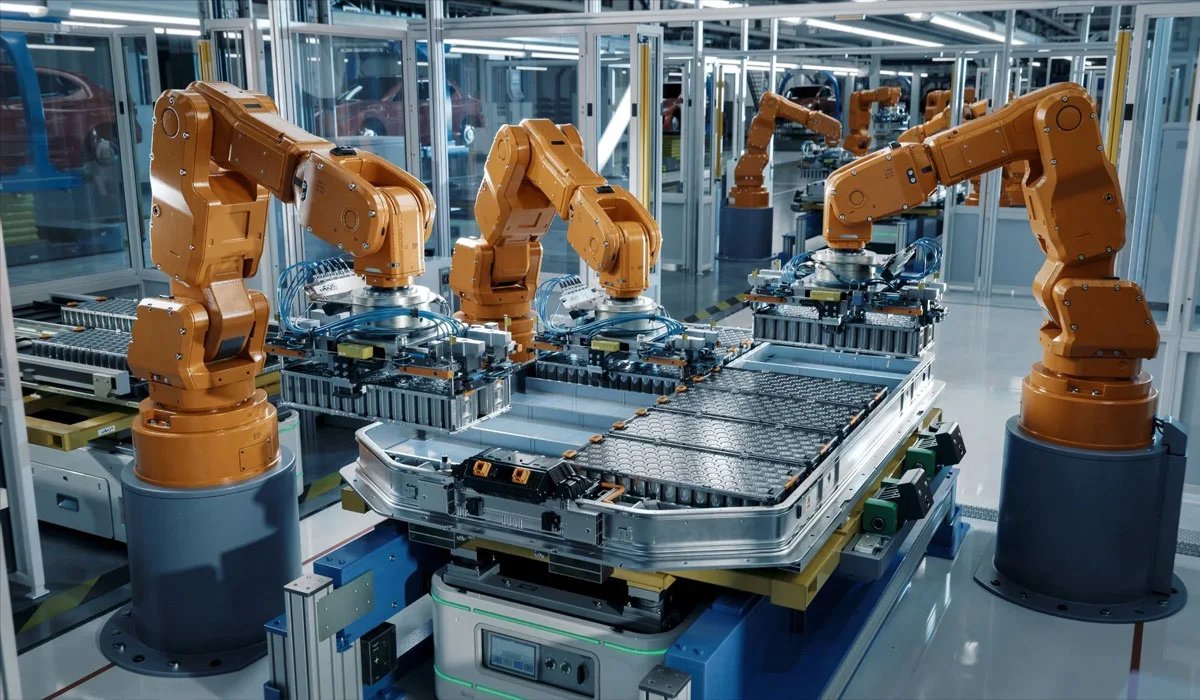
Developments in sensor devices and motor systems play a major role in creating smooth robot movements. Supported by modern sensor technology, robots can detect pressure, temperature, distance, and position with a high degree of accuracy. As a result, robots can grasp fragile objects without damaging them or navigate uneven surfaces.
The latest generation of servo motors also provides more flexible motion control, so robot movements are no longer as rigid as those of older machines. An example of this application is seen in medical robots, which assist in surgical procedures with extraordinary precision. T
he combination of advanced sensors and precision actuators allows robots to increasingly approach human physical capabilities. In the future, improvements in this aspect will open up opportunities for robots to be used in more complex environments.
The Impact of Human-Like Robots in the World of Work
The entry of humanoid robots into various work sectors is bringing significant changes to modern industrial patterns. With the support of automation technology, companies can increase operational efficiency while reducing human error. Robots are now used in customer service, healthcare, manufacturing, and even education. Their presence helps with repetitive work, allowing humans to focus on more strategic tasks.
However, this change also presents new challenges, such as the need to upgrade workforce skills. Many organizations are starting to develop retraining programs so that workers can collaborate with robots, rather than completely replace them. If managed properly, humanoid robots can actually become powerful productivity-boosting tools in the modern workplace.
Predictions for an Increasingly Realistic Robot Future
Robot development trends are moving toward greater human-likeness, both physically and behaviorally. Through continually evolving technological innovation, researchers are striving to create robots with more natural facial expressions, softer voices, and enhanced social skills. Some laboratories are even developing synthetic skin that mimics human texture.
In the coming decades, robots are expected to serve as personal assistants at home, companions for the elderly, and even coworkers in the office. However, ethical and safety aspects remain key concerns. The future of humanoid robots looks very promising, as long as their development maintains a balance between technological advancements and human needs.
Image Source:
First Image from: www.cnbc.com
Second Image from: www.azorobotics.com