From social media platforms to online news, streaming services, and digital advertising, media influences almost every aspect of daily life.
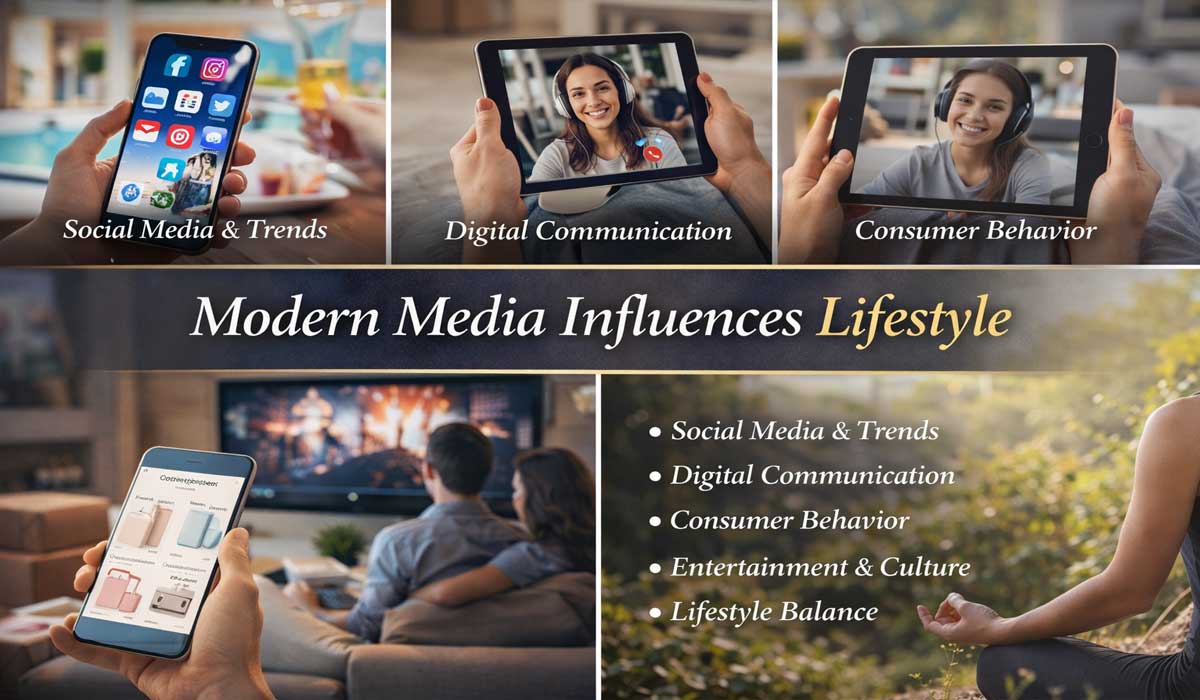
Understanding how modern media influences lifestyle helps us use it more wisely and maintain a balanced way of living.
The Impact of Social Media on Daily Life
Social media has become a central part of modern lifestyles. Platforms such as Instagram, TikTok, Facebook, and X (Twitter) allow people to share moments, opinions, and experiences instantly. These platforms influence how individuals dress, eat, travel, and even how they view success and happiness.
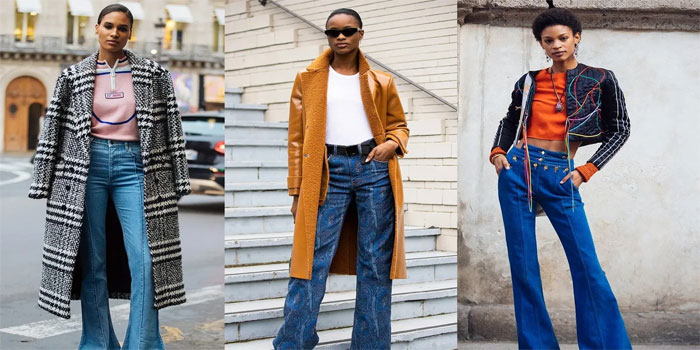
Trends spread rapidly through social media, shaping popular culture and personal habits. For example, fashion trends, fitness routines, and food preferences often go viral and become part of everyday life. While this can be inspiring and entertaining, it can also create pressure to compare oneself with others.
Digital Media and Communication Styles
Modern media has transformed the way people communicate. Text messaging, video calls, voice notes, and instant messaging apps have replaced many traditional forms of communication. This shift has made communication faster and more convenient, especially for long-distance relationships.
However, digital communication can also reduce face-to-face interactions. Emojis and short messages often replace deeper conversations, which may affect emotional connections. On the positive side, digital media allows people to maintain relationships across different countries and cultures.
Professional communication has also evolved. Emails, virtual meetings, and online collaboration tools are now essential in many workplaces. This has influenced work-life balance, allowing remote work and flexible schedules but also blurring the boundaries between personal and professional life.
Media Influence On Consumer Behavior
Modern media strongly influences how people shop and spend money. Online advertisements, influencer marketing, and personalized content shape consumer preferences and buying decisions. People are often influenced by reviews, unboxing videos, and social media endorsements before purchasing a product.
Lifestyle choices such as clothing, technology, home décor, and travel destinations are heavily promoted through digital platforms. This exposure can encourage people to try new products and experiences, but it may also lead to impulsive spending and overconsumption.
Brands now focus on storytelling and emotional connection to attract consumers. As a result, people often associate products with certain lifestyles or identities. Being aware of these influences helps individuals make more conscious and responsible purchasing decisions.
Read Also: Get The Best Modern Entertainment With Cable Media
Entertainment Media and Lifestyle Trends
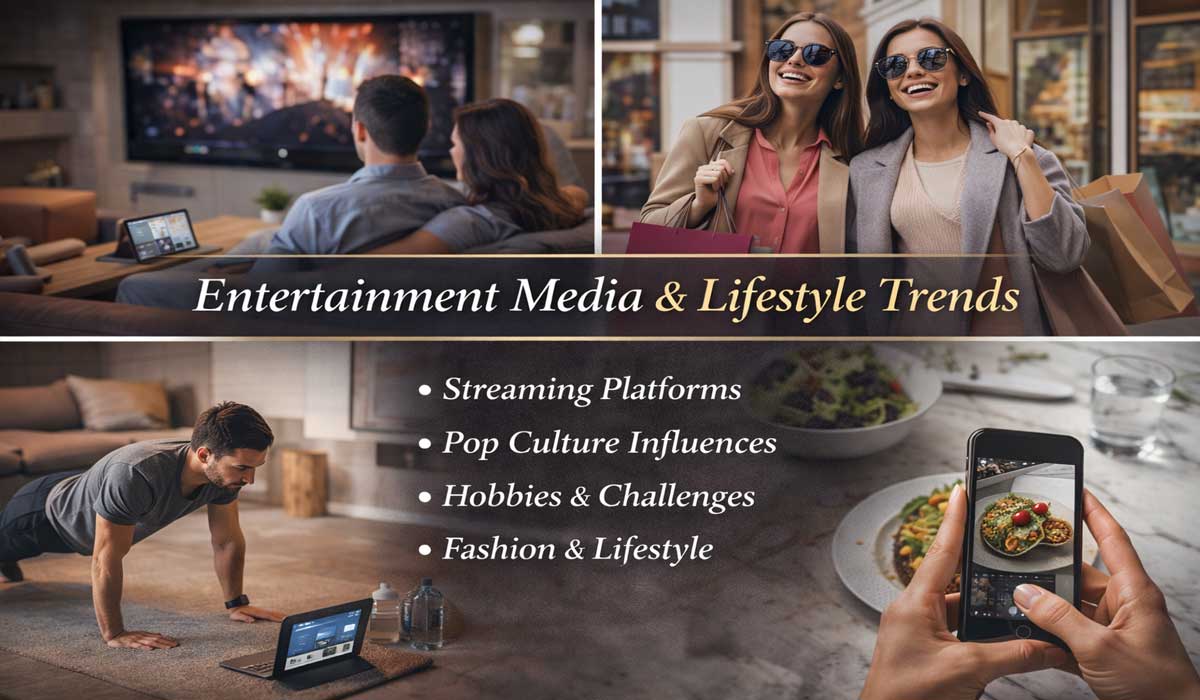
Streaming platforms, online videos, and digital music services have changed how people consume entertainment. Binge-watching series, following online creators, and listening to podcasts are now common lifestyle habits.
Entertainment media also shapes cultural trends and social behavior. Movies, series, and online content influence fashion styles, language, and even relationship expectations. Fitness challenges, cooking shows, and self-improvement content encourage people to adopt new routines and hobbies.
While entertainment media offers relaxation and inspiration, excessive consumption can lead to sedentary lifestyles and reduced social interaction. Finding balance is essential to enjoy entertainment without negatively affecting physical and mental well-being.
Media Awareness and Healthy Lifestyle Balance
With the strong influence of modern media, media literacy has become increasingly important. Understanding how content is created, promoted, and consumed helps people make informed choices. Being selective about media consumption can reduce stress, misinformation, and unrealistic expectations.
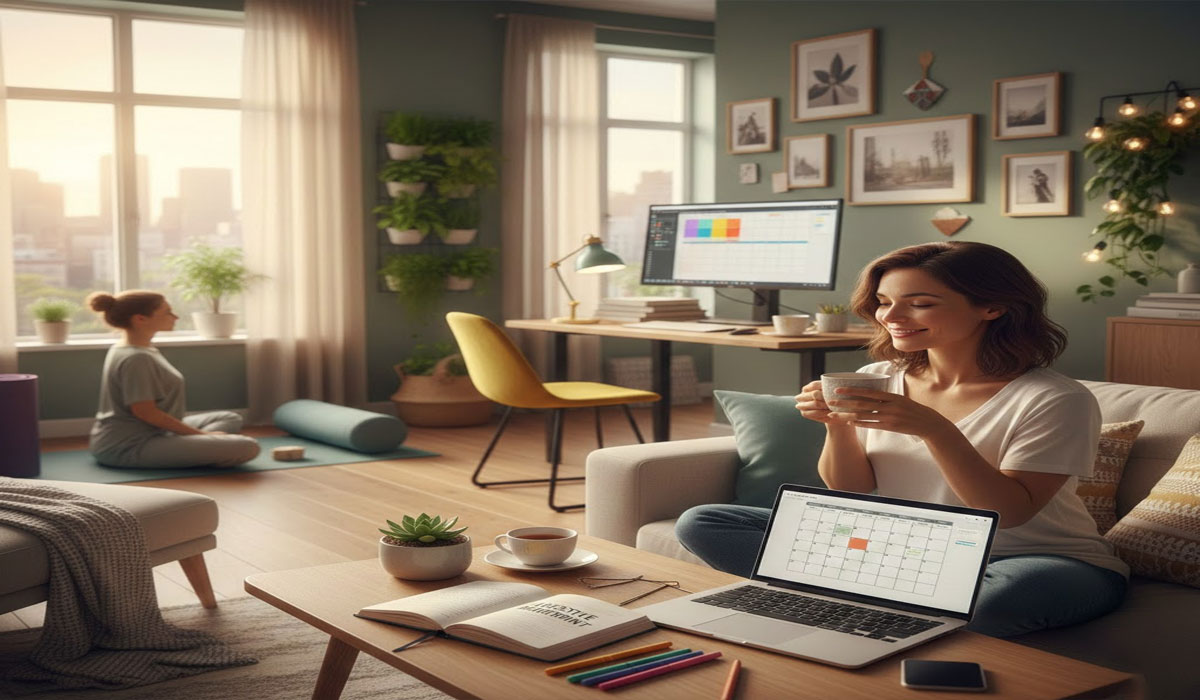
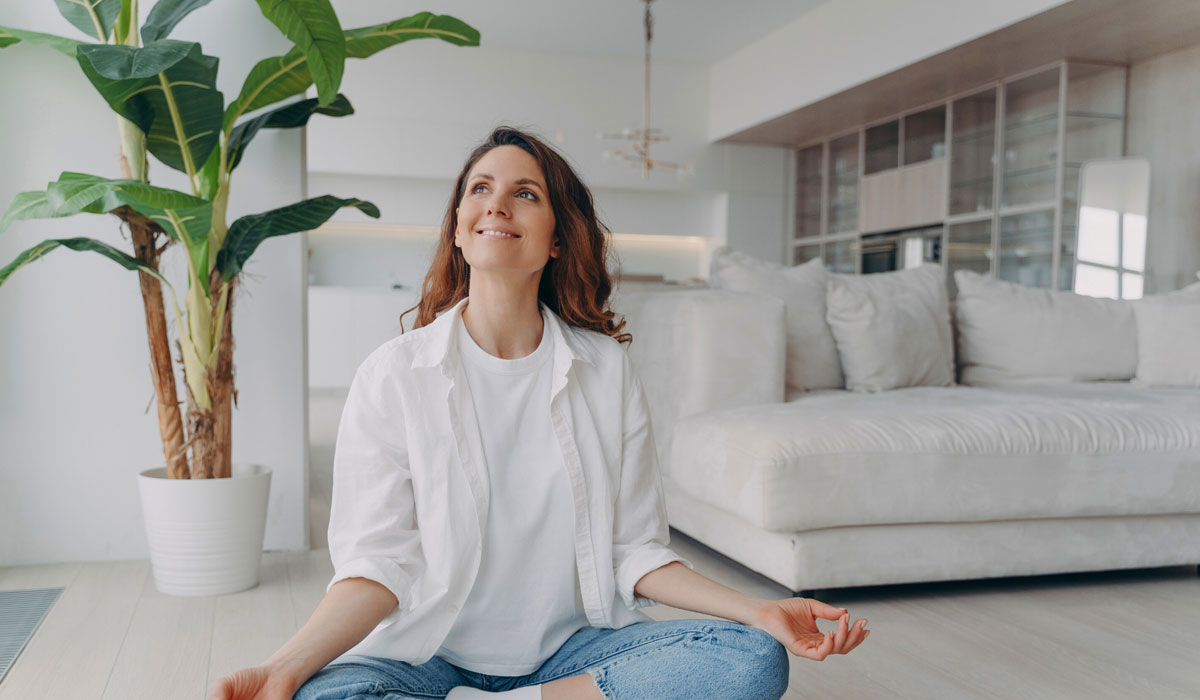
Setting boundaries, such as limiting screen time and curating positive content, supports a healthier lifestyle. Digital detox practices, such as taking breaks from social media, can improve focus and emotional well-being.