In today’s fast-paced digital era, internet connectivity has become the backbone of almost every activity, from work and education to entertainment.
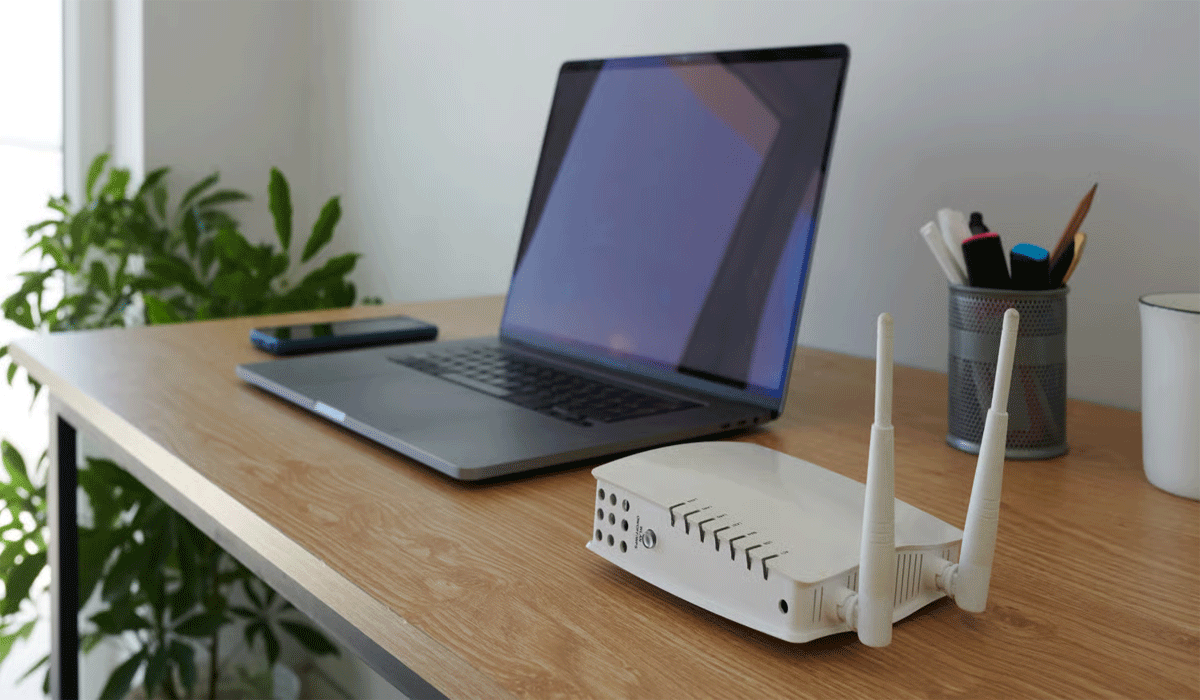
While wireless technologies continue to advance, wired media still play a crucial role in ensuring network speed, stability, and security. Many people assume Wi-Fi or cellular networks are sufficient, yet cables offer advantages that are difficult to match, especially for businesses and modern home infrastructure.
Below It’s Time to Think About Wire media we will provide interesting information that you must know.
Advantages of Wired Media Over Wireless
Wired media provide a more stable connection compared to wireless networks. Signal interference, obstacles, or distance from the router can often make Wi-Fi inconsistent. Cables, such as Ethernet or fiber optics, reduce data loss and maintain high-quality information transfer. For activities that demand high speed, such as video conferencing, 4K streaming, or large data transfers, wired connections remain the most reliable choice.
Moreover, wired media offer lower latency, which is essential for real-time applications. Online gaming, video calls, and cloud-based tools require instant responsiveness, and cables minimize delays, creating a smoother digital experience. This advantage keeps wired connections relevant even as wireless technologies promise increased mobility and convenience.
Types of Wired Media And Their Functions
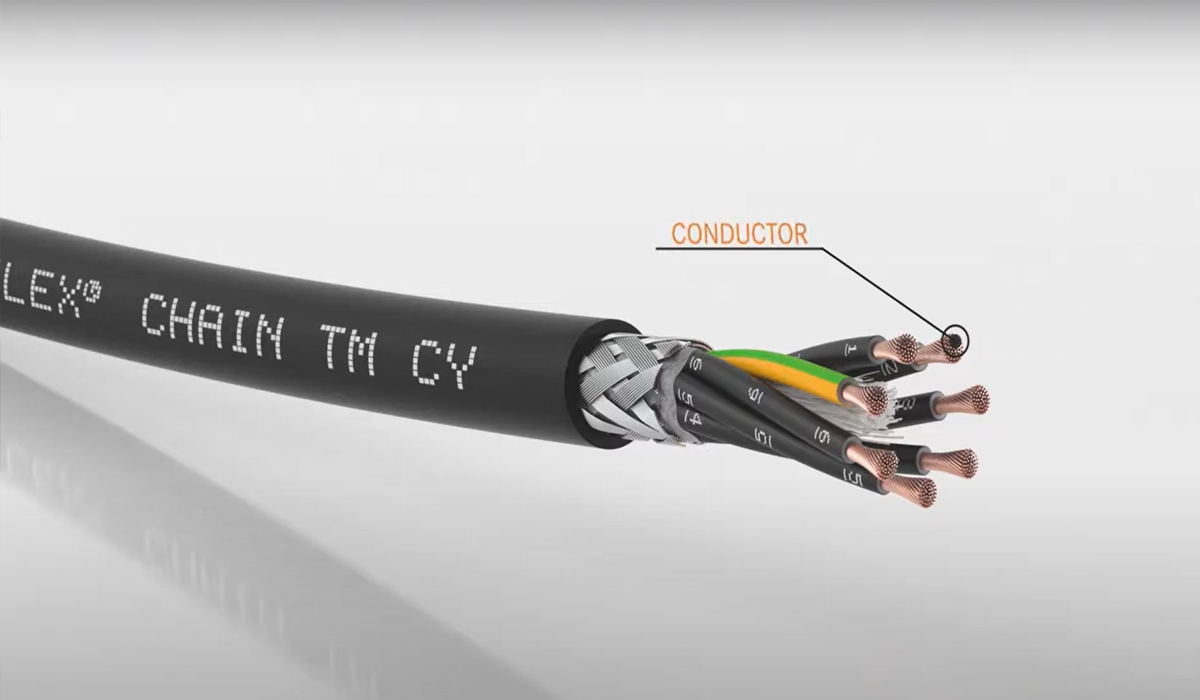
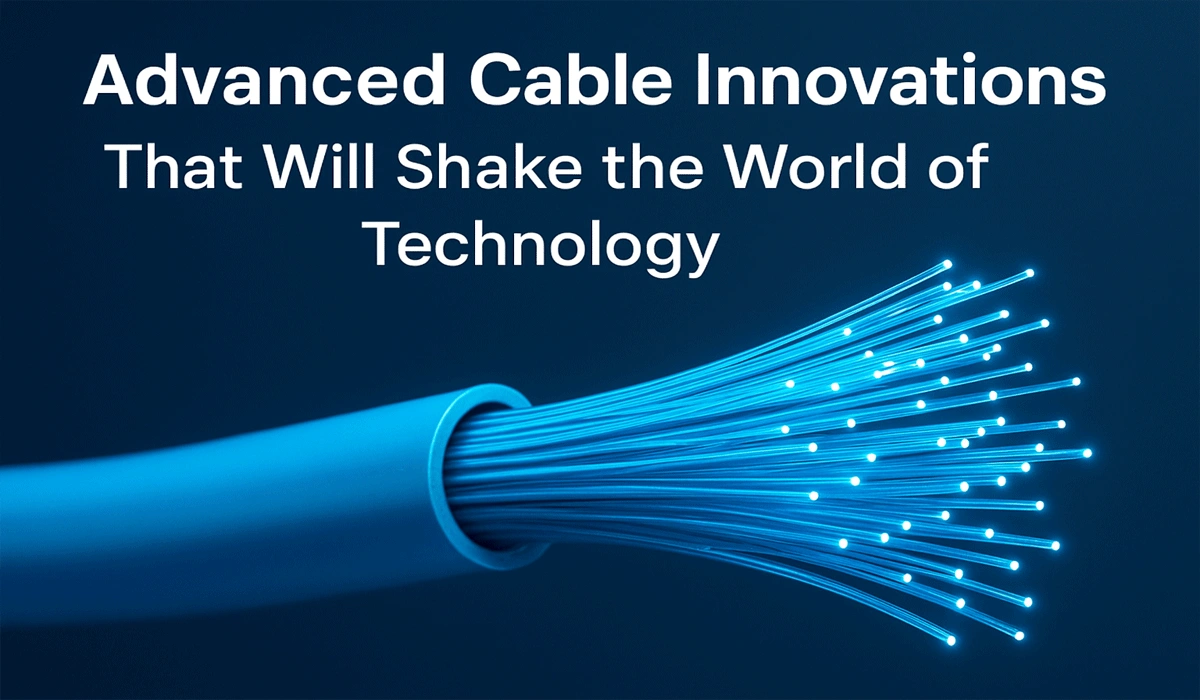
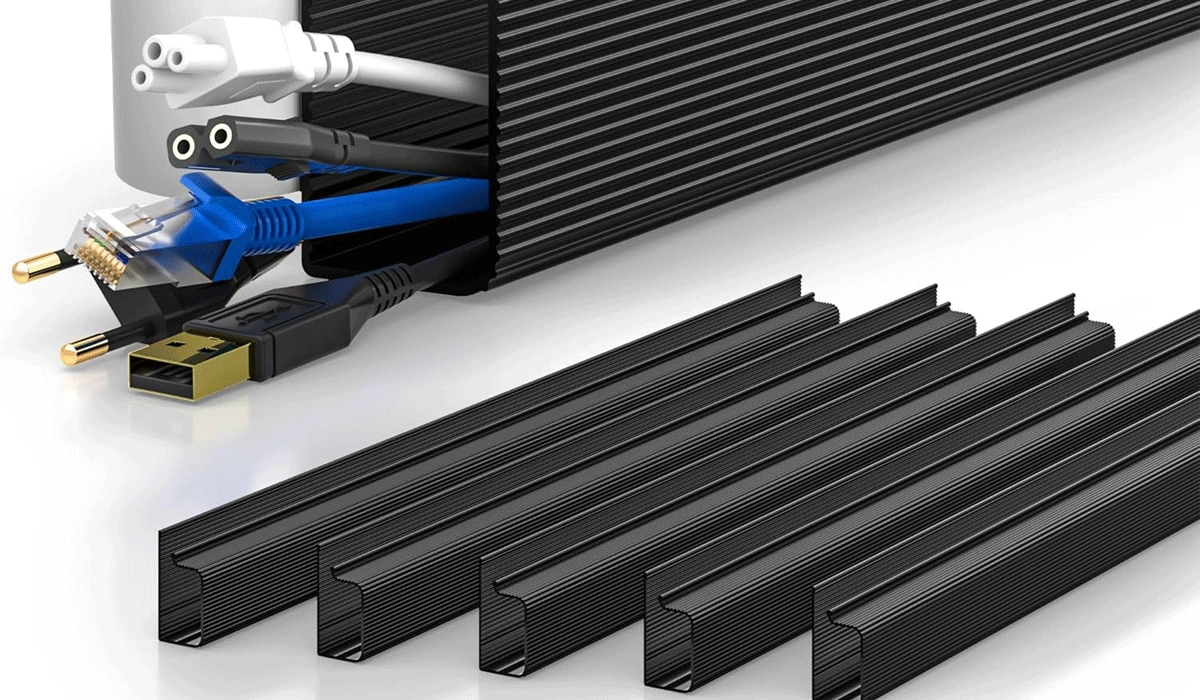
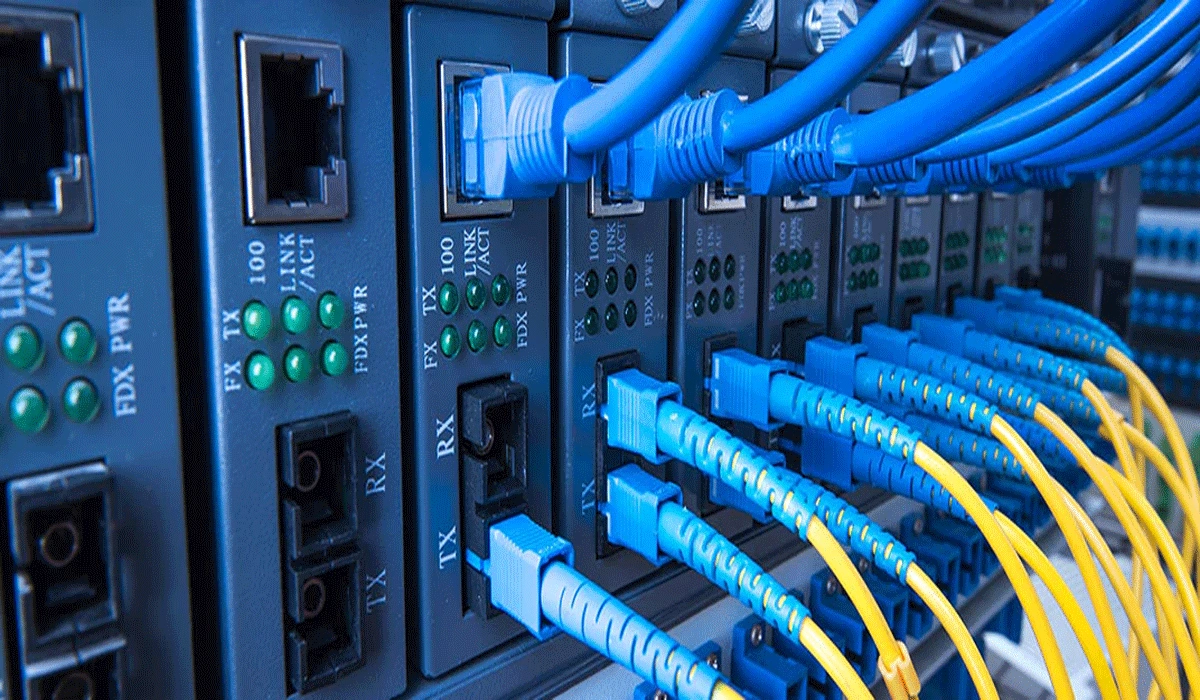
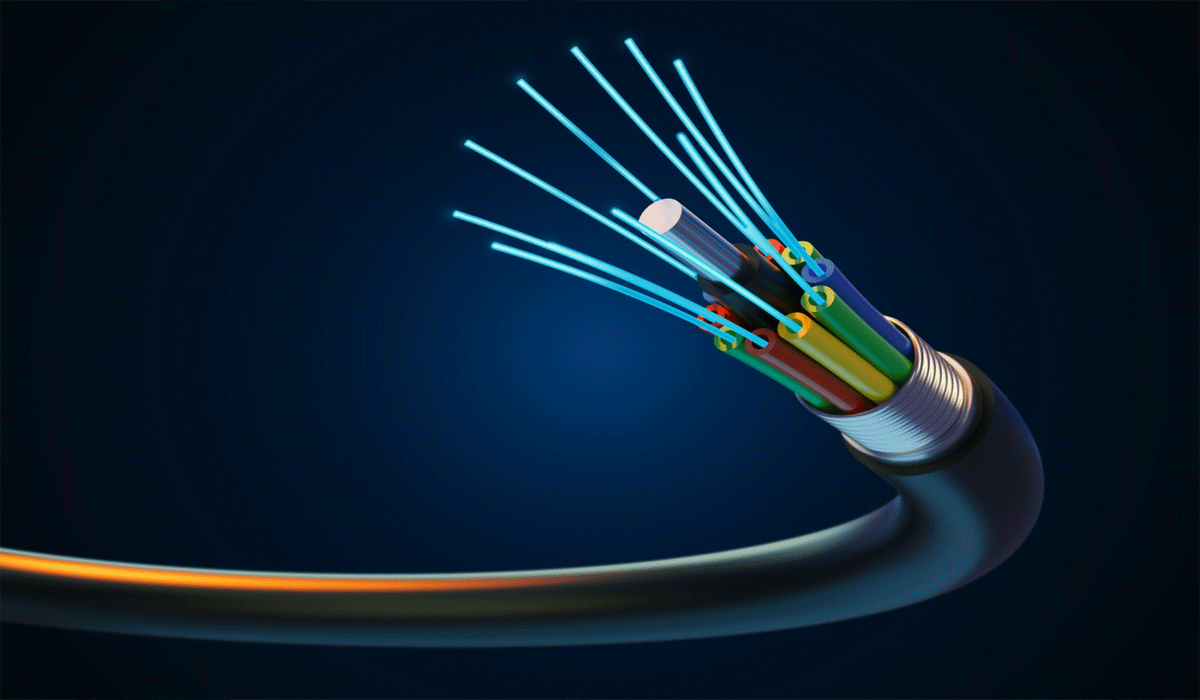
There are various types of wired media designed to meet different connectivity needs. Copper cables, such as coaxial or twisted pair, are commonly used for homes and offices. Fiber optic cables, on the other hand, provide much higher speed and data capacity, making them ideal for ultra-fast internet and large-scale networks. Choosing the right wired medium directly impacts connection quality and user experience.
Each type of cable has distinct characteristics. Copper cables are cost-effective and easy to install, while fiber optics are more resistant to interference and support data transfer speeds of several gigabits per second. Understanding these differences helps users and organizations make strategic decisions for an efficient and long-lasting network infrastructure.
Wired Media And Network Security
Security is a critical factor when choosing network media. Wired connections are harder for outsiders to access compared to wireless networks, reducing the risk of hacking or eavesdropping. This is especially important for businesses handling sensitive data or households prioritizing privacy. With wired media, information flows securely from source to destination with minimal external risk.
In addition, wired setups simplify network management. Administrating and monitoring a wired network is easier because data paths are clear and directly connected between devices. A secure and well-organized infrastructure ensures that wired media remain relevant in the digital era, particularly for organizations prioritizing data protection and operational stability.
Read Also: Digital Transformation: Connecting Every Corner Of Life
The Future of Wired Media in The Digital Age
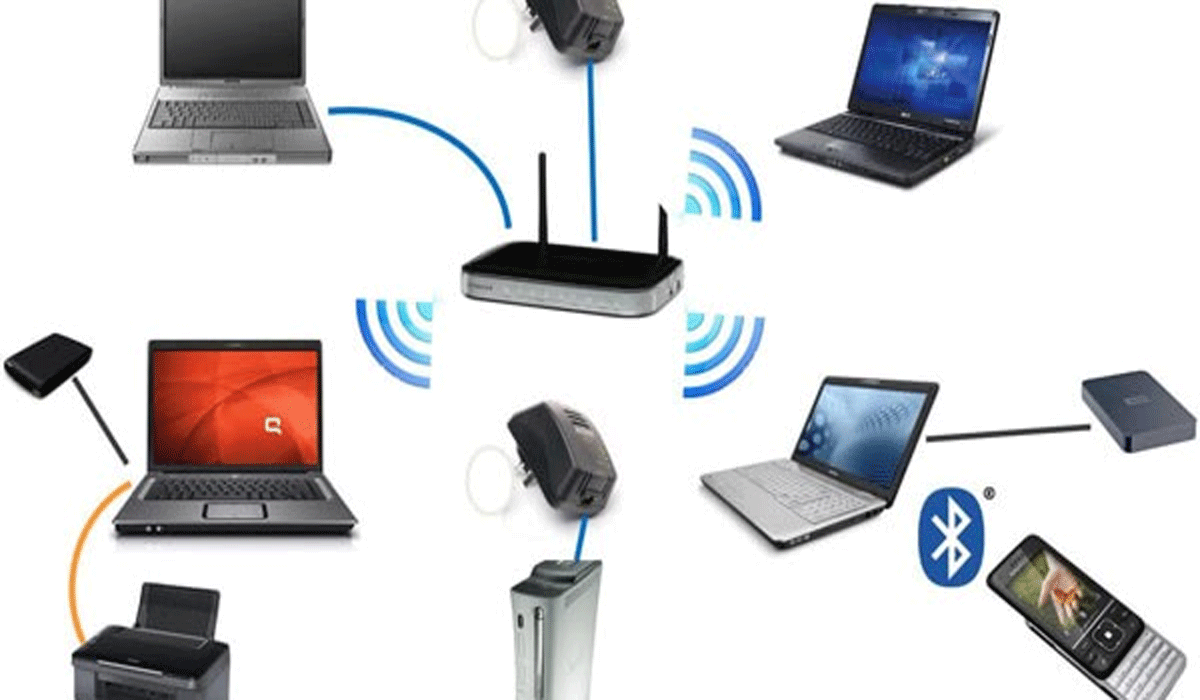
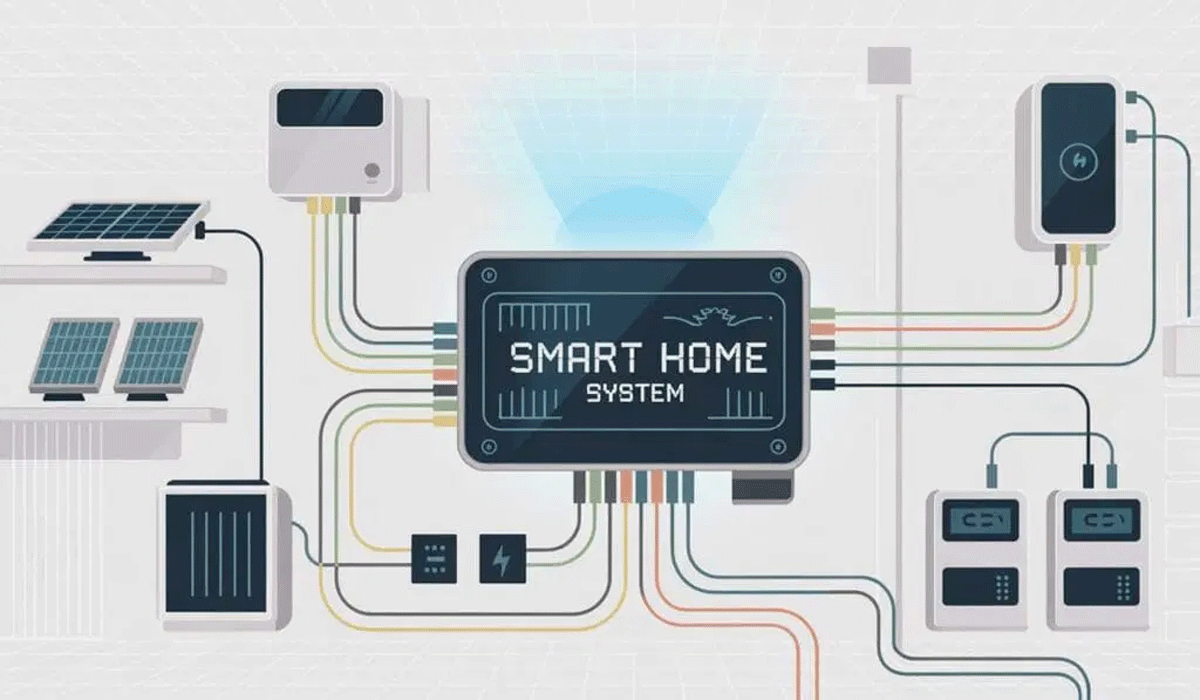
Even as wireless networks continue to advance, wired media still play a vital role in building reliable digital infrastructure. Increasing demands for high-quality streaming, cloud computing, and the Internet of Things (IoT) require fast and stable connections. Wired media provide the foundation that allows these technologies to function without disruption.
Future trends indicate a hybrid approach combining wired and wireless networks as the optimal solution. Cables support high-speed backbone connections, while Wi-Fi offers mobility and convenience. This strategy ensures fast, stable, and secure connections while maximizing user flexibility. The future of the internet is not just about speed but also reliability, where wired media continue to play an essential role.
Implementing Wired Media At Home And in The Office
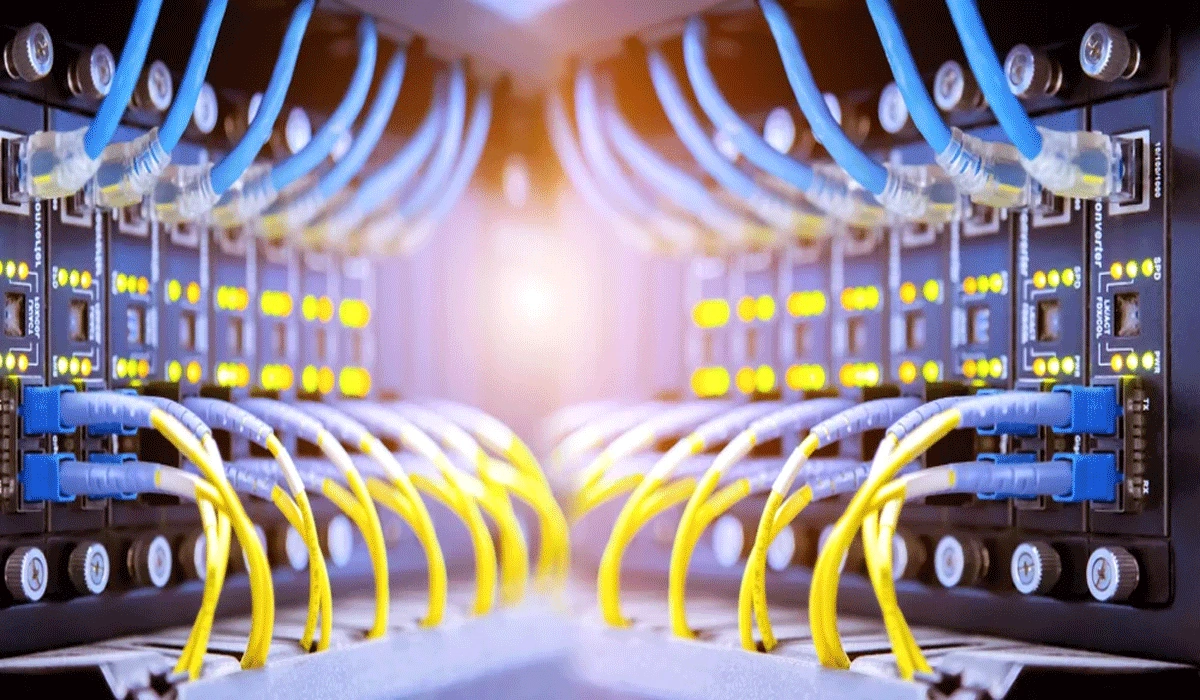
Implementing wired connections at home or in the office can significantly improve productivity and the digital experience. At home, cables can connect key devices such as PCs, smart TVs, or gaming consoles to ensure smooth entertainment. In offices, wired connections enable large data transfers between servers, high-quality video conferencing, and reduced network interruptions.
Additionally, careful network planning simplifies expansion and maintenance. Strategically placed cables and high-quality switches or hubs make networks more efficient. While the initial investment in cables may be higher than Wi-Fi, the long-term benefits stability, security, and optimal network capacity far outweigh the costs.
Conclusion
Wired media remain the backbone of stable and reliable internet connectivity in the digital era. Their advantages in terms of stability, low latency, and security make them an indispensable choice, even as wireless technologies continue to evolve. Wired connections support digital activities that require speed and consistency, from home use to large-scale business operations.
The future of internet connectivity will likely rely on a combination of wired and wireless networks. Cables will serve as the primary backbone, while wireless solutions provide mobility and flexibility. By understanding the role of wired media and choosing the right types, users can ensure fast, secure, and future-ready networks.
Image Source:
First Image from: pasangjaringan.id
Second Image from: dte.telkomuniversity.ac.id