Discover how the Internet of Things (IoT) is connecting the world in new ways, transforming homes, industries, and cities with smart technology.
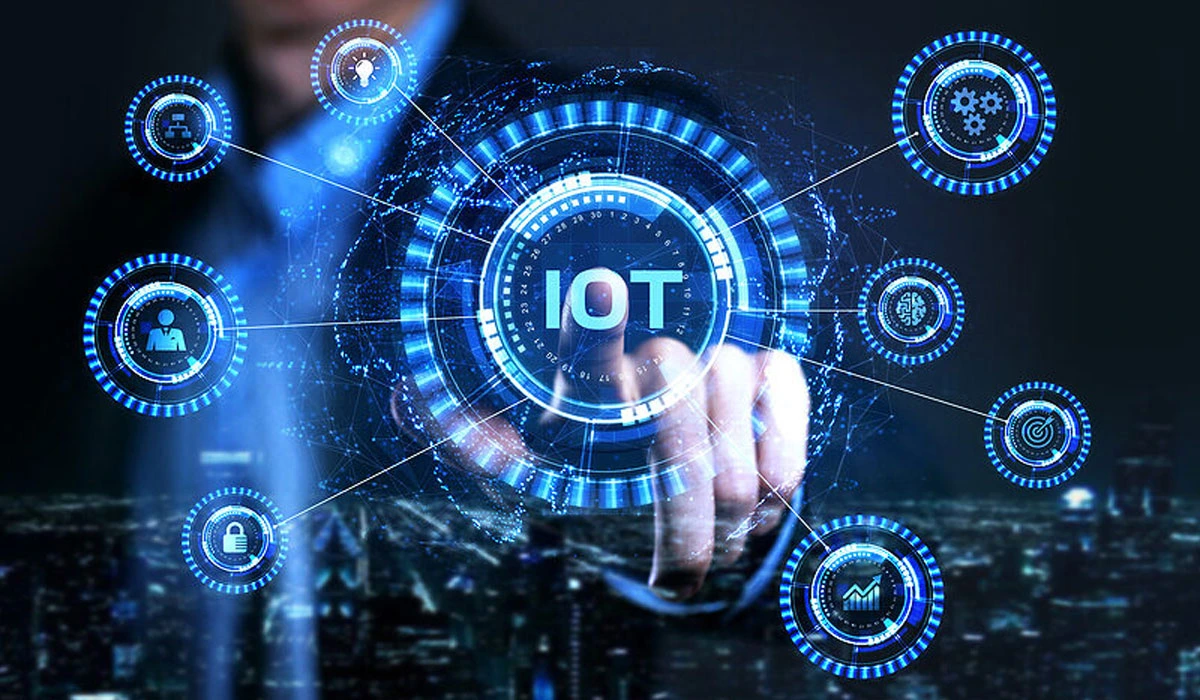
The Internet of Things (IoT) has transformed the way we interact with technology, turning ordinary devices into smart, interconnected systems. From homes and workplaces to cities and industries, IoT is revolutionizing everyday life by enhancing efficiency, convenience, and data-driven decision-making.
This article It’s Time to Think About Wire media we explore how IoT is connecting the world in unprecedented ways and what it means for the future.
What is the Internet of Things?
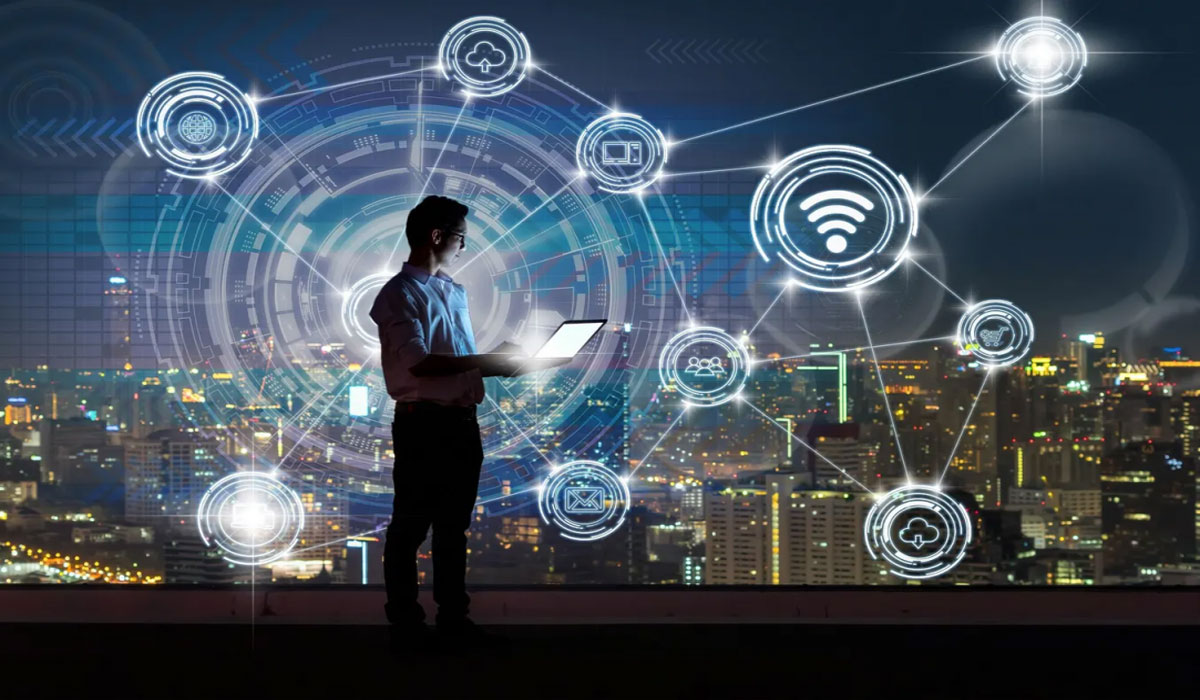
The Internet of Things refers to the network of physical devices embedded with sensors, software, and other technologies that allow them to connect, collect, and exchange data over the internet. These devices range from everyday household gadgets like smart thermostats and wearable fitness trackers to industrial machines and city infrastructure.
IoT devices communicate with each other and with centralized systems, enabling automation and real-time monitoring. For example, smart home systems can adjust lighting and temperature based on your habits, while industrial IoT solutions can predict machinery failures before they happen, reducing downtime and costs.
The rapid expansion of IoT is driven by advancements in wireless networks, cloud computing, and artificial intelligence (AI). As more devices become connected, the potential for data-driven insights and automation grows, making IoT an integral part of modern life.
How IoT is Transforming Everyday Life
IoT is no longer just a futuristic concept, it is actively transforming our daily lives. In homes, IoT devices like smart speakers, security cameras, and connected appliances provide convenience, energy savings, and enhanced security. Imagine leaving for work and receiving a notification that your washing machine has finished a cycle or that your front door was unlocked, IoT makes this possible.
Wearable devices like smartwatches and fitness trackers monitor heart rate, sleep patterns, and physical activity, allowing users to make informed health choices. Healthcare providers also leverage IoT devices for remote patient monitoring, improving the quality of care and reducing hospital visits.
In transportation, IoT improves traffic management and logistics. Smart traffic lights, GPS-enabled vehicles, and connected public transport systems help reduce congestion and fuel consumption. Additionally, IoT-powered predictive maintenance ensures vehicles are serviced before issues escalate, enhancing safety and efficiency.
Read Also: Smart Business Strategies That Modern Entrepreneurs Must Know
IoT in Industry and Smart Cities
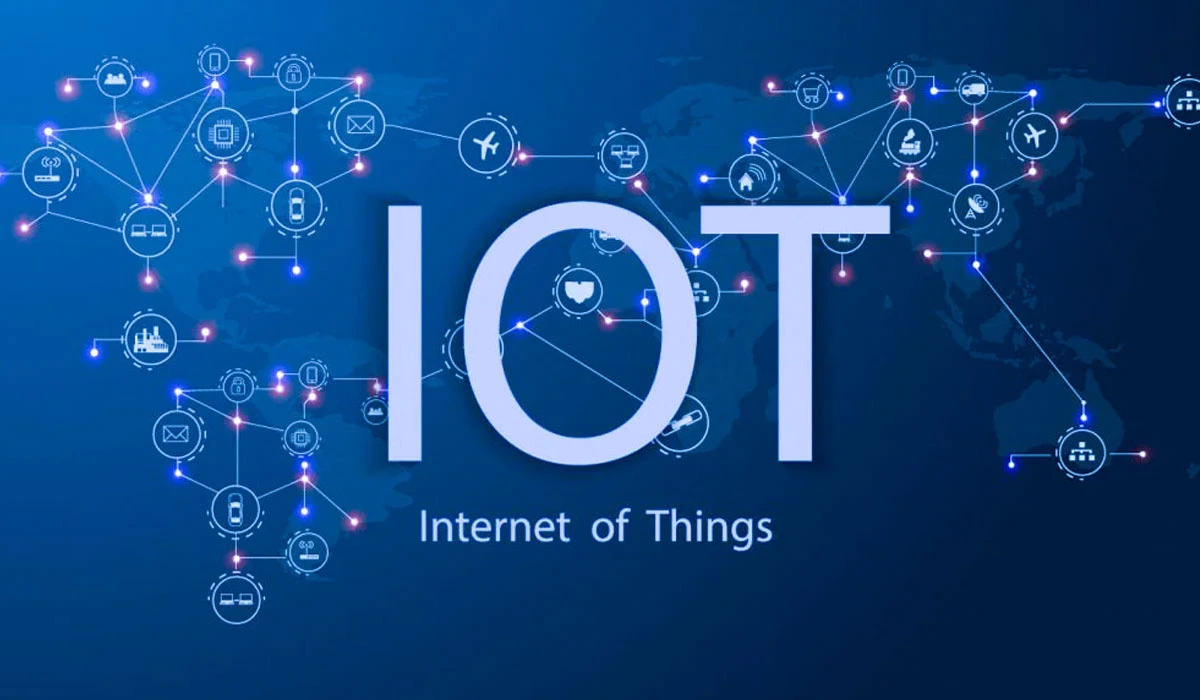
The impact of IoT extends far beyond consumer applications. In industrial settings, IoT often referred to as the Industrial Internet of Things (IIoT), enables manufacturers to monitor equipment in real-time, optimize production processes, and minimize downtime. By integrating IoT sensors with AI analytics, factories can detect inefficiencies and prevent costly breakdowns.
Smart cities also rely heavily on IoT to enhance urban living. Connected sensors monitor air quality, water usage, and waste management, providing data to optimize city operations. Streetlights can adjust brightness based on pedestrian activity, while parking sensors guide drivers to available spaces, reducing traffic congestion.
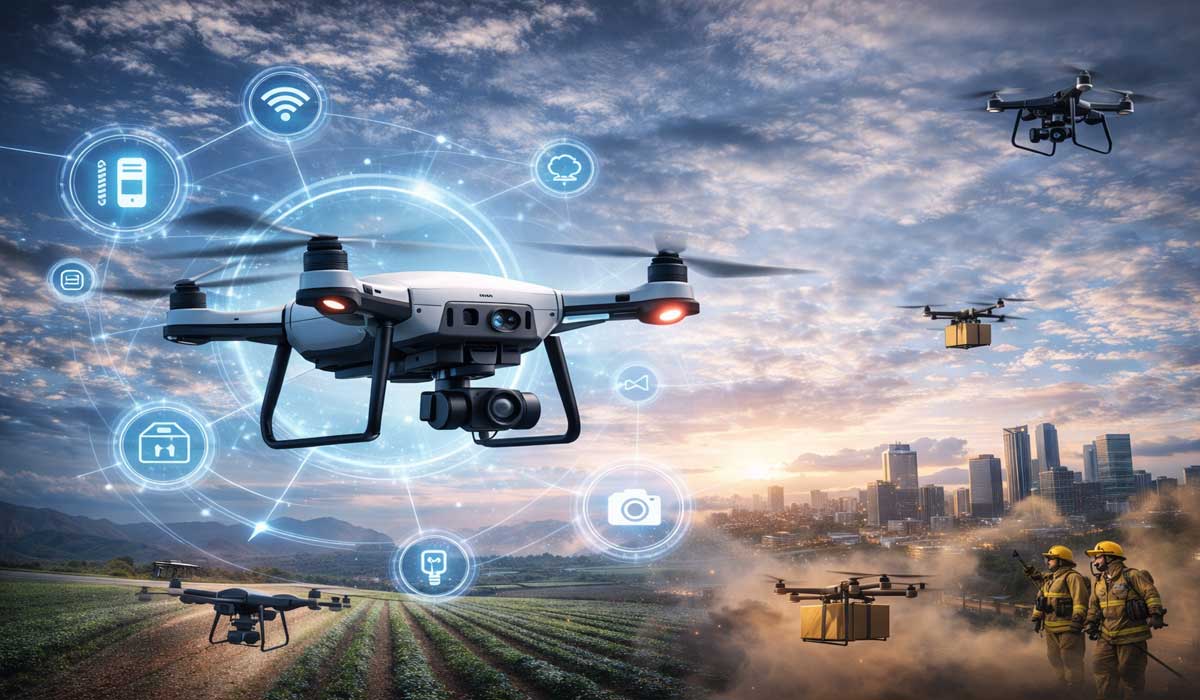
Moreover, IoT facilitates emergency response and public safety. For instance, connected surveillance systems and environmental sensors can detect hazards like floods or fires and alert authorities immediately, enabling quicker interventions. It’s Time to Think About Wire media
Challenges and Future of IoT
Despite its transformative potential, IoT comes with challenges. Security and privacy are major concerns since connected devices collect vast amounts of personal and sensitive data. Cyberattacks targeting IoT devices can have severe consequences, especially in healthcare or industrial applications. Ensuring robust encryption, secure authentication, and regular software updates is critical to mitigating these risks.
Another challenge is interoperability. With numerous manufacturers and communication protocols, ensuring seamless interaction between IoT devices remains complex. Industry standards and open protocols are essential to enable wider adoption and prevent fragmented systems.
Looking ahead, the future of IoT is promising. Emerging technologies like 5G, edge computing, and AI are expanding the capabilities of IoT devices, enabling faster data processing and smarter automation. From autonomous vehicles to intelligent energy grids, IoT will continue to reshape how we live, work, and interact with our surroundings.
As IoT adoption grows, businesses and individuals must embrace these technologies while addressing the associated risks. By doing so, we can unlock the full potential of IoT and continue connecting the world in innovative ways.
Thank you for taking the time to read this article. Don’t miss other interesting information in It’s Time to Think About Wire Media.
Image Source:
First Image from mokosmart.com
Second Image from cyberdb.co