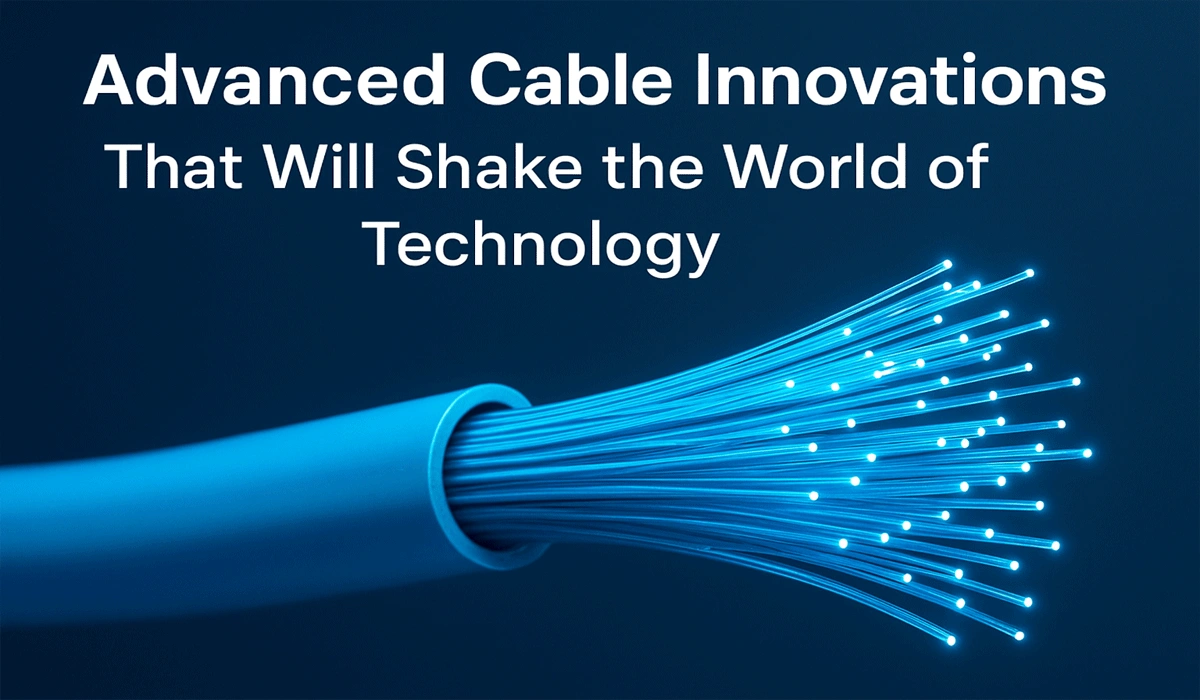
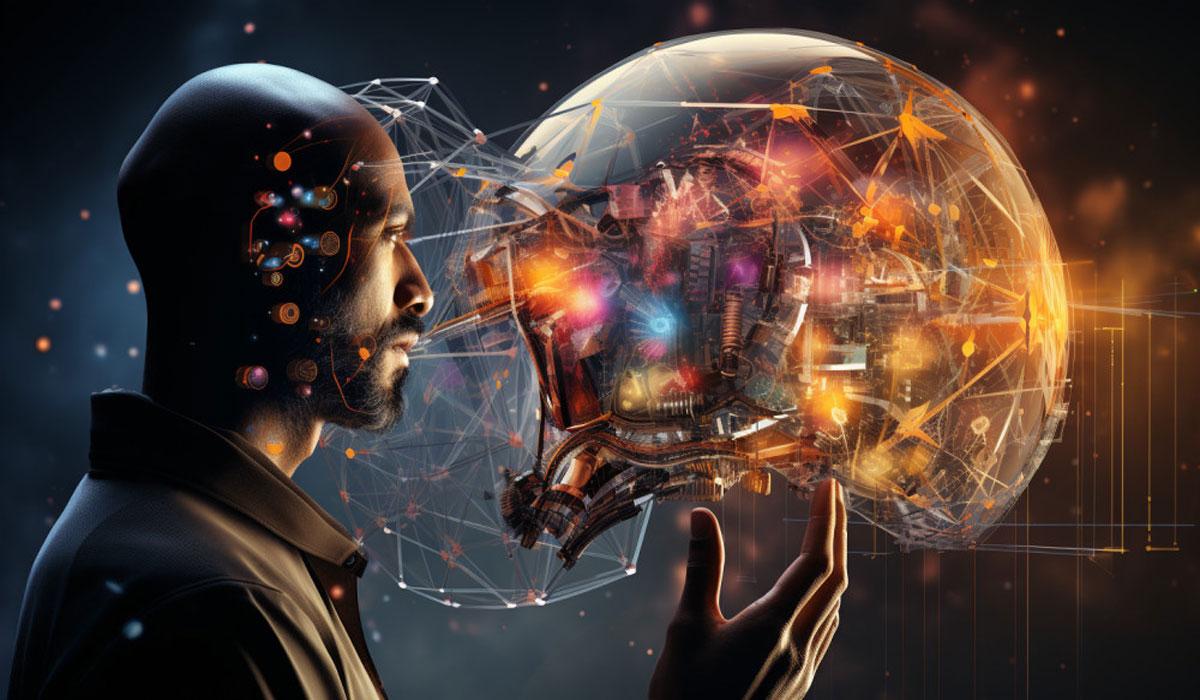
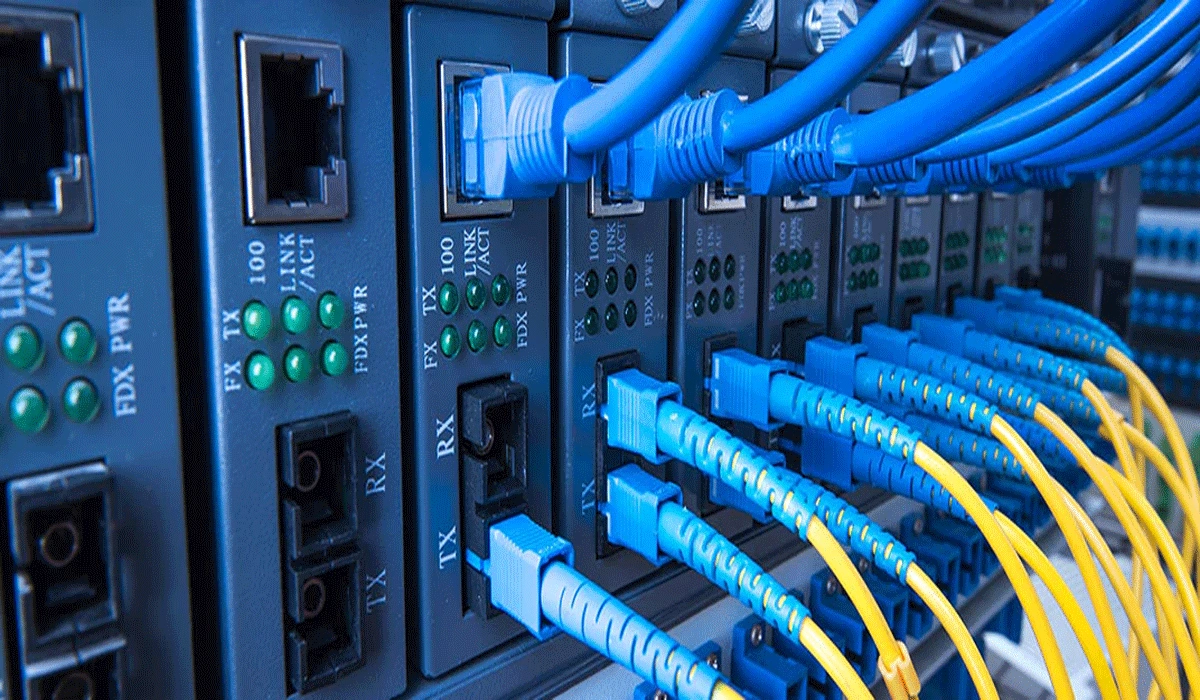
Technologies is evolving at an unprecedented pace, transforming how we live, work, and interact with the world.
From artificial intelligence to renewable energy innovations, cutting-edge technologies are redefining industries and shaping the future global landscape. Understanding these advancements is crucial for businesses, professionals, and individuals who want to stay ahead in a rapidly changing digital era.
In this article, It’s Time to Think About Wire media will explore the most impactful technologies that are shaping the future world.
Artificial Intelligence and Machine Learning Revolution
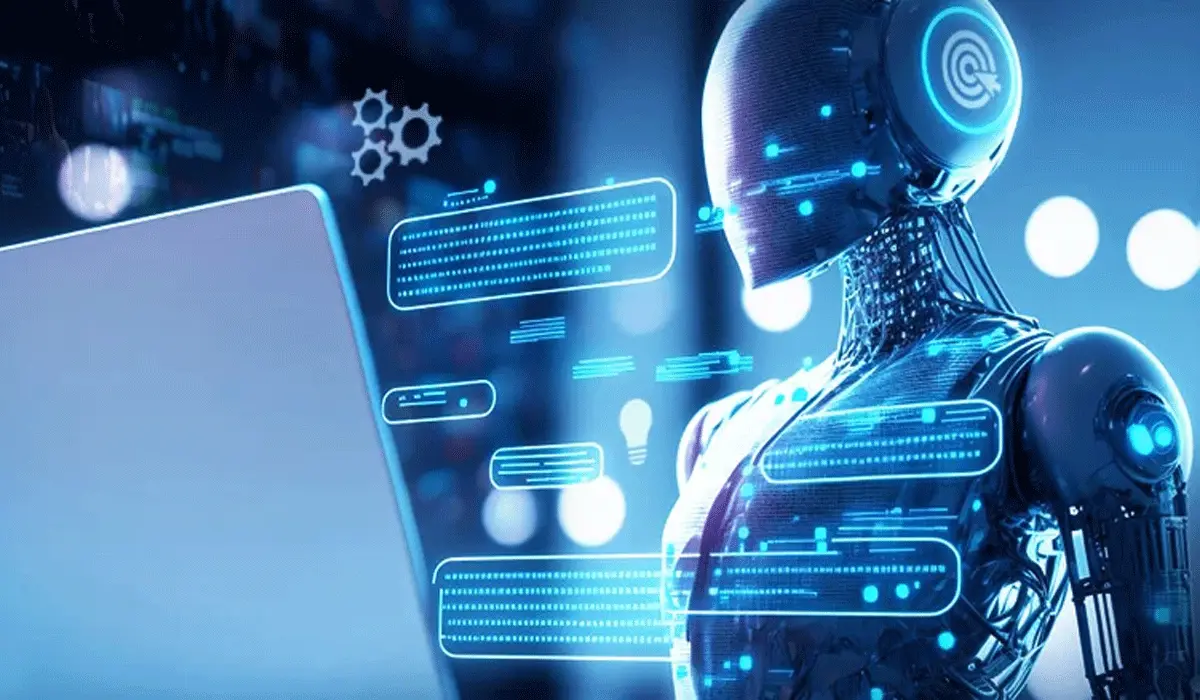
Artificial Intelligence (AI) and Machine Learning (ML) are at the forefront of technological transformation. These technologies enable machines to learn from data, recognize patterns, and make decisions with minimal human intervention. AI-powered applications are now widely used in healthcare, finance, e-commerce, and customer service.
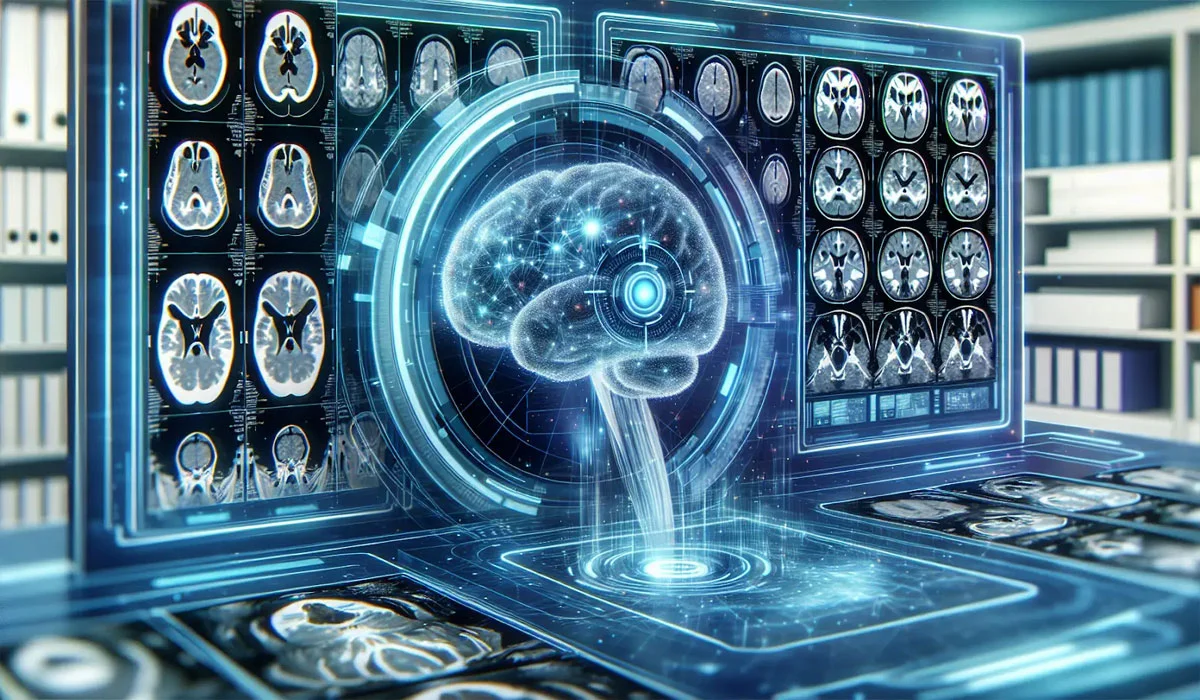
In healthcare, AI assists in early disease detection, personalized treatment plans, and robotic surgeries. In business, machine learning algorithms analyze consumer behavior to improve marketing strategies and enhance customer experience. As AI continues to evolve, ethical AI development and data privacy will become critical focus areas, ensuring that innovation remains responsible and inclusive.
Internet of Things (IoT) and Smart Connectivity
The Internet of Things (IoT) is creating a highly connected world where everyday objects communicate and exchange data seamlessly. Smart homes, wearable devices, and connected vehicles are just a few examples of IoT in action. These technologies improve efficiency, safety, and convenience in daily life.
In smart cities, IoT sensors optimize traffic flow, reduce energy consumption, and enhance public safety. Industries use IoT for predictive maintenance, reducing downtime and operational costs. As 5G networks expand globally, IoT adoption will accelerate, enabling faster data transfer and real-time decision-making across multiple sectors.
Read Also: Cultural Journey Through Morocco: Markets, Spices, and History
Blockchain Technology and Digital Trust
Blockchain technology is revolutionizing how data is stored, shared, and secured. Originally developed for cryptocurrencies like Bitcoin, blockchain now has applications across finance, supply chain management, healthcare, and digital identity verification.
Its decentralized nature ensures transparency, immutability, and enhanced security, making it ideal for building digital trust. Businesses are leveraging blockchain to prevent fraud, streamline transactions, and improve traceability. As blockchain continues to mature, it will play a vital role in decentralized finance (DeFi), smart contracts, and the future of digital governance.
Renewable Energy and Sustainable Technologies
Sustainability is a key driver of technological innovation. Renewable energy technologies such as solar, wind, and hydropower are becoming more efficient and cost-effective. Advances in battery storage, smart grids, and energy management systems are enabling a cleaner and more sustainable future.
Electric vehicles (EVs) are reducing dependence on fossil fuels, while green hydrogen and carbon capture technologies are addressing climate change challenges. Governments and corporations worldwide are investing heavily in sustainable technologies to achieve net-zero emissions. These innovations not only protect the environment but also create new economic opportunities and green jobs.
Extended Reality (AR, VR, and MR) and the Digital Experience
Extended Reality (XR), which includes Augmented Reality (AR), Virtual Reality (VR), and Mixed Reality (MR), is transforming how people interact with digital content. These immersive technologies are reshaping industries such as education, entertainment, real estate, and manufacturing.
In education, VR provides immersive learning experiences, while AR enhances real-world environments with digital overlays. Businesses use XR for virtual training, product visualization, and remote collaboration. As hardware becomes more affordable and software more advanced, extended reality will play a significant role in shaping the future of work and digital interaction.
Thank you for taking the time to read this article. Don’t miss other interesting information in It’s Time to Think About Wire Media.
Image Information Source:
- First Image from linkedin.com
- Second Image from linkedin.com