In today’s modern world, connected media has become an essential part of daily life and professional productivity.
Many individuals rely on digital communication, cloud based storage, and intelligent applications to complete tasks efficiently. When used wisely, these tools can create a smoother workflow and reduce unnecessary stress. However, constant connectivity can also create distractions if not managed properly.
The key It’s Time to Think About Wire media lies in developing habits that balance technology use with personal comfort and mental clarity.
The Influence Of Connected Media On Modern Work Culture
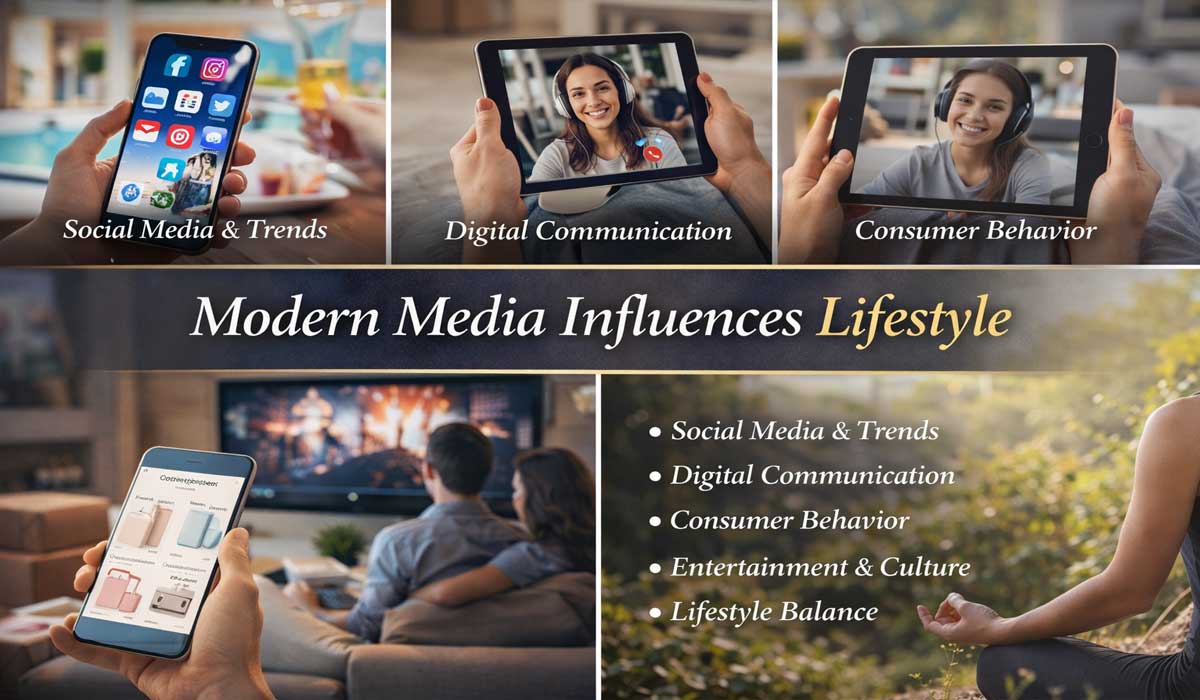
Connected media has transformed how people collaborate across distances. Employees can communicate instantly through various communication systems, share documents in real time, and participate in virtual meetings. This development allows flexible working arrangements that support personal lifestyles while maintaining professional performance. Instead of relying solely on physical meetings, many organizations now use digital communication tools to maintain teamwork efficiency. These changes make work more accessible and open opportunities for global collaboration.
At the same time, excessive dependence on digital communication can cause information overload. Notifications from multiple communication channels may interrupt concentration and reduce productivity. Therefore, workers need to establish clear boundaries between work time and personal time. Turning off unnecessary alerts and scheduling specific communication periods can help maintain focus. By managing media consumption wisely, professionals can enjoy the benefits of connectivity without sacrificing mental comfort.
Designing A Comfortable Workspace For Productivity
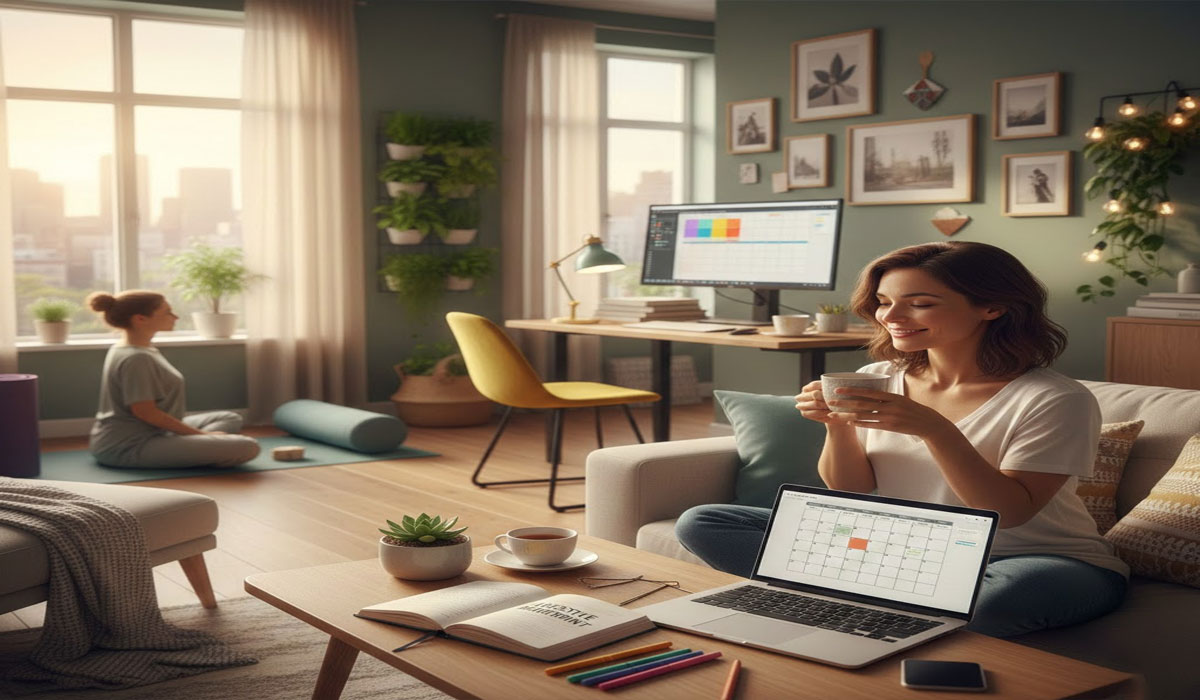
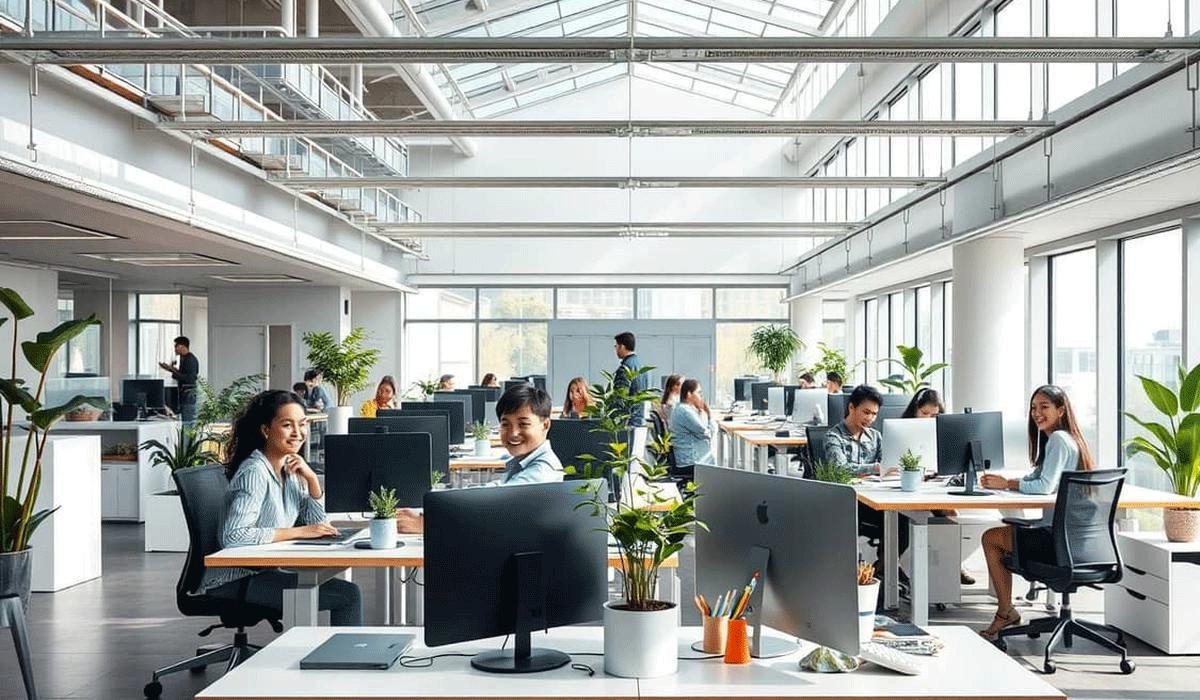
Workspace design plays a crucial role in supporting productive habits. A comfortable chair, proper lighting, and ergonomic desk arrangement can reduce physical fatigue during long working hours. Natural lighting is especially beneficial because it helps regulate mood and maintain energy levels throughout the day. Adding plants or simple decorations can also create a relaxing atmosphere that encourages creativity and positive thinking.
Digital organization is equally important as physical arrangement. Keeping computer files structured and removing unused applications helps maintain efficiency. Workers should also personalize their workspace with tools that support productivity, such as task management software and digital note applications. These tools help users track responsibilities and prioritize important assignments. When physical and digital environments are both well organized, productivity naturally increases without creating unnecessary pressure.
Communication Etiquette In The Digital Environment
Good communication etiquette is essential in maintaining professional relationships. When using digital communication systems, people should focus on clarity, politeness, and professionalism. Writing clear messages helps prevent misunderstandings and ensures that information is delivered effectively. Short but meaningful messages are often more effective than long explanations.
Respecting others’ time is another important aspect of digital communication. Sending messages during appropriate working hours shows professionalism and consideration. Additionally, using proper language and tone strengthens workplace relationships. Emojis and informal expressions may be acceptable in friendly contexts, but professional environments often require more formal communication styles. Maintaining respectful communication habits contributes to a harmonious work culture and improves teamwork performance across different departments.
Read Also: Wired For Success, How Wire Media Is Revolutionizing Education
Balancing Entertainment And Work Responsibilities
Entertainment plays an important role in maintaining emotional balance. Listening to music, watching educational videos, or engaging in creative hobbies can refresh the mind after long work sessions. Entertainment should not be viewed as a distraction but as a supportive element for maintaining motivation and creativity.
However, entertainment must be controlled to avoid reducing productivity. Setting specific entertainment schedules helps maintain discipline. For example, using short breaks between work sessions allows the brain to rest without losing focus on important tasks. Workers can apply time management techniques such as the Pomodoro method to balance work and relaxation. By managing entertainment activities wisely, individuals can maintain enthusiasm while still meeting professional targets.
Technology, Mental Health, And Personal Wellbeing
Technology can influence mental health positively or negatively depending on usage patterns. Positive usage includes accessing educational resources, developing professional skills, and maintaining social connections. These activities can improve confidence and provide emotional support in professional environments.
On the other hand, excessive screen time may cause stress and anxiety. Continuous exposure to fast paced information may overwhelm the mind. To maintain mental wellbeing, individuals should practice digital detox routines. Spending time outdoors, exercising regularly, and engaging in face to face social interactions help restore emotional balance. A healthy relationship with technology allows individuals to enjoy productivity without sacrificing personal happiness.
Future Trends Of Connected Media in Workspaces
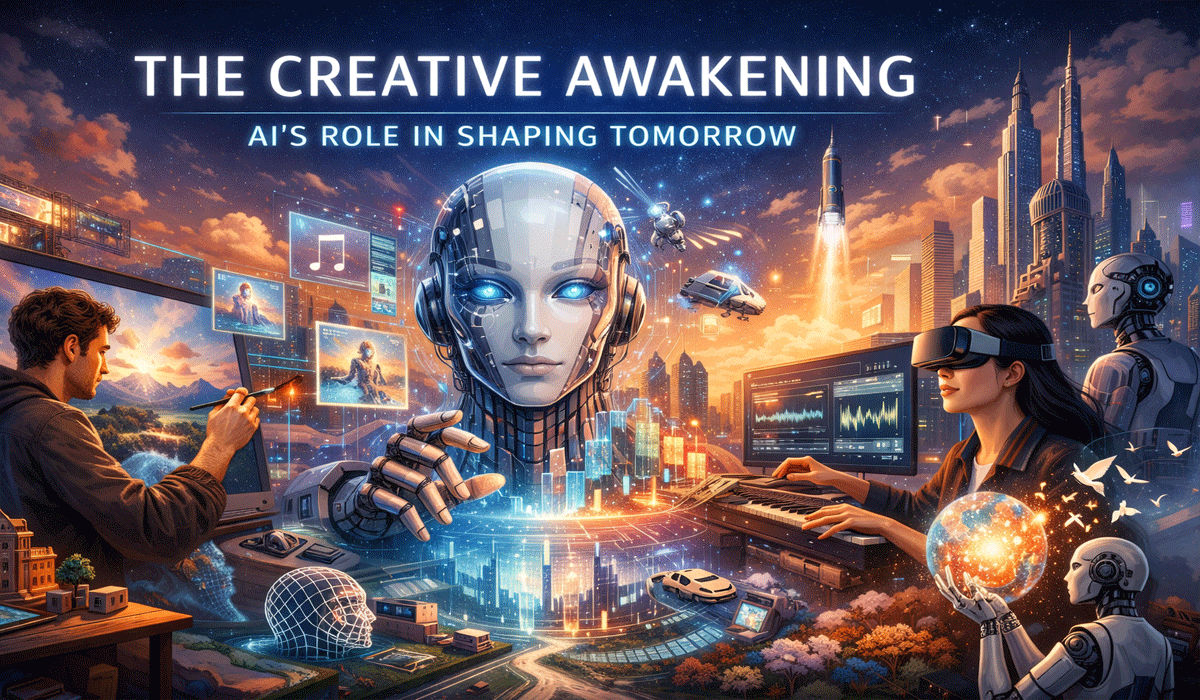
Future workspaces will likely become more intelligent and adaptive. Artificial intelligence systems may help automate repetitive tasks, allowing workers to focus on strategic thinking and creative problem solving. Smart communication systems will also improve collaboration efficiency across different regions and industries.
Remote working arrangements will continue evolving. Flexible schedules supported by advanced digital communication systems allow workers to maintain better lifestyle balance. Organizations will likely invest more in employee comfort technologies. These developments will create work environments that are not only productive but also emotionally supportive and sustainable for long-term career growth.
Conclusion
Connected media has reshaped modern lifestyles and professional productivity. When used properly, technology can improve communication efficiency and create more comfortable working environments. Individuals must learn to manage digital tools wisely to avoid excessive distractions.
Ultimately, productivity comes from balancing technology, comfort, and personal wellbeing. By designing better workspaces and maintaining healthy digital habits, people can achieve professional success while preserving personal happiness. The future It’s Time to Think About Wire media of work will depend on how well individuals integrate technology with human centered living principles.
Image Source:
First Image from www.netstar.id
Second Image from www.liputan6.com