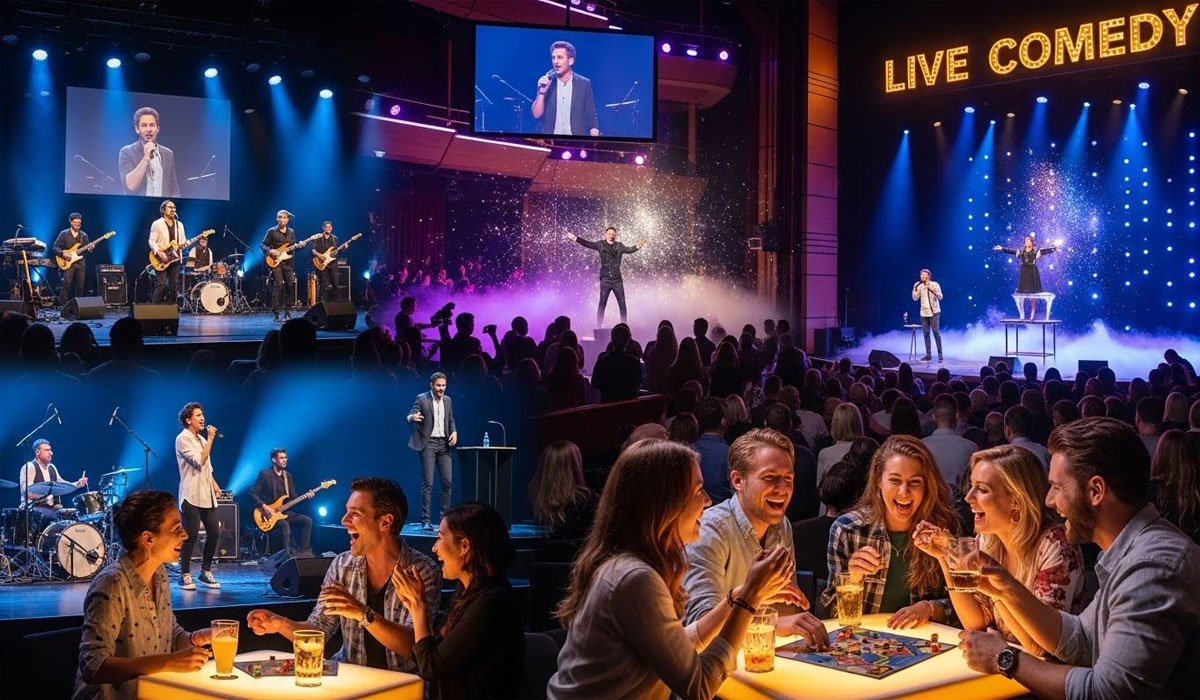
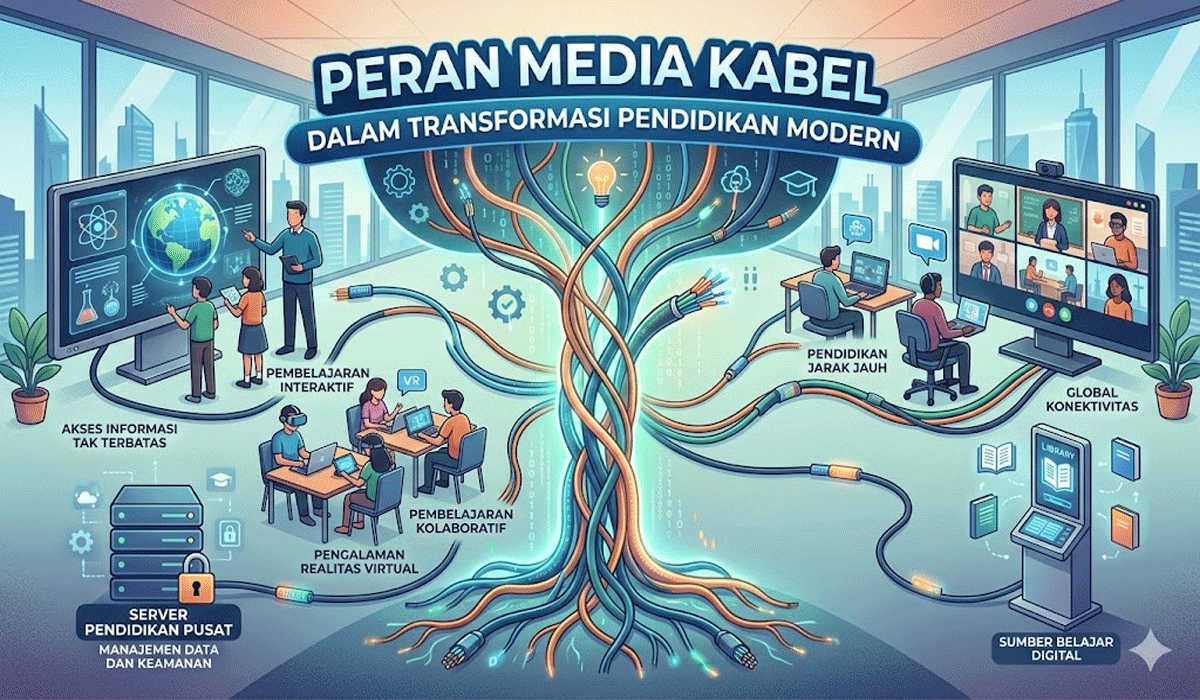
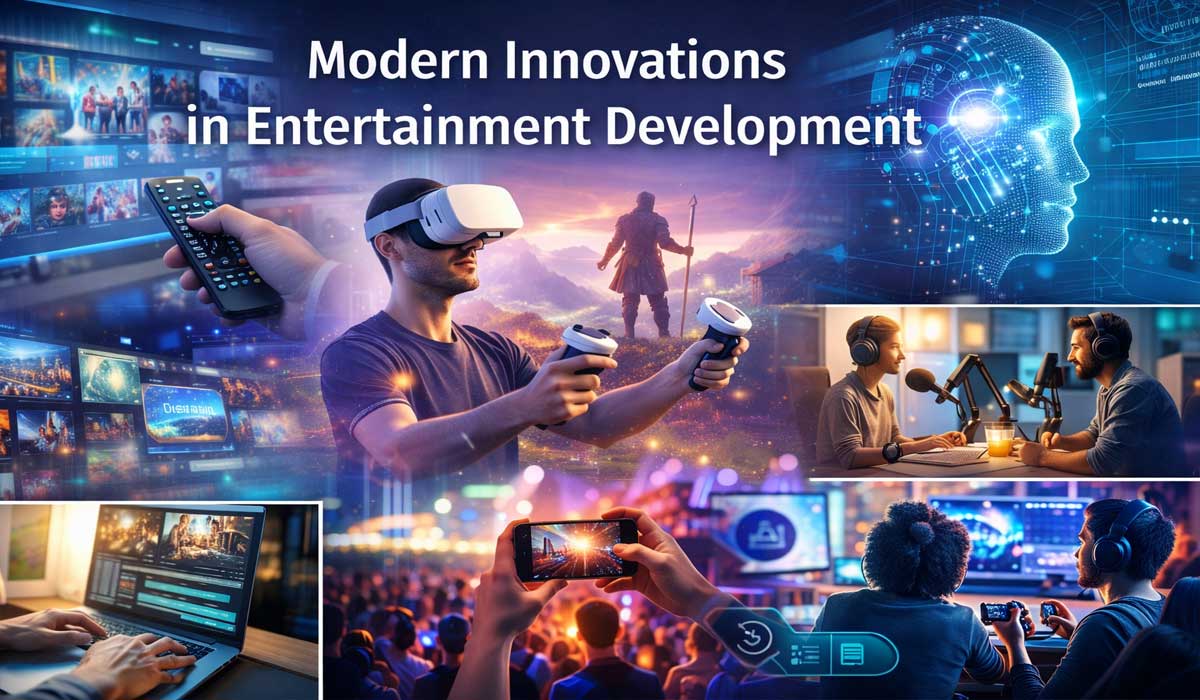
Live events in the virtual world of the future allow for interactive experiences that connect participants with digital technology.
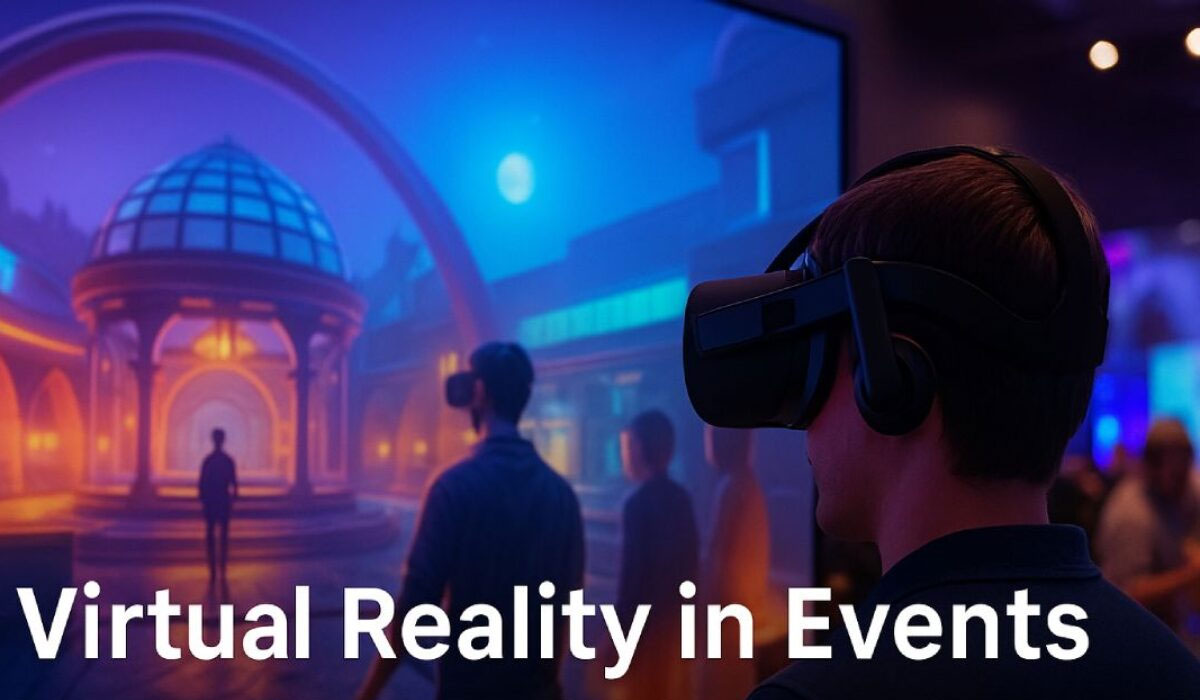
In the increasingly advanced digital age, the concept of live events has evolved beyond physical limitations. This article It’s Time to Think About Wire media, will explore various aspects shaping the future of virtual live events, from how technology is transforming the visitor experience to how the entertainment and business industries are leveraging it to create more dynamic and personalized events.
The Rise of Virtual Live Events
In recent years, live events have undergone a remarkable transformation, moving beyond traditional in-person gatherings to immersive virtual experiences. The global shift toward digital platforms, accelerated by the COVID-19 pandemic, has reshaped the way audiences engage with concerts, conferences, sports, and other live entertainment.
Virtual live events now leverage cutting-edge technologies like augmented reality (AR), virtual reality (VR), and real-time interactive streaming, allowing participants to feel present even from miles away. This evolution has not only expanded access but also democratized entertainment, enabling people worldwide to attend events that were once limited by geography or ticket availability.
Innovative Technologies Shaping the Experience
The core of virtual live events lies in technological innovation. VR headsets, haptic feedback devices, and 360-degree cameras create a sense of presence that rivals physical attendance. Platforms such as Meta’s Horizon, VRChat, and other metaverse-inspired spaces allow attendees to navigate virtual venues, interact with performers, and network with other participants in real-time.
Meanwhile, AI-driven personalization ensures that every viewer receives tailored content, from choosing camera angles to accessing exclusive behind-the-scenes material. These technologies combine to create experiences that are not only visually compelling but also emotionally engaging, redefining the boundaries of audience interaction.
Also Read: Music and Film: Two Entertainments That Clash with Creativity
Advantages Over Traditional Events

Virtual live events offer unique benefits compared to conventional in-person gatherings. For organizers, digital platforms reduce costs associated with venue rentals, travel, and logistics, while offering analytics on audience behavior and engagement. For attendees, accessibility is significantly improved, allowing people with disabilities, tight schedules, or financial limitations to participate without constraints.
Moreover, virtual environments allow creative experimentation: event organizers can design fantastical stages, interactive storytelling experiences, or gamified engagement elements that would be impossible in a physical setting. This flexibility opens doors to new forms of entertainment and audience participation that were previously unimaginable.
The Future of Immersive Engagement
Looking ahead, the integration of mixed reality, AI, and blockchain technology promises to further elevate virtual live experiences. Blockchain can secure digital tickets, offer exclusive virtual merchandise, and ensure authenticity in collectible items for fans. AI-powered avatars and chatbots will enhance personalized interactions, while haptic suits and multisensory experiences may allow participants to “feel” music, temperature, or environmental effects.
As these technologies mature, virtual live events are likely to coexist alongside physical events, offering hybrid experiences that combine the best of both worlds. The future of live entertainment is not only digital but immersive, interactive, and limitless, transforming the way we connect, celebrate, and experience culture on a global scale. Please visit us, sir, if you are interested in finding the latest and hottest topics in the news It’s Time to Think About Wire media.
Image Source:
First Image from: liveforce.com
Second Image from : fgpg.com