In today’s hyperconnected economy, businesses rely heavily on fast, stable, and secure data transmission.
While wireless technology continues to evolve, many organizations are rediscovering the strategic advantages of cable media. From operational efficiency to long-term cost savings, cable infrastructure offers a solid foundation for sustainable growth.
As companies scale their digital operations, it may be the right moment to reconsider cable-based networks as a smart and forward-looking investment. Below, It’s Time to Think About Wire media will provide interesting information that you must know.
The Reliability Advantage Of Cable Infrastructure
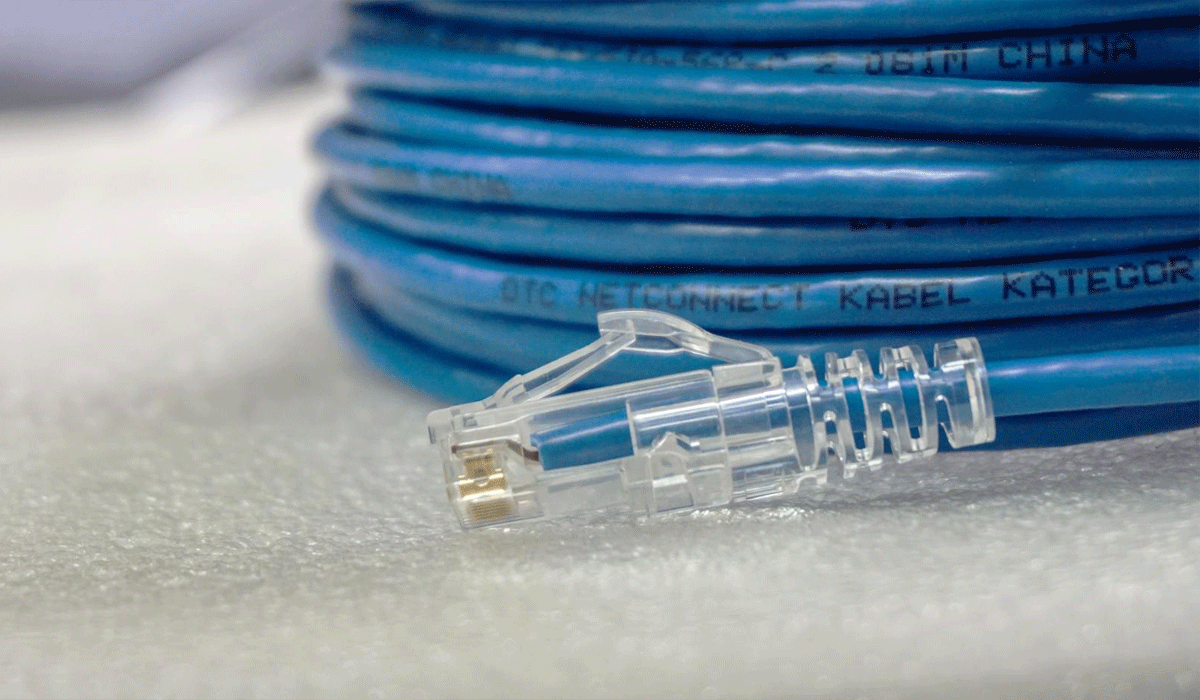
One of the strongest arguments for cable media is reliability. Unlike wireless connections that can be disrupted by interference, distance, or physical barriers, cable networks provide consistent performance. This stability is essential for businesses that depend on uninterrupted communication, cloud-based systems, and real-time data processing.
Reliable connectivity directly impacts productivity. When networks experience fewer interruptions, employees can collaborate seamlessly, customers receive faster service, and critical systems operate without delay. In sectors such as finance, healthcare, and manufacturing, even minor downtime can result in significant losses. Cable infrastructure reduces these risks by delivering dependable and predictable network performance.
Enhancing Data Security And Compliance
Data security remains a top concern for modern enterprises. Wireless networks, although convenient, are more vulnerable to unauthorized access if not configured properly. Cable media, on the other hand, offers an added layer of physical security because access requires direct connection to the network infrastructure.
For businesses handling sensitive information, such as customer records or proprietary data, this added protection is crucial. Cable-based systems can support stricter security controls and help organizations meet regulatory requirements. By minimizing exposure to external threats, companies strengthen their cybersecurity posture and build greater trust with clients and partners.
Cost Efficiency In The Long Run
At first glance, installing cable infrastructure may seem more expensive than relying solely on wireless solutions. However, when evaluated over the long term, cable media often proves to be more cost-effective. Its durability and lower maintenance needs reduce recurring expenses associated with troubleshooting and performance issues.
Moreover, stable connectivity minimizes productivity losses caused by network instability. Fewer disruptions mean fewer emergency IT interventions and less downtime. Over time, these operational savings can outweigh the initial installation costs. For growing businesses, investing in cable infrastructure becomes a strategic decision that supports financial sustainability.
Read Also: As the Digital World Booms, Cable Media Could Become King
Supporting High Performance Operations
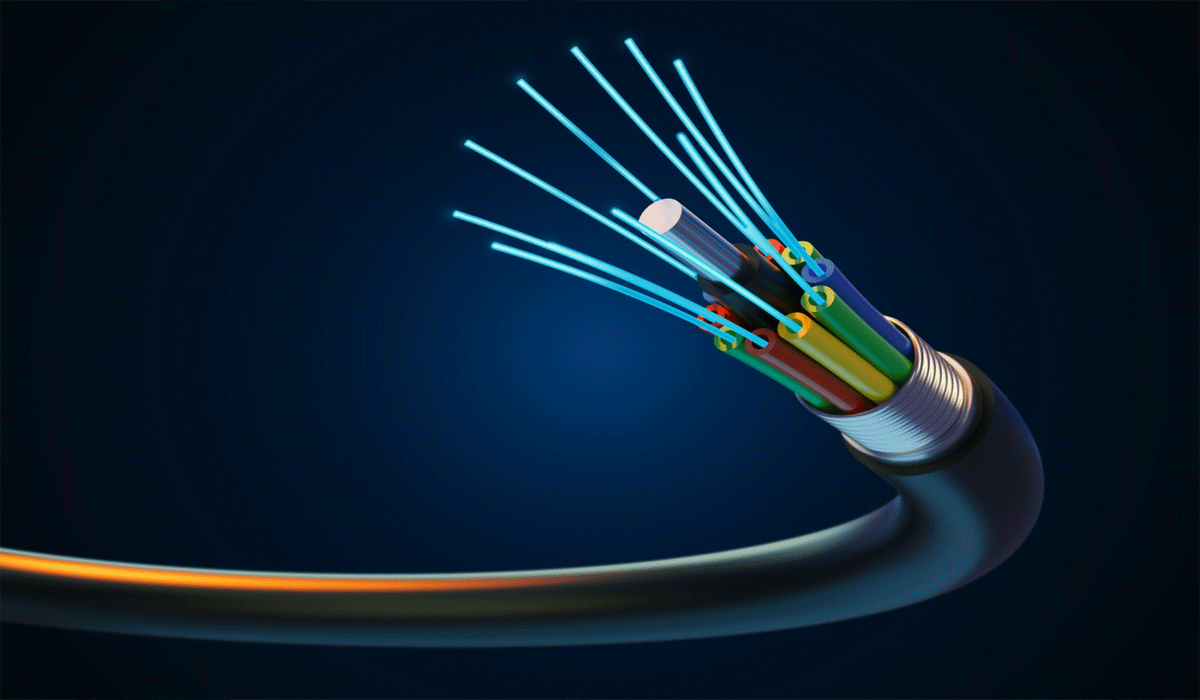
As businesses adopt data-intensive applications such as video conferencing, big data analytics, and automation systems, network demands increase significantly. Cable media, particularly fiber optic solutions, can deliver high bandwidth and low latency, ensuring smooth and efficient operations.
High-performance connectivity also enhances customer experience. Faster transaction processing, reliable online services, and seamless communication channels contribute to a stronger brand reputation. By upgrading to cable-based networks, companies equip themselves to handle increasing digital workloads without compromising speed or quality.
Building A Scalable Foundation For Growth
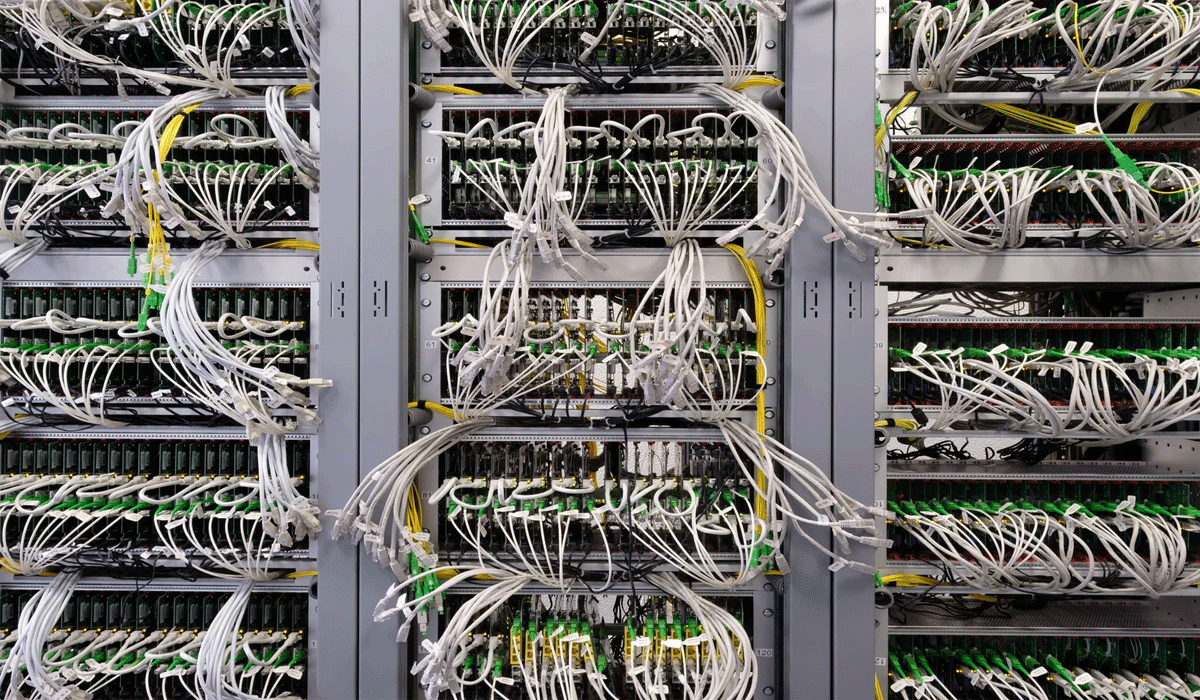
Business growth often brings more devices, more users, and more complex digital ecosystems. Cable infrastructure provides a scalable backbone that can accommodate expansion without sacrificing performance. Structured cabling systems, for example, are designed to support future upgrades and technological advancements.
Scalability ensures that companies are not forced to overhaul their entire network every few years. Instead, they can expand strategically, adding capacity as needed. This flexibility allows decision-makers to align technology investments with long-term goals, ensuring that the network remains a growth enabler rather than a constraint.
Conclusion
Shifting to cable media is not about rejecting wireless innovation but about building a balanced and resilient infrastructure. With enhanced reliability, stronger security, long-term cost efficiency, high performance, and scalability, cable solutions offer compelling advantages for modern businesses.
As digital demands continue to rise, now is the time for organizations to rethink their connectivity strategy and invest in a stable foundation that supports sustainable success It’s Time to Think About Wire media.
Image Source:
First Image from generalsolusindo.com
Second Image from csirt.teknokrat.ac.id