In the ever-evolving digital era, the need for a fast, stable, and secure internet connection is increasingly becoming a priority in modern life.
From remote work and digital entertainment to global business transactions, network quality is a key foundation for supporting productivity and data security worldwide. Therefore, understanding the critical role of cable as one of your connectivity solutions is increasingly relevant for the future of communications technology. In this discussion, It’s Time to Think About Wire media we explore how the growing importance of stable digital connectivity, modern technology, and functional infrastructure also influences the way dream homes are designed, combining comfort, creativity, and advanced communication needs.
Cable Media & Its Role in Modern Digital Life
Cable media remains one of the most reliable solutions for modern digital communication. As remote work, online learning, and video streaming become part of daily life, people need stable internet connections. Cable technology provides stronger and more consistent signals compared to wireless alternatives. This makes it highly useful for homes and businesses that depend on uninterrupted data flow.
In daily digital activities, speed and stability are equally important. Cable connections allow faster data transfer, especially when handling large files or high-quality video conferences. Businesses that operate using cloud-based systems benefit greatly from this technology. Employees can work more efficiently without worrying about sudden connection drops during important tasks.
Security is another major advantage of cable networks. Because cable transmission is more enclosed, it is harder for hackers to intercept data. Many organizations still choose cable infrastructure to protect sensitive information. In today’s digital world, protecting data is as important as accessing it quickly.
Why Businesses Depend on Cable Technology
Modern businesses rely heavily on strong communication systems. Cable media supports various business operations, from online transactions to customer service platforms. Companies need reliable networks to maintain customer satisfaction and operational efficiency. Even small network disruptions can cause financial losses and damage business reputation.
Financial institutions especially depend on cable networks. Banking systems require accurate and secure transactions every second. Cable technology helps maintain transaction integrity and prevents data errors. Customers trust companies that can provide safe and stable digital services.
Although installing cable infrastructure can be costly at first, it offers long-term benefits. Maintenance costs are relatively low compared to frequent wireless network upgrades. Many companies consider cable technology a smart long-term investment for their digital transformation strategies.
Read Also: Save on Home Renovation Costs Without Sacrificing Quality
Technology Advancements in Cable Networks
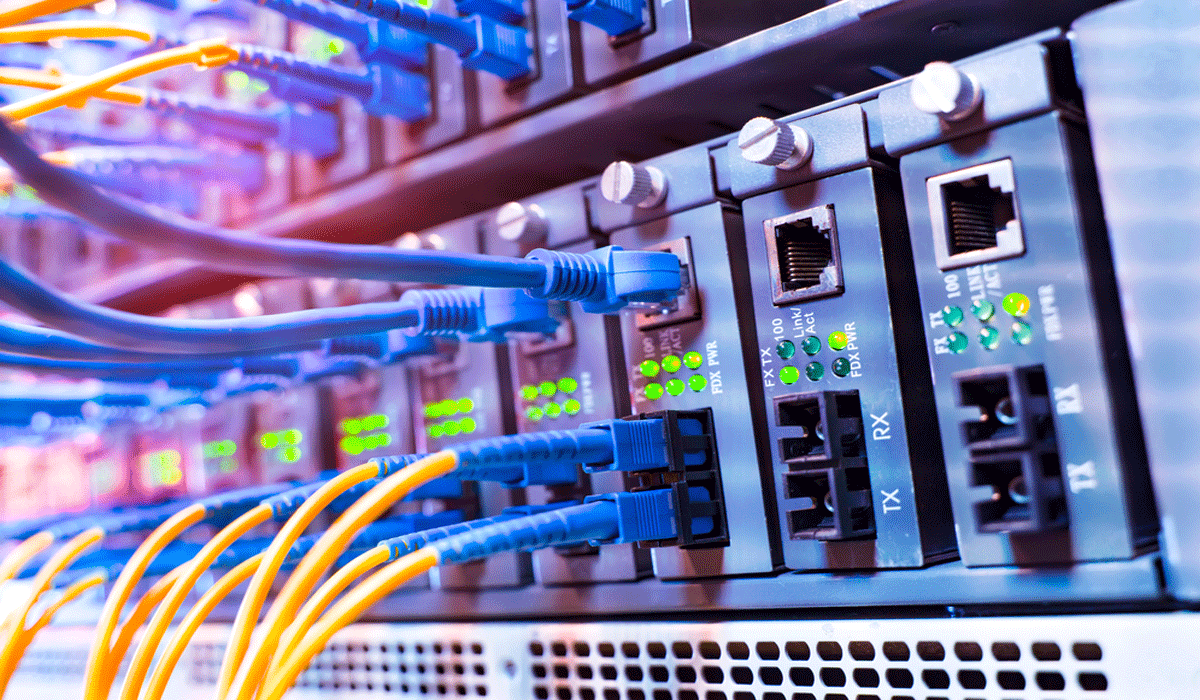
Cable technology continues to evolve with modern innovations. One of the most important developments is fiber optic technology. This technology allows data to travel through light signals instead of electrical signals. As a result, data transmission becomes much faster and more efficient.
Fiber optic cables also reduce signal loss during transmission. This is especially useful for long-distance communication systems. Internet service providers are now expanding fiber optic networks to improve user experience. Faster internet speeds help support modern digital services such as cloud computing and online gaming.
Future cable technologies will likely become more flexible and environmentally friendly. Engineers are developing lighter and stronger cable materials. These improvements help reduce installation costs and environmental impact while improving performance.
The Global Future of Cable Connectivity
The future of digital communication will still depend on cable infrastructure. Many countries are investing in high-speed cable networks to support economic growth. Strong digital infrastructure is essential for global business competition and technological development.
Cable and wireless technologies will likely work together in the future. This combination will create smarter and more flexible communication systems. Users will enjoy both mobility and stability in their digital experiences.
As data consumption continues to grow worldwide, cable media will remain essential. Digital transformation requires strong foundations, and cable technology provides that stability. The future of connectivity will rely on innovation and reliable infrastructure.
Cable Media as a Digital Foundation
Cable media is not an outdated technology but a strong foundation for modern connectivity. Its advantages in speed, security, and stability make it essential in today’s digital world. Businesses and individuals both benefit from this reliable technology. As digital demands continue to increase, cable media will remain an important part of global communication systems. Investing in cable infrastructure means investing in a safer and more connected digital future.