In today’s smart home era, having a fast and stable connection is no longer an option, it is truly essential to support daily activities.
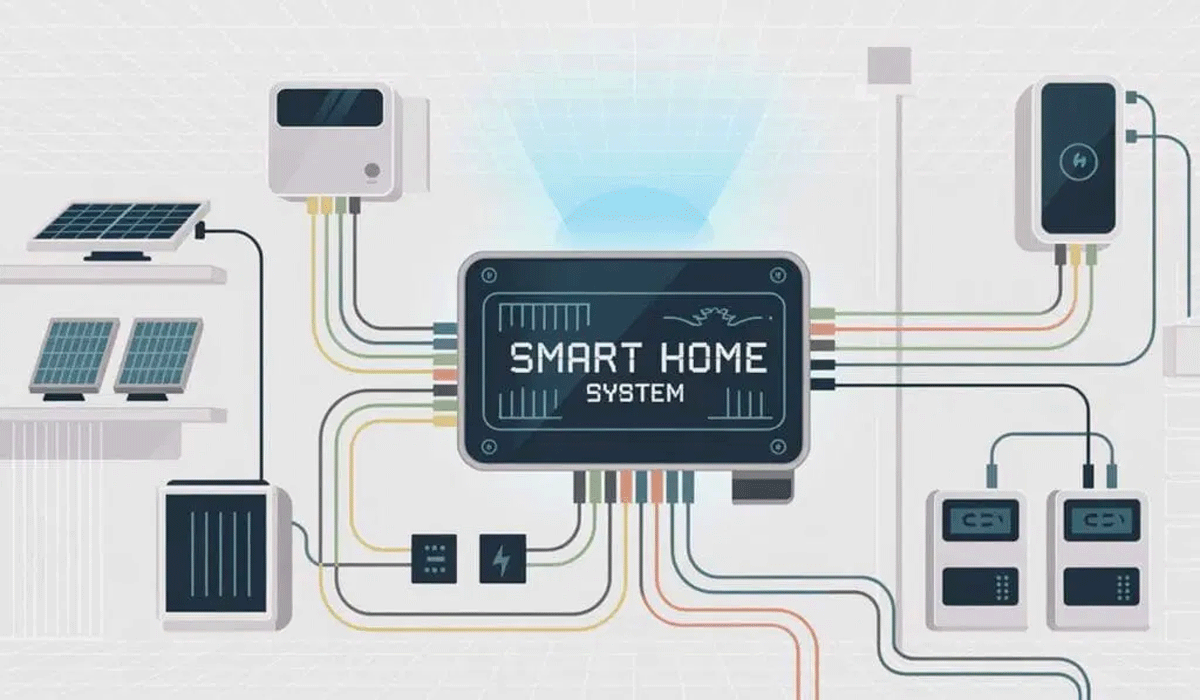
While many people focus on buying the latest gadgets, they often overlook the foundation that supports everything the cable system. Choosing the right media cables can make your home more reliable, efficient, and ready for future technology. This article It’s Time to Think About Wire media will explore why cable-based media remains an important backbone of modern home connectivity, enabling faster, more stable, and reliable communication for today’s smart living.
The Hidden Backbone of a Smart Home
In today’s smart home era, people often focus on buying the latest gadgets, from smart TVs to voice assistants. However, what truly supports all these devices is a strong and stable network. This is where cable media plays a crucial role. Without a reliable wired connection, even the most advanced technology can fail to perform properly. Unlike wireless connections, cables provide consistent speed and stability.
They are not easily affected by walls, distance, or interference from other devices. This makes them ideal for activities like video streaming, online gaming, and remote work, where interruptions can be frustrating. A well-planned cable system ensures that every part of your home stays connected. It acts as the foundation that allows all smart devices to communicate smoothly, making your home more efficient and future-ready.
Understanding Different Types of Cables
There are several types of cables commonly used in homes, each with its own strengths. The most popular one is UTP (Unshielded Twisted Pair), which is widely used for internet connections due to its affordability and ease of installation. It is suitable for most everyday needs. Another advanced option is fiber optic cable. This type uses light to transmit data, making it extremely fast and reliable.
It is perfect for homes that require high bandwidth, such as those with multiple users or heavy internet usage. Coaxial cables are also still used, especially for television and certain internet services. Choosing the right type of cable depends on your specific needs, budget, and how you plan to use your network at home.
Read Also: How To Safely Repair Damaged Electrical Cables At Home
Matching Cables to Your Home Needs
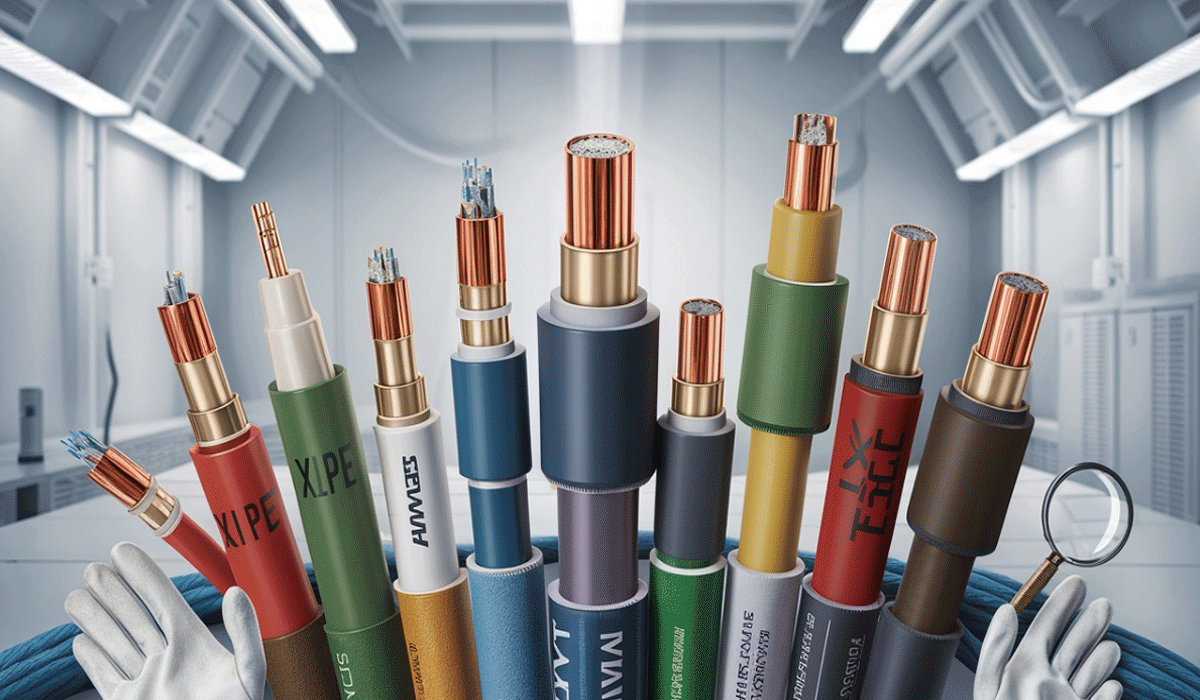
Every home has different connectivity requirements. A small household with basic internet use may only need standard cables like Cat5e or Cat6. These are sufficient for browsing, streaming, and light online activities. However, larger homes or those filled with smart devices may require higher-grade cables or even fiber optics.
These provide faster speeds and better performance, especially when multiple devices are connected at the same time. Planning your cable layout is equally important. Organizing cables neatly and placing them strategically can make maintenance easier and improve overall network efficiency. A good plan today can save time and money in the future.
Proper Installation for Maximum Performance
Choosing the right cable is only half the job; proper installation is just as important. Poorly installed cables can lead to signal loss, interference, and reduced performance. For example, placing network cables too close to electrical wiring can cause disruptions.
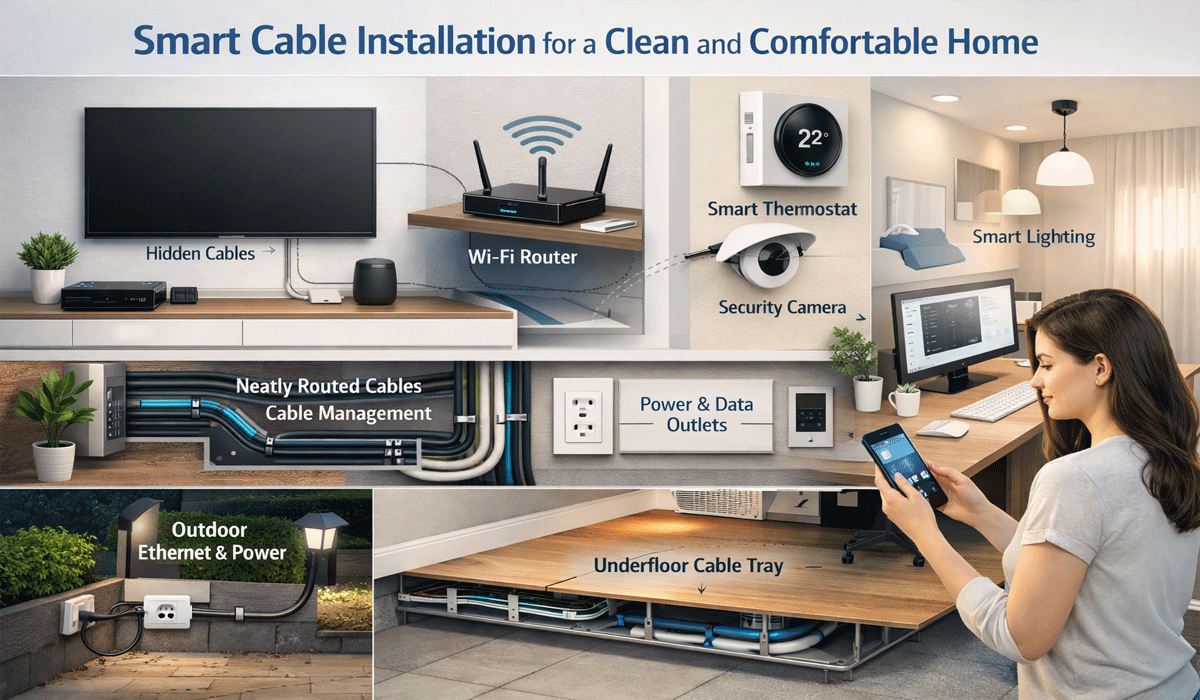
Neat and structured installation not only improves performance but also keeps your home looking clean and organized. Hidden cables or properly managed wiring systems can enhance both function and aesthetics. Hiring professionals for installation can be a smart decision. They understand the best practices and standards, ensuring that your network runs smoothly and reliably for years to come.
A Long-Term Investment in Future Technology
Installing the right cable system is not just about meeting current needs it is about preparing for the future. As technology continues to evolve, the demand for faster and more stable internet will only increase. A strong cable infrastructure ensures that your home can easily adapt to new devices and innovations. This makes it a valuable long-term investment, especially for homeowners who want to stay ahead in the digital age.
In addition, a well-connected home can increase property value. Buyers and renters are more attracted to homes with reliable internet systems. This makes cable media not just a technical choice, but also a strategic one for modern living.
To better understand the connectivity of modern smart homes and digital infrastructure, explore how reliable wired cabling systems support speed, stability, and future-ready home networks, helping to create a strong foundation for advanced technology in everyday life.
Image Source:
- First Image from newcenturysalesinc.com
- Second Image from www.meteorelectrical.com