In today’s rapidly evolving digital era, education is undergoing significant and transformative changes that affect learning methods globally.
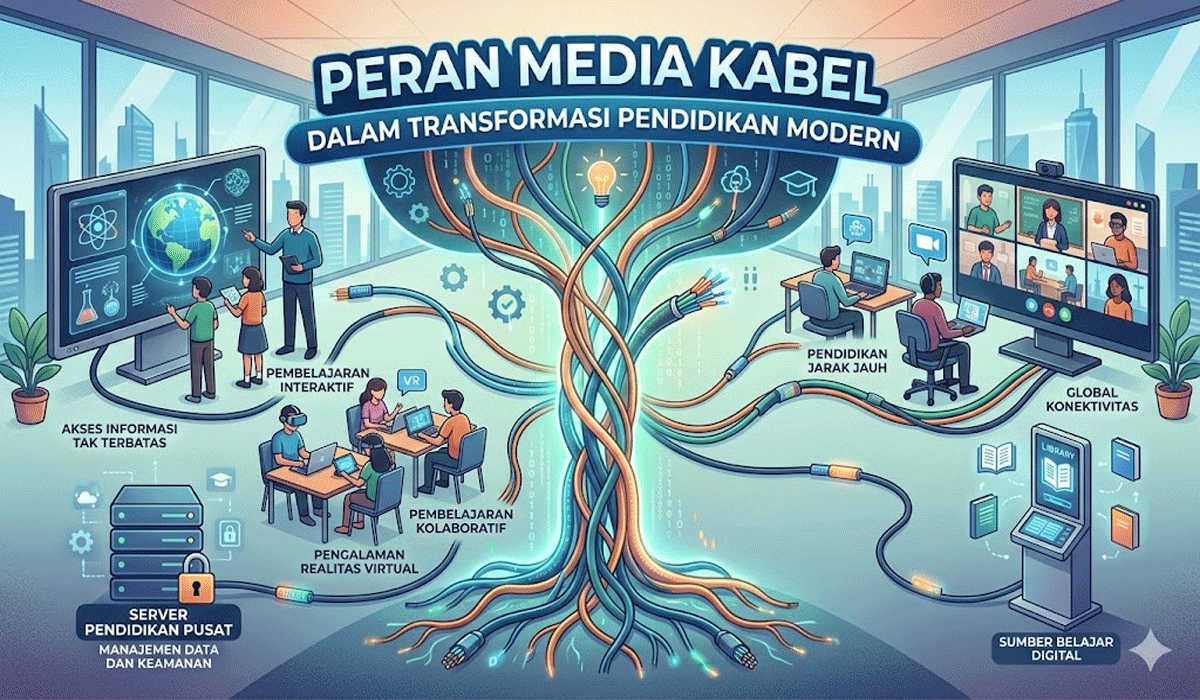
Technology is no longer merely a supplementary tool; it has become the backbone of the learning process. One crucial element that is often overlooked is wired media. Although wireless connections are increasingly popular, wired media still plays a strategic role in creating a stable, fast, and secure learning environment.
From classrooms to computer labs, the presence of wired connections supports various educational activities, from accessing digital materials to conducting online assessments. Below, It’s Time to Think About Wire media will provide interesting information that you must know.
Reliable Connectivity For Digital Learning
One of the main challenges in modern education is ensuring stable and fast internet connectivity. Many schools and universities rely on online learning, video streaming, and interactive platforms. Wired media offers a more reliable solution compared to wireless networks. With wired connections, the risk of signal interruptions or speed fluctuations is minimized, allowing the learning process to continue smoothly. This is particularly important for content that requires large data transmissions, such as educational videos and interactive simulations.
In addition to speed, data security is also a major concern. Wired connections are generally more difficult to access illegally compared to wireless networks. For educational institutions, this means that students’ data, test results, and academic information can be better protected. With the stability and security offered by wired media, teachers and students can focus on teaching and learning activities without being disrupted by technical issues.
Enhancing Efficiency In Labs And Classrooms
Modern computer labs and classrooms rely on multiple devices being connected simultaneously. Wired media enables stable simultaneous connections, reducing the risk of lag or network interruptions. This directly impacts learning efficiency, as teachers can deliver interactive lessons, and students can follow digital exercises without obstacles. With wired connections, transferring large files, accessing educational software, and using collaborative platforms become faster and smoother.
Moreover, network management in schools becomes more straightforward. Administrators can monitor and regulate data traffic centrally, ensuring that every device receives sufficient bandwidth. This allows educational institutions to maximize available resources and reduce downtime caused by network disruptions, keeping teaching and learning activities productive.
Read Also: Wired for the Future, Why Cable Media is the Backbone of Modern Technology
Supporting Interactive And Multimedia Learning
Modern learning increasingly relies on multimedia content, such as educational videos, animations, and interactive simulations. For an optimal learning experience, a network capable of handling large data streams without delay is required. Wired media, with its high capacity and speed, ensures that multimedia content can be accessed smoothly by all students. This allows project-based learning and digital experiments to be implemented more effectively.
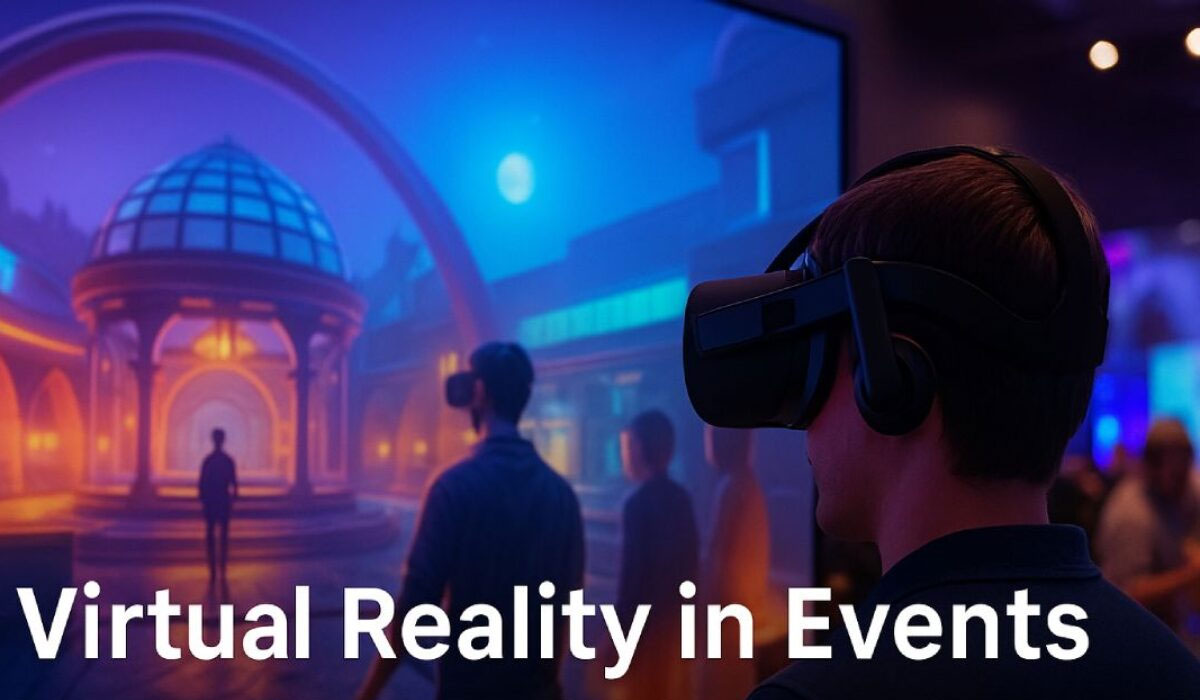
Wired media also facilitates the use of advanced technologies such as augmented reality (AR) and virtual reality (VR) in education. Both technologies require fast and stable data transmission to ensure seamless digital interaction. With a reliable wired connection, teachers and students can leverage these technologies without disruption, creating a more immersive and enjoyable learning experience.
The Role Of Wired Media In Remote Learning
Remote learning has become an integral part of modern education. To ensure effective online learning, stable connectivity is crucial. Wired media provides speed and consistency that are difficult to achieve with wireless networks, especially in environments where multiple devices are connected simultaneously. With wired connections, video conferences, interactive discussions, and online assessments can run smoothly without technical interruptions.
Furthermore, wired media helps educational institutions expand the reach of their learning programs. Schools and universities can connect various facilities, such as classrooms, labs, and digital resource centers, through a consistent network. This enables teachers to manage virtual classes more effectively and provide equal access for all students, enhancing the overall quality of education.
Infrastructure Investment For The Future
Relying on wired media is a strategic step in preparing education for the future. A strong infrastructure allows schools to adapt to new technologies, including cloud-based learning management systems and virtual labs. Initial investments in wired connections may seem high, but the long-term benefits, such as network stability and ease of management, make it worthwhile.
Additionally, wired media prolongs the lifespan of educational technologies in use. Hardware and software can operate optimally without network-related issues, reducing the need for frequent and costly upgrades. With well-planned infrastructure, educational institutions can focus on innovating teaching methods and improving instructional quality, making education more effective and sustainable.
Conclusion
Wired media plays a crucial role in the transformation of modern education. From connectivity reliability to supporting multimedia learning, wired connections form a foundation that allows teaching and learning activities to run effectively and efficiently. The stability and security they offer enable educational institutions to maximize technology without worrying about technical disruptions.
Investing in wired media is a long-term strategy that supports the development of educational infrastructure. With proper planning, wired connections help schools provide interactive, immersive, and equitable learning experiences for all students, preparing them to face the challenges of future education.