Wired media is transforming education by providing fast, reliable, and secure connections for the modern classroom.

From seamless online lessons and collaborative projects to immersive virtual labs, wired networks ensure students and teachers stay connected without interruption. By reducing latency, enhancing security, and supporting advanced learning technologies, wired media empowers schools to deliver innovative educational experiences.
This article, It’s Time to Think About Wire media will discuss preparing students for the future with a robust and reliable network that makes learning engaging, interactive, and efficient every day.
The Foundation of Modern Learning
Education today relies heavily on technology, but without reliable connections, even the most advanced tools can fall short. Wire media, such as Ethernet cables and fiber optics, forms the backbone of digital learning environments, ensuring smooth, uninterrupted access to online resources, virtual classrooms, and collaborative tools.
A wired connection reduces interruptions and lags that often occur in wireless networks. When multiple students access online lessons simultaneously, Wi-Fi can become crowded, leading to slow loading times or dropped calls. Wire media eliminates this problem, allowing teachers and students to focus on learning rather than connectivity issues.
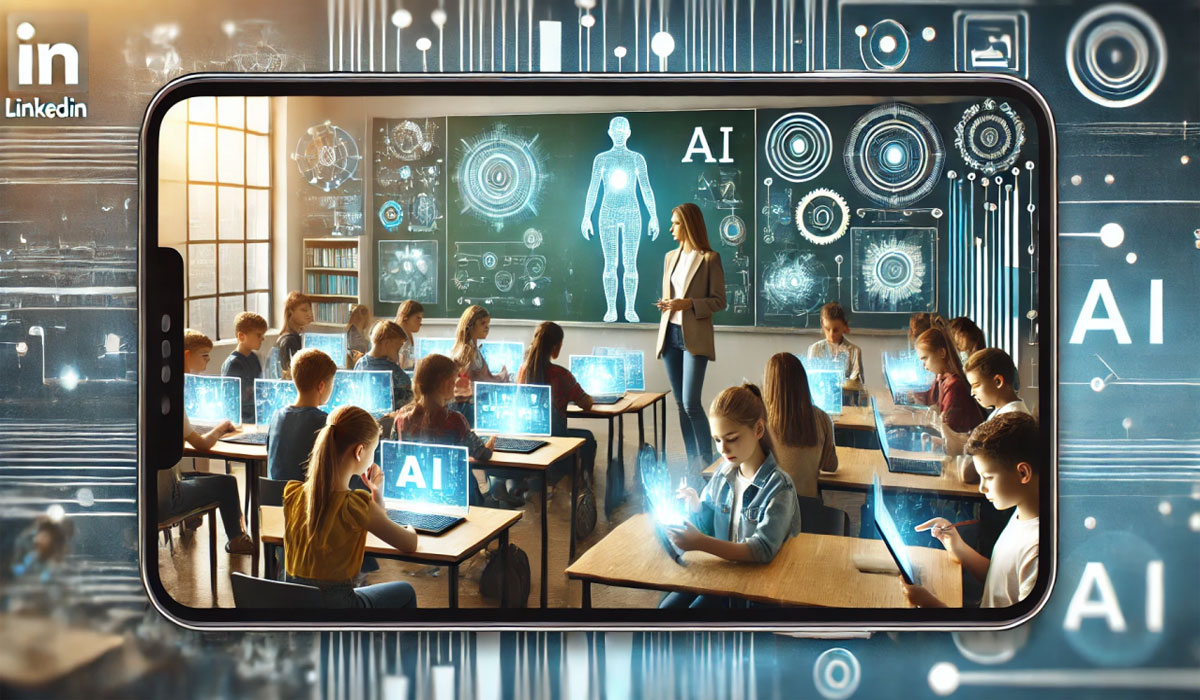
Investing in wire media also future-proofs educational institutions. As technology becomes more integral to teaching, having a robust wired infrastructure ensures schools can adopt new tools, such as AI-powered learning platforms, interactive displays, and virtual reality experiences, without worrying about network limitations.
Faster, Smarter Classrooms
Speed is critical in modern education. High-speed wired connections allow seamless streaming of educational videos, online assessments, and interactive lessons. With fast data transfer, teachers can run multiple applications at once, and students can collaborate online without interruptions, making learning more efficient and enjoyable.
Wire media also reduces latency, which is especially important for real-time learning activities like video conferencing and live quizzes. Low latency ensures that communication between teachers and students is instant, creating a more interactive and engaging classroom environment.
Reliability is another major benefit. Wired networks are less susceptible to interference from other devices or networks, guaranteeing stable connections for critical educational applications. This means lessons proceed smoothly, digital exams run without glitches, and remote learning becomes as effective as in-person sessions.
Enhancing Collaborative Learning

Collaboration is a key component of modern education. Wire media makes group projects and online discussions seamless by providing stable connections for multiple devices at once. Students can work together in real time, share large files quickly, and access cloud-based platforms without delays.
Teachers also benefit from wired networks when managing classrooms. They can monitor students’ progress on shared platforms, conduct live polls, and guide interactive activities efficiently. Wire media ensures that digital collaboration tools function smoothly, making learning more engaging and productive.
In addition, wired connections support hybrid learning models. Students attending remotely can participate just as effectively as those in the classroom, bridging gaps in access and fostering inclusivity. By empowering collaborative learning, wire media helps students develop teamwork, communication, and critical thinking skills essential for the modern world.
Security and Reliability for Schools
Digital learning comes with security challenges, from protecting sensitive student data to preventing unauthorized access to networks. Wired connections are inherently more secure than wireless alternatives, offering schools greater control over their networks. This reduces the risk of cyberattacks, ensuring that both students and teachers can work safely.
Reliability is equally important. Wired networks maintain consistent connectivity, preventing disruptions that can affect exams, online assignments, or video lessons. This dependable performance allows educators to integrate technology confidently into their teaching methods.
Furthermore, a wired infrastructure supports future upgrades without extensive rewiring or complicated setups. Schools can expand their technology offerings, add smart classrooms, and adopt next-generation educational tools with minimal hassle. Security and reliability combine to make wire media a long-term investment in effective and safe learning.
Preparing Students for a Connected World
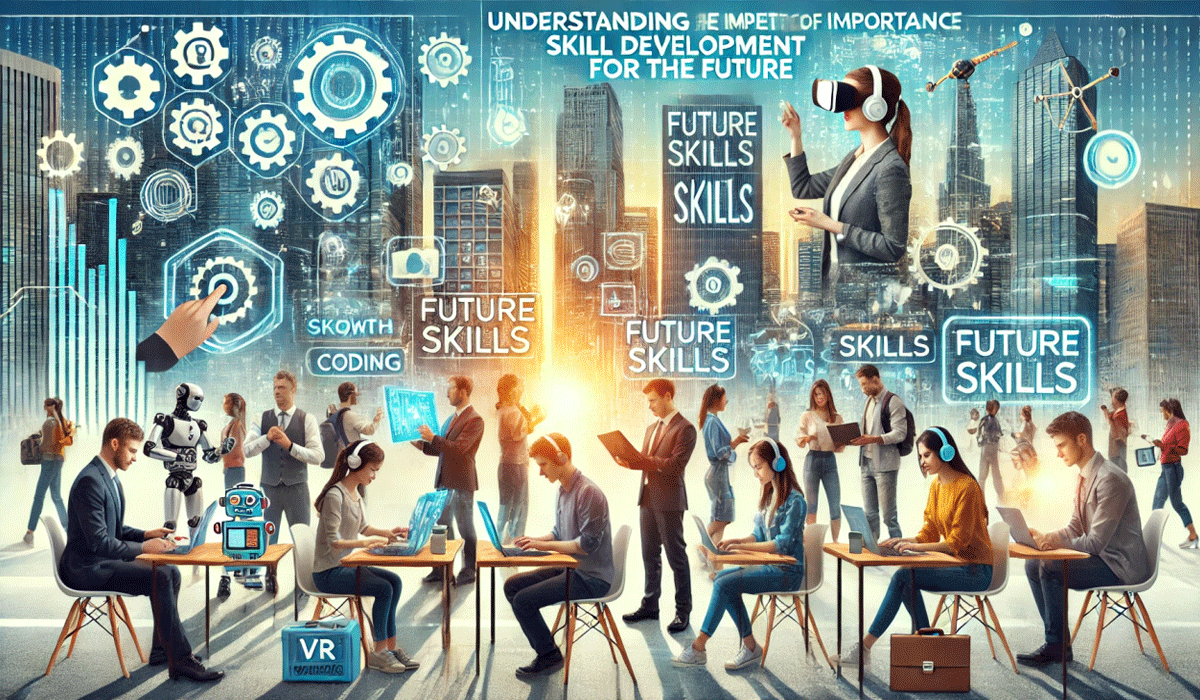
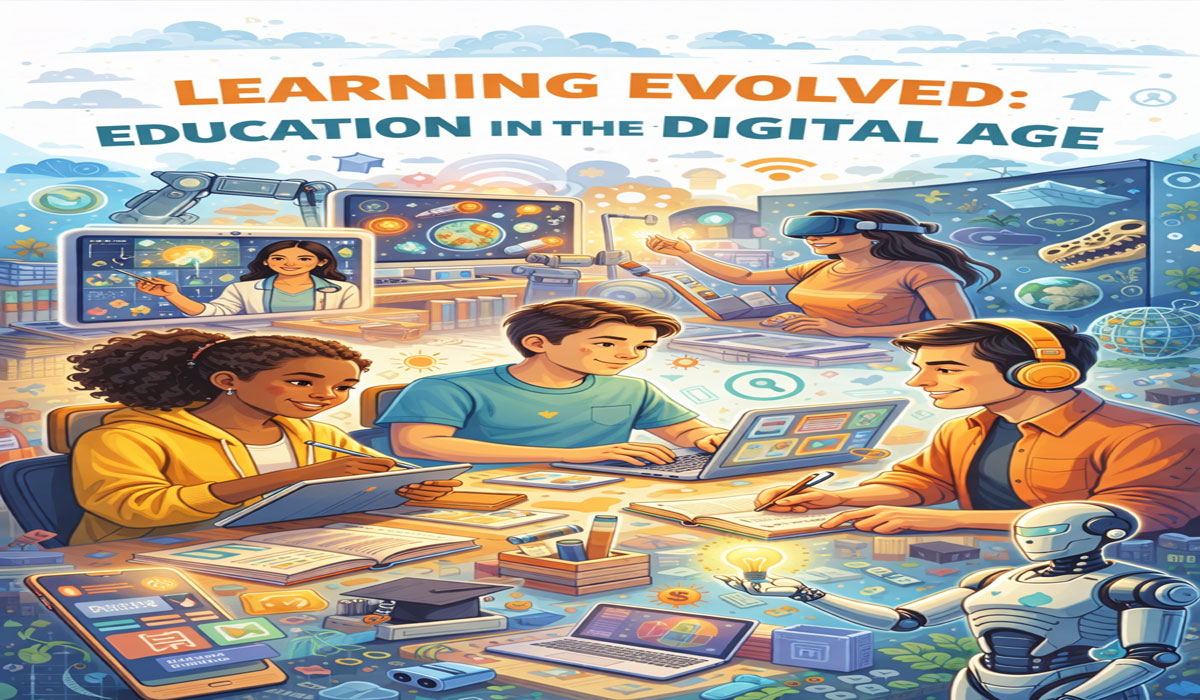
Education is no longer confined to textbooks and blackboards. Students need exposure to technology to succeed in the modern workforce. Wire media enables immersive learning experiences, from virtual labs to real-time coding exercises and interactive simulations. Reliable connections give students the tools to explore, experiment, and innovate.
Beyond academics, wired networks help develop digital literacy. Students learn to navigate cloud platforms, collaborative apps, and online resources efficiently, preparing them for higher education and professional environments. A solid wired network fosters both confidence and competence in using technology responsibly.
Ultimately, wire media transforms education into a seamless, interactive, and secure experience. By providing speed, reliability, and future-ready infrastructure, wired networks ensure students and teachers alike thrive in a connected world. For the latest and most interesting related information, you can also click the It’s Time to Think About Wire media link.