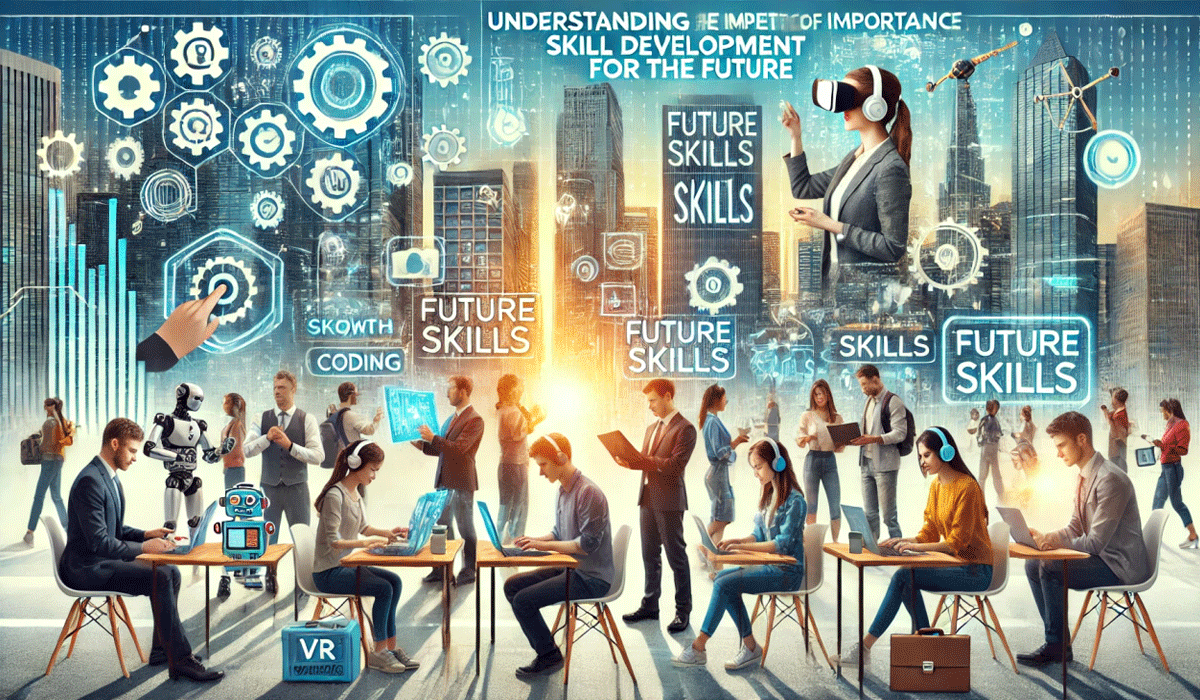
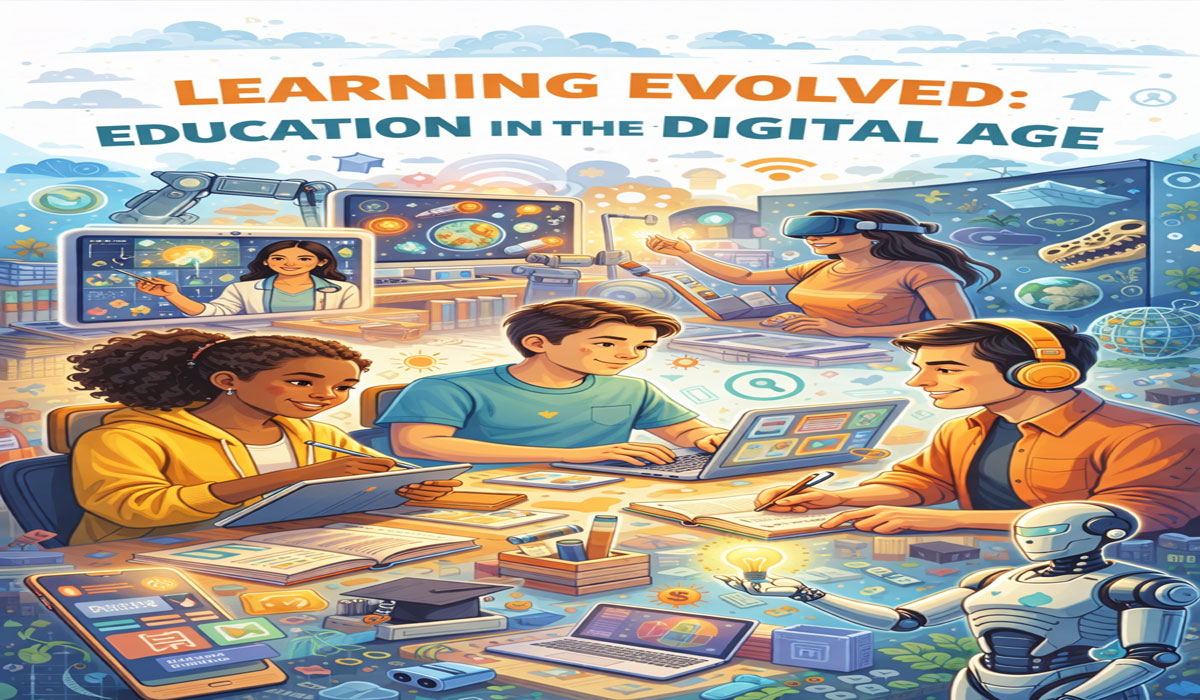
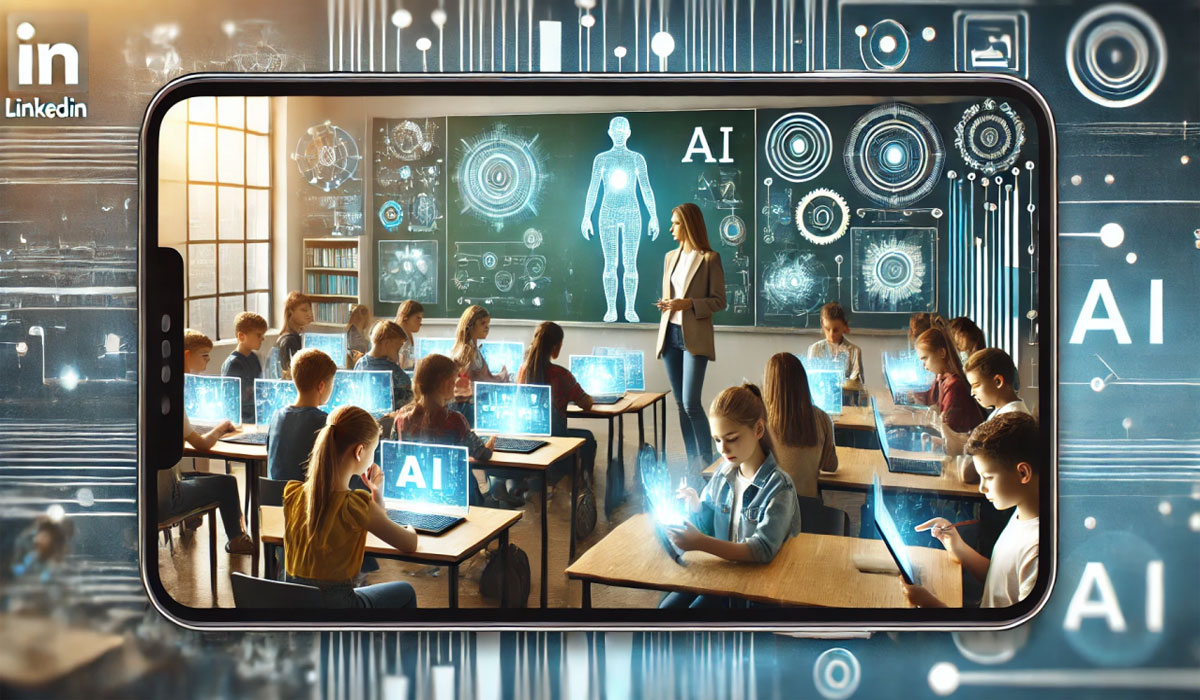
From virtual lectures to interactive learning platforms, technology is reshaping the way students learn and teachers teach.
In today’s fast-paced digital world, education is no longer confined to the traditional classroom. At the heart of this transformation lies wired media, the unsung hero that ensures fast, stable, and reliable connections. Below, It’s Time to Think About Wire media we’ll provide a more detailed explanation.
The Backbone of Digital Classrooms
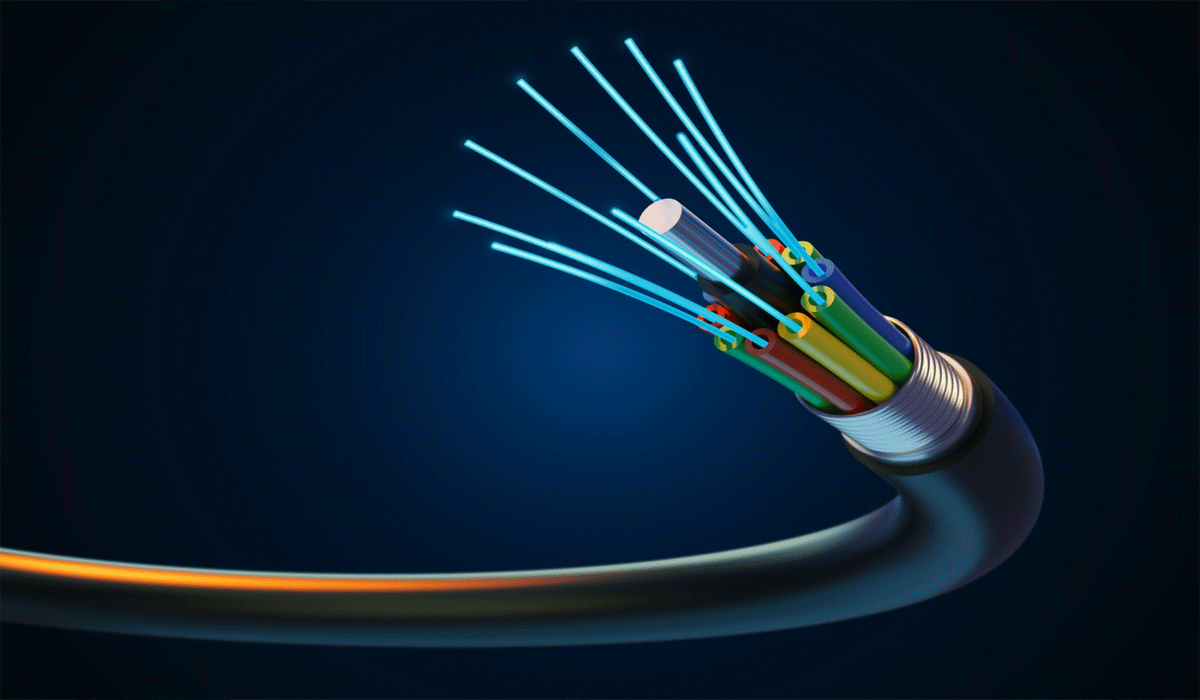
Modern education relies heavily on technology. From online lectures to digital libraries, schools and universities are becoming increasingly connected. Cable media provides the stable, high-speed connections needed to power these innovations. Unlike wireless systems, cables offer less interference, meaning students and teachers experience fewer disruptions during critical learning activities.
High-speed cables enable seamless access to large educational resources. Video lessons, interactive simulations, and collaborative projects all demand stable internet connections. A wired setup ensures that students can download materials quickly and participate in live online sessions without lag. This is crucial in maintaining the flow of learning and engagement in the classroom.
Moreover, wired connections support the integration of multiple devices simultaneously. In modern classrooms, students often use laptops, tablets, and interactive boards all at once. Cable media ensures consistent performance, preventing connectivity drops that can interrupt lessons. For schools looking to modernize, investing in cable media infrastructure is a step toward a reliable digital learning environment.
Enhancing Online Learning Experiences
The rise of e-learning has made stable internet a necessity. Students attending virtual classes, submitting assignments online, and accessing cloud-based resources rely on dependable connectivity. Cable media reduces buffering issues, making video lectures smooth and uninterrupted. This allows learners to focus on understanding the material rather than dealing with technical frustrations.
Additionally, cable media supports high-quality audio and video during online collaboration. Group discussions, presentations, and webinars become more effective when everyone experiences clear sound and visuals. This fosters better communication, encouraging students to engage more actively in learning activities.
Cable connections also minimize latency, which is especially important for real-time educational tools. Interactive apps, coding platforms, and virtual laboratories often require instant responses. A wired connection ensures that students can fully participate in these tools without delays, creating a more immersive and productive learning experience.
Read Also: It’s Time To Think About Cable Media And The Future of Stable Internet Connections
Supporting Smart Classrooms and EdTech Tools
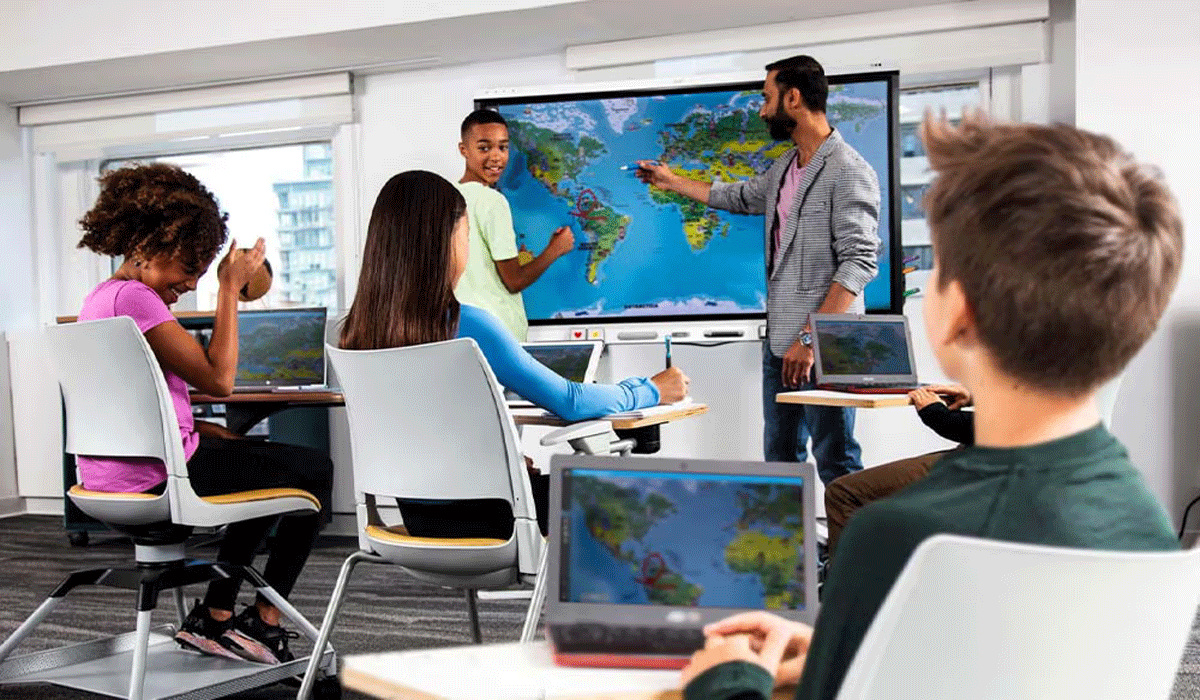
Smart classrooms are no longer a future concept, they are becoming the norm. Tools like digital whiteboards, smart projectors, and learning management systems need consistent connectivity to function efficiently. Cable media provides the reliability necessary for these devices to operate seamlessly.
EdTech platforms often handle large amounts of data. Streaming educational videos, uploading assignments, and sharing resources in real-time require robust bandwidth. Wired networks reduce the risk of network congestion, ensuring that multiple users can access resources simultaneously without performance drops.
Furthermore, wired connections enhance cybersecurity in schools. Cable media networks are less susceptible to hacking compared to open wireless systems. Protecting students’ data and educational content is critical in the digital age. By prioritizing cable infrastructure, schools create a safer, smarter learning environment.
Bridging the Gap Between Teachers and Students
Communication between educators and learners has evolved with technology. Video conferencing, instant messaging, and online grading systems depend on stable connections. Cable media helps maintain clear communication channels, reducing misunderstandings and delays.
Teachers can deliver lessons more efficiently using online platforms supported by wired connections. Whether recording lectures, hosting live sessions, or sharing resources, educators experience fewer technical interruptions, allowing them to focus on teaching.
Students benefit from faster access to feedback and educational content. With cable-supported networks, assignments upload quickly, and test results are available promptly. This immediate access to learning materials keeps students motivated and engaged in their educational journey.
Preparing for the Future of Education
The future of education is digital, collaborative, and interconnected. As schools adopt AI-powered tools, virtual reality simulations, and data-driven learning systems, reliable connectivity becomes even more crucial. Cable media provides the infrastructure to support these advancements.
Investing in wired networks today ensures that educational institutions are ready for tomorrow’s challenges. Schools with strong cable infrastructure can implement new technologies without worrying about performance issues. Ultimately, cable media transforms learning by making it faster, more reliable, and more interactive.
From stabilizing online classes to enabling innovative teaching tools, wired connections are essential for modern education. Students, teachers, and institutions alike benefit from a connected, forward-looking learning environment. Discover more ways Cable Media is shaping the future of education and enhancing learning experiences.
Image Information Source:
- First Image from: yourcommsgroup.com
- Second Image from: www.smarttech.com