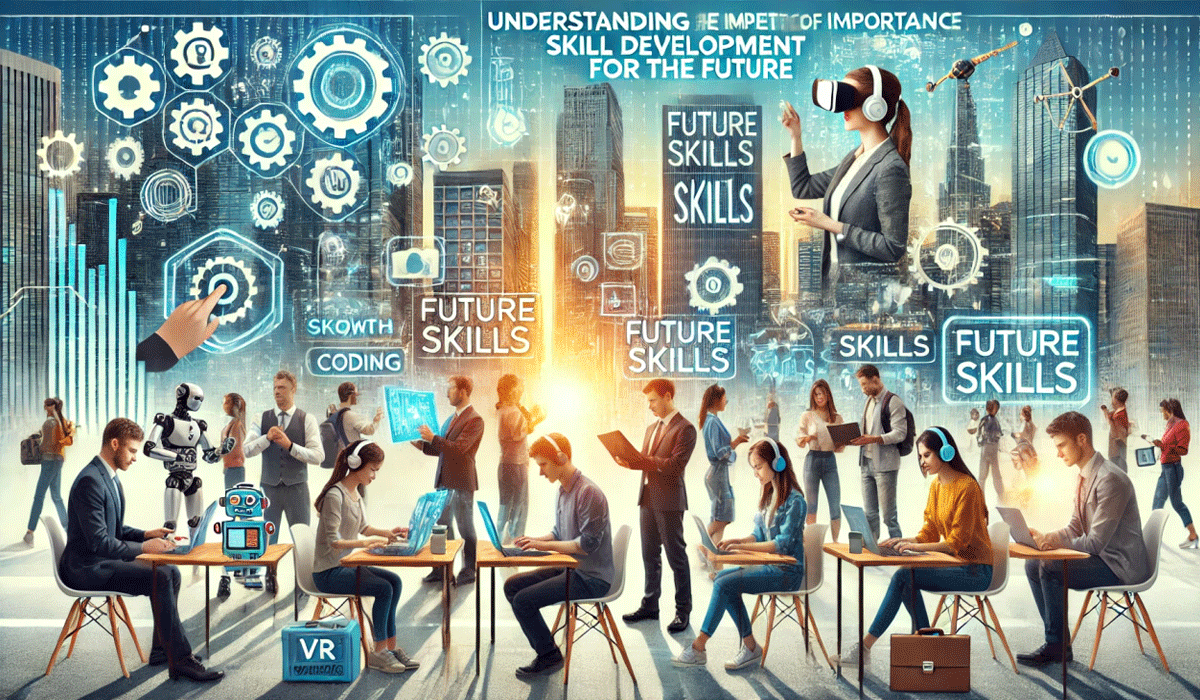
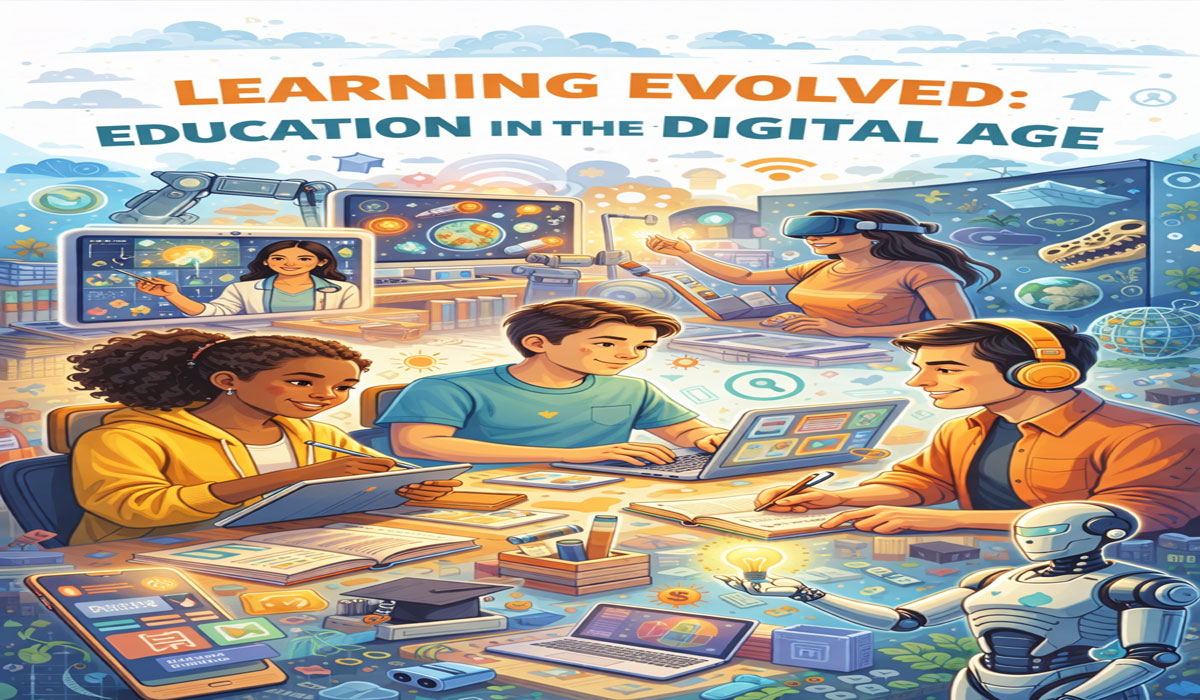
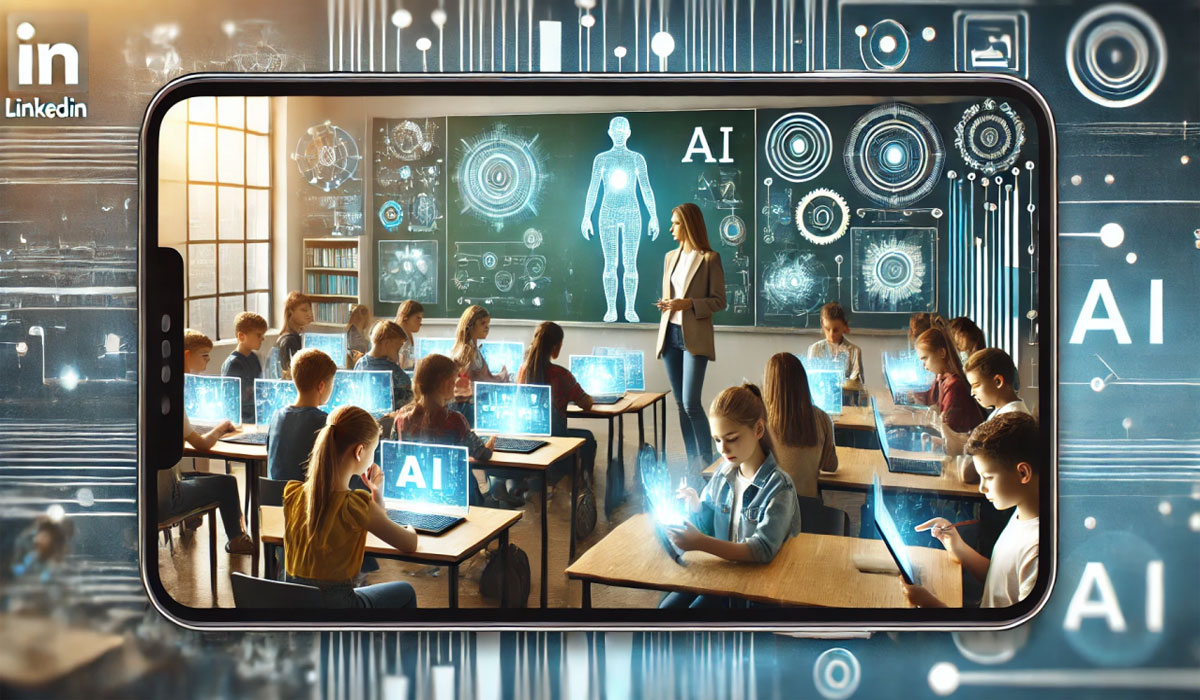
Education is undergoing a profound transformation, with rapid advancements in technology, digital learning environment.

Below we It’s Time to Think About Wire media will explores how digital advancements are revolutionizing learning and shaping the future of education.
Personalized Learning Through Technology
One of the most significant shifts in modern education is the move toward personalized learning. Digital platforms and AI-powered tools allow educators to tailor lessons according to each student’s strengths, weaknesses, and learning pace.
Personalized learning not only enhances understanding but also fosters engagement and motivation. Students are no longer passive recipients of information they become active participants in their educational journey, able to explore topics at their own pace and according to their interests.
Expanding Access to Education
Digital technology is breaking down geographical and socioeconomic barriers, making quality education accessible to a wider audience. Online courses, virtual classrooms, and e-learning platforms allow learners from different regions and backgrounds to access the same high-quality educational content.
This democratization of education empowers individuals who may have previously faced obstacles to learning, such as limited resources, physical disabilities, or remote locations.
Read Also: Travel to Unique Destinations That Few People Know About
Interactive and Immersive Learning
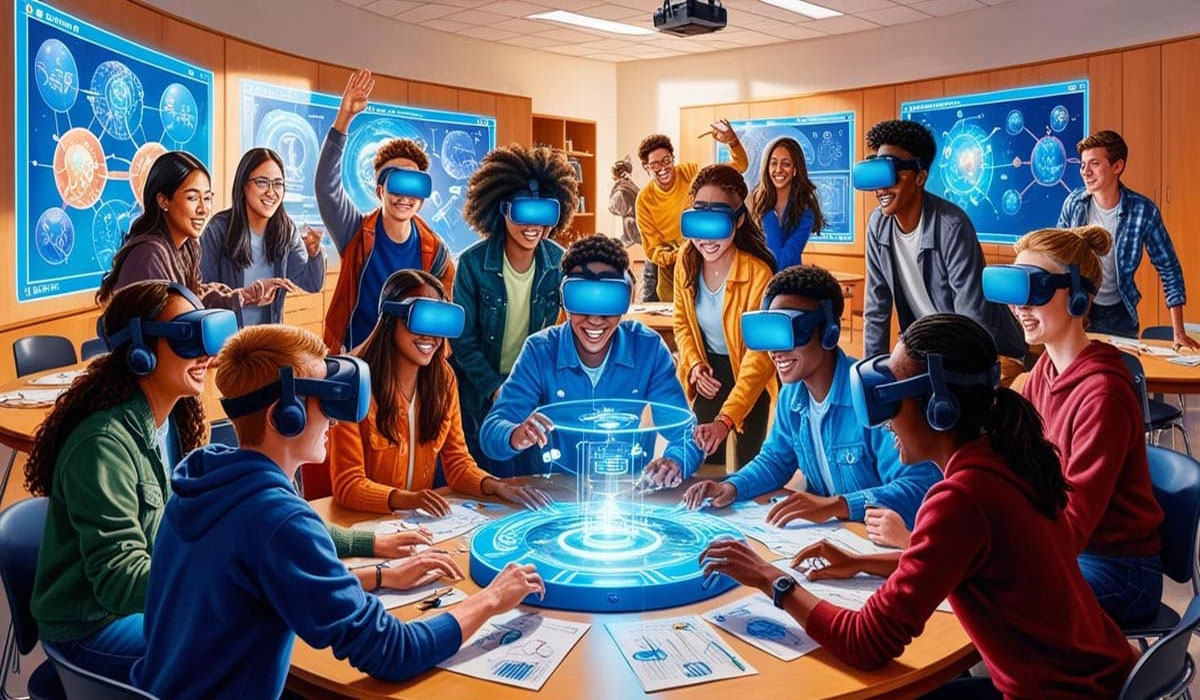
The integration of augmented reality (AR), virtual reality (VR), and gamification is transforming traditional learning into immersive and interactive experiences. Students can explore historical events in 3D, conduct virtual science experiments, or practice problem-solving in simulated real-world scenarios.
Such interactive learning methods enhance comprehension and retention by making lessons engaging and memorable. Immersive experiences encourage curiosity, critical thinking, and creativity, equipping students with skills essential for the rapidly changing digital world.
Preparing Students Digital Workforce
As the job market evolves, digital literacy and technological proficiency are becoming essential. Education in the digital age focuses not only on traditional academic knowledge but also on equipping students with skills in coding, data analysis, collaboration tools, and problem-solving.
By integrating technology into learning, students develop competencies that are directly applicable to modern careers. This ensures that graduates are prepared to navigate and thrive in an increasingly digital workforce.
Conclusion
Technology is not replacing traditional learning but enhancing it, creating opportunities for students to learn in ways that were previously unimaginable.
By embracing digital tools and innovative teaching methods, education can become more engaging, equitable, and effective, preparing learners to succeed in a fast-paced, technology-driven world. It’s Time to Think About Wire media provides new insights that are useful in determining the best steps forward.
Image Information Source:
First Image from: benjamingordongrant.com
Second Image from: metamandrill.com