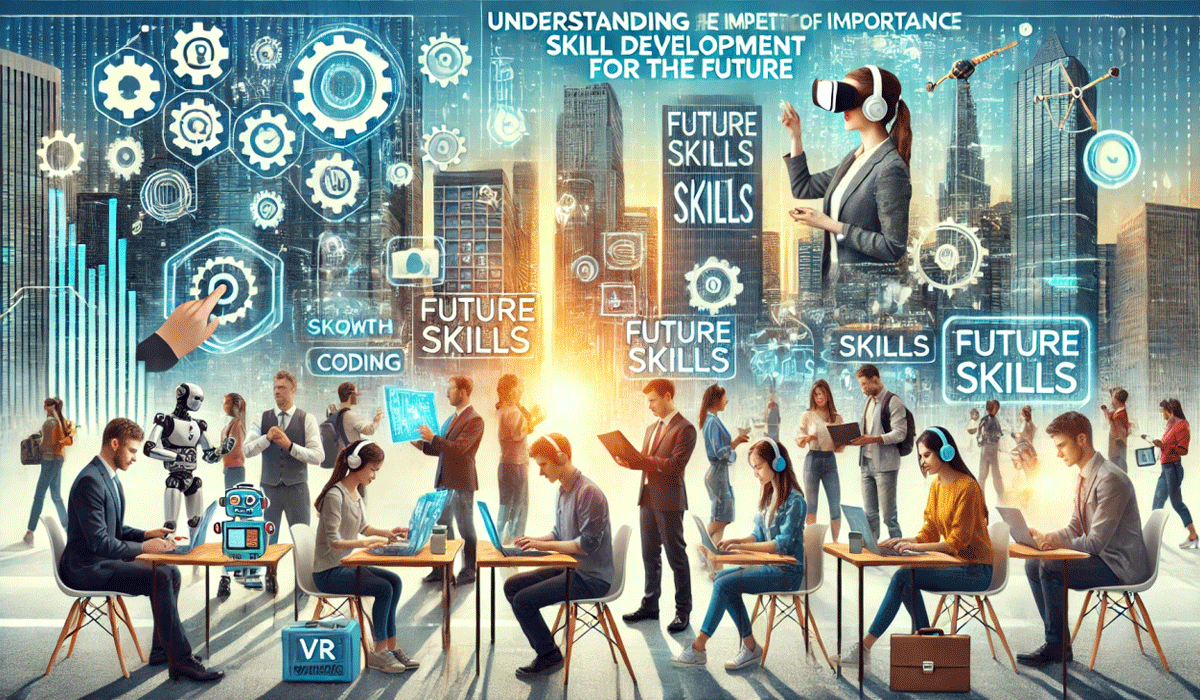
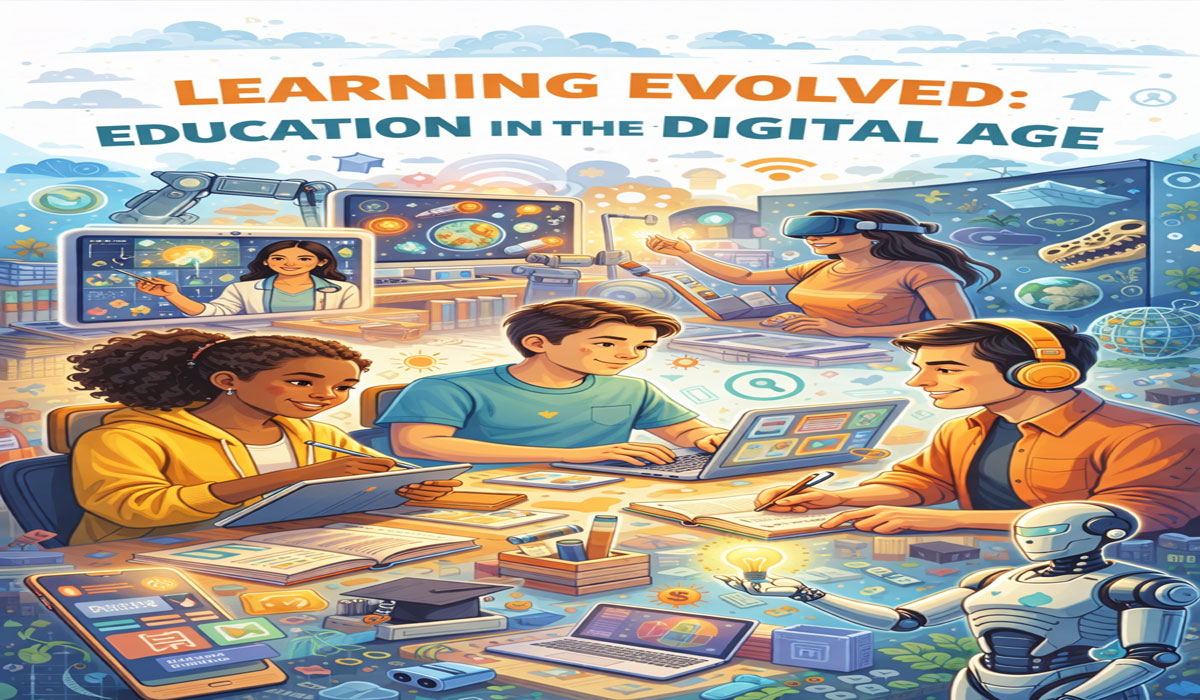
In today’s fast-paced world, traditional teaching methods are insufficient to prepare students for the future.
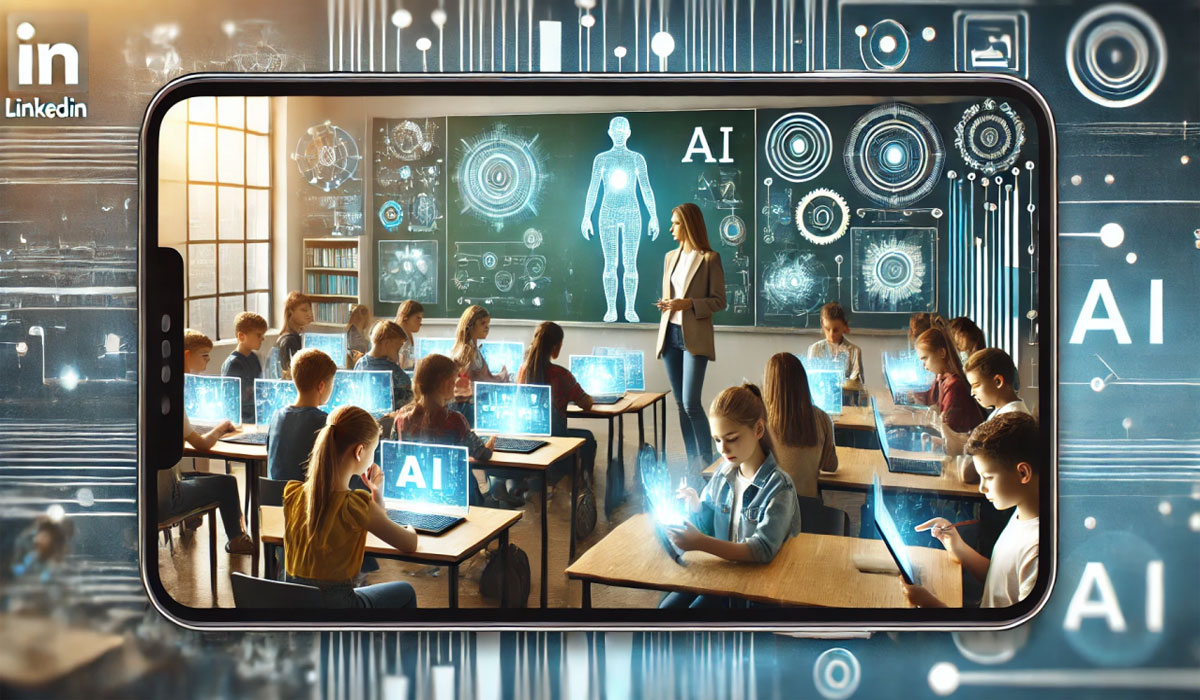
The concept of education is evolving, and innovation is at the heart of this transformation. As technology advances and society becomes more interconnected, modern education is undergoing a massive shift. The article It’s Time to Think About Wire media explores how new approaches and tools are reshaping the way we learn and teach, creating opportunities for more personalized, flexible, and inclusive educational
The Rise of Digital Learning Tools
One of the most significant innovations in modern education is the integration of digital tools. With the widespread availability of the internet, learning has moved beyond the confines of physical classrooms. E-learning platforms, virtual classrooms, and educational apps are now commonplace in schools and universities worldwide.
These tools allow students to access resources and collaborate with peers from any location, providing a level of convenience and flexibility previously unimaginable.
For instance, platforms like Coursera, Khan Academy, and Google Classroom have become central to education, offering interactive lessons, video lectures, and real-time feedback.
Additionally, the use of virtual and augmented reality (VR/AR) is enhancing hands-on learning, enabling students to experience simulations and immersive environments. This not only makes learning more engaging but also helps students grasp complex concepts in new, innovative ways.
Personalized Learning: Catering to Individual Needs
Another crucial aspect of modern education is the shift toward personalized learning. Traditional education often followed a “one-size-fits-all” model, where every student learned at the same pace and in the same way. However, with the advent of data analytics and adaptive learning technologies, educators now have the ability to tailor lessons to meet the specific needs of individual students.
Personalized learning platforms use algorithms to track a student’s progress, identifying strengths and areas for improvement. Based on this data, the system can suggest resources or activities to address the student’s needs, making learning more efficient and effective. This not only improves engagement but also ensures that no student is left behind.
For example, AI-driven programs like DreamBox or Smart Sparrow provide personalized learning experiences by adjusting the difficulty level of tasks as students progress. Such innovations empower students to learn at their own pace, helping them stay motivated and focused.
Collaborative Learning: Building a Community of Learners
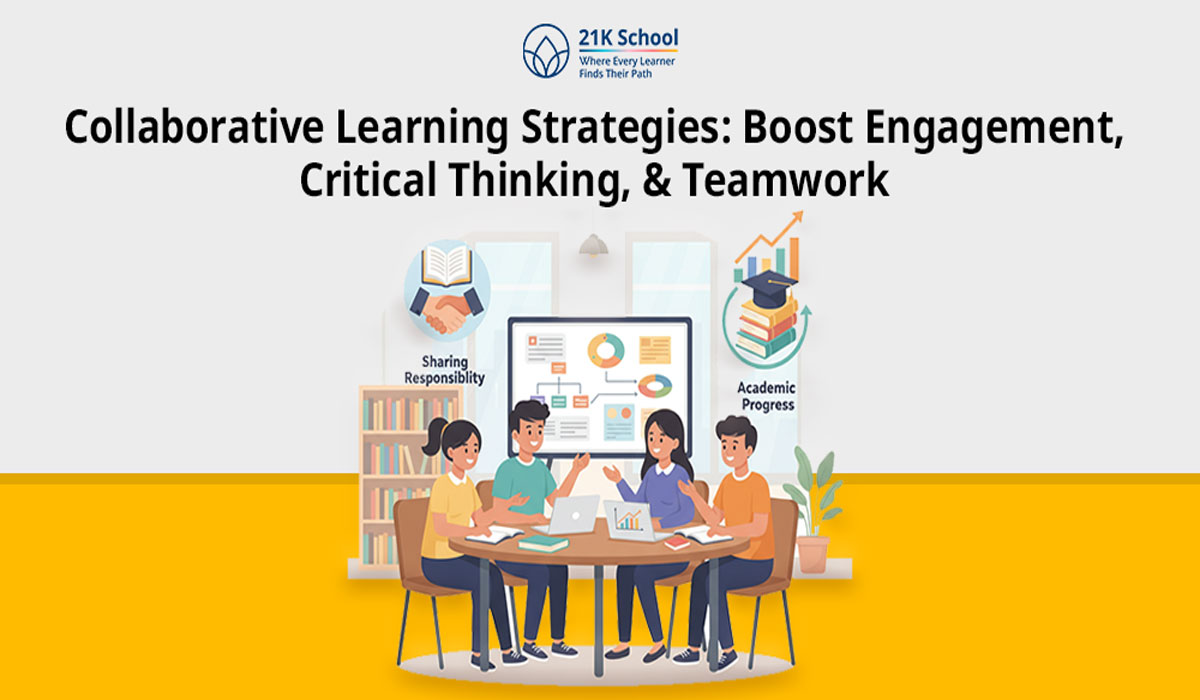
Innovation in education is also fostering a culture of collaboration. Modern classrooms are increasingly focusing on teamwork, encouraging students to collaborate on projects, share ideas, and solve problems together. In this collaborative environment, learning is seen as a social activity, where students are not just passive recipients of information, but active participants in the learning process.
With digital tools, collaboration has transcended physical boundaries. Students can work together on shared online platforms, engage in virtual group discussions, and participate in global educational communities. This prepares them for the future, where teamwork and communication skills are crucial in the professional world.
Furthermore, collaboration fosters diversity of thought, helping students develop critical thinking skills and learn from one another.
The Future of Education: Continuous Innovation and Adaptation
Looking ahead, the future of education seems full of possibilities. Innovations like artificial intelligence, blockchain, and advanced data analytics are just beginning to transform educational systems. These technologies have the potential to further revolutionize how we teach and learn, making education more accessible, equitable, and efficient.
However, as education becomes more technology-driven, it is essential to ensure that these innovations are used to support teachers, not replace them. The role of the educator is still central to the learning process. Rather than replacing human interaction, technology should be used to augment teaching and help educators provide more personalized, dynamic, and meaningful learning experiences.
Conclusion
The reimagining of learning through innovation is changing the landscape of education. With the integration of digital tools, personalized learning pathways, and collaborative practices, modern education is better equipped to prepare students for the future.
As we continue to embrace these innovations, we must ensure that education remains inclusive, flexible, and adaptable to the diverse needs of learners around the world. experiences. Are you impressed with the information we have? If so, we’re happy if you visit the It’s Time to Think About Wire media article frequently.
Image Information Source:
First Image from: linkedin.com
Second Image from: 21kschool.com