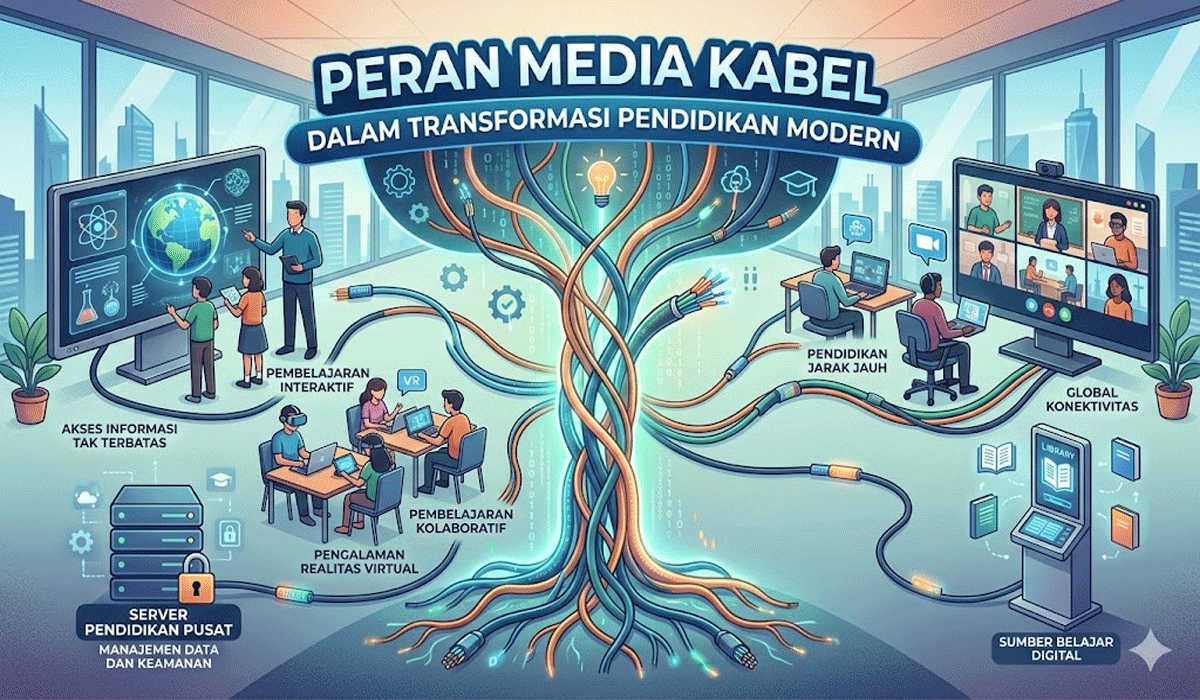
Entertainment has evolved dramatically over the past decade, driven by rapid technological advancements and shifting audience expectations.
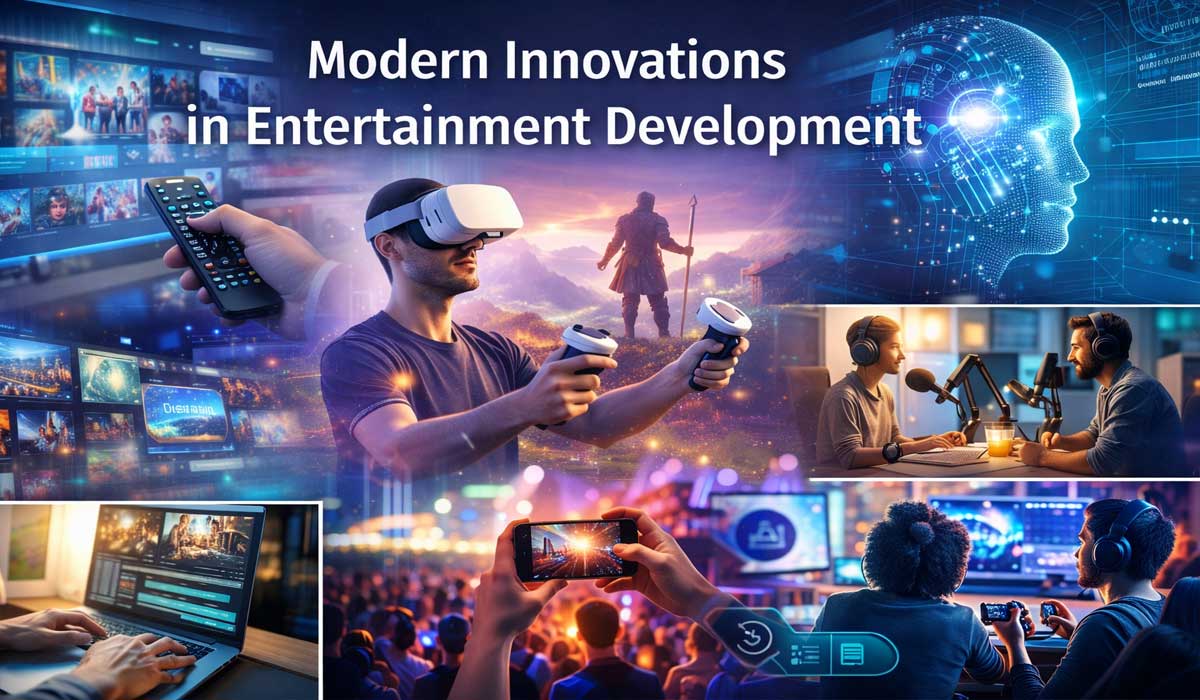
From immersive digital experiences to AI-driven content creation, the industry continues to redefine how stories are told and consumed. Modern innovations in entertainment development are not only transforming production processes but also reshaping how audiences interact with media. As technology becomes more sophisticated, the line between creator and consumer grows increasingly blurred.
The Rise of Streaming and On-Demand Platforms
Streaming platforms have revolutionized content distribution by offering instant access to movies, series, and live events. Audiences no longer rely on traditional broadcast schedules; instead, they choose what to watch and when to watch it. This flexibility has reshaped viewing habits and pushed creators to produce high-quality, binge-worthy content.
On-demand services also enable global reach. A series produced in one country can quickly gain international popularity. Advanced recommendation algorithms personalize user experiences, increasing engagement and satisfaction. This data-driven approach allows producers to understand viewer preferences more accurately than ever before.
Virtual Reality and Augmented Reality Experiences
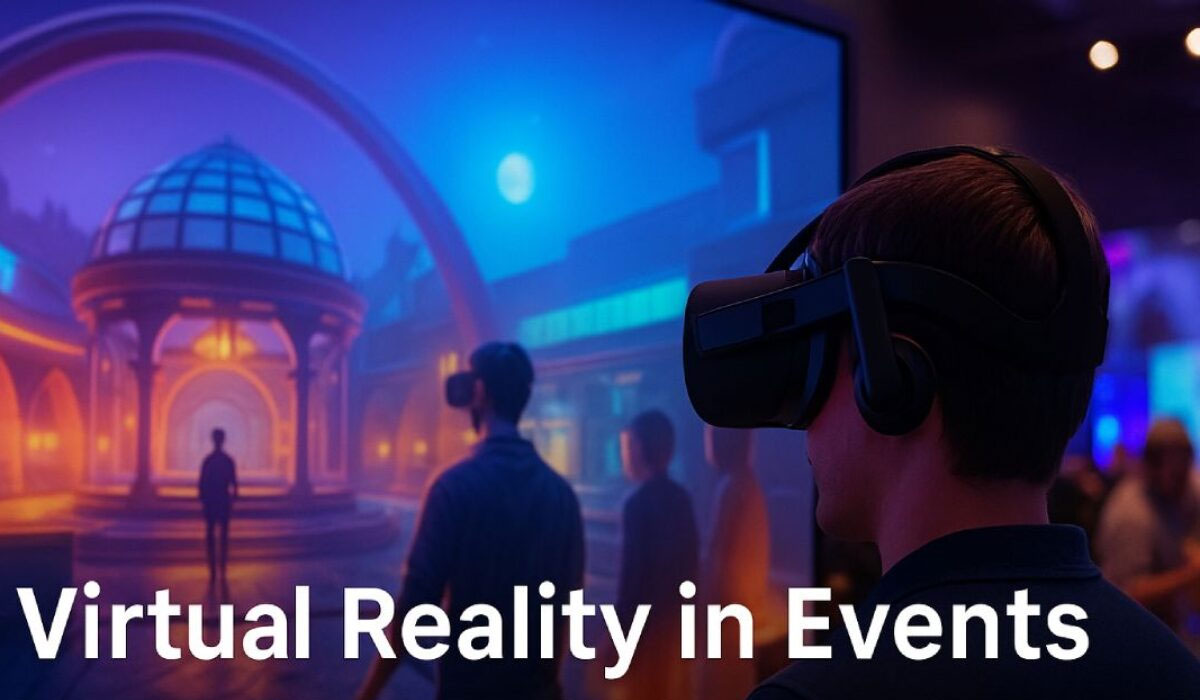
Virtual Reality (VR) and Augmented Reality (AR) have introduced immersive storytelling to the entertainment landscape. VR transports users into fully digital environments, making them active participants rather than passive viewers. Whether in gaming, concerts, or cinematic experiences, immersion creates deeper emotional connections.
AR enhances real-world environments by overlaying digital elements. Live sports broadcasts, interactive museum exhibits, and mobile gaming applications benefit from AR integration. These technologies expand creative possibilities, allowing developers to blend physical and digital worlds seamlessly.
Artificial Intelligence in Content Creation
Artificial Intelligence (AI) has become a powerful tool in entertainment development. AI assists in script analysis, video editing, and even music composition. By automating repetitive tasks, creators can focus more on storytelling and artistic direction.
AI-driven analytics also predict audience trends and optimize marketing strategies. Personalized trailers, targeted advertisements, and adaptive storylines are now possible. While human creativity remains central, AI enhances efficiency and opens new creative pathways.
Read Also: AI Revolution: Redefining the Boundaries of Human Creativity
Interactive and User-Generated Content

Modern audiences seek active participation rather than passive consumption. Interactive storytelling, where viewers influence plot outcomes, is gaining popularity. This approach transforms entertainment into a personalized experience, making each viewer’s journey unique.
User-generated content platforms empower fans to become creators. Social media, video-sharing sites, and streaming communities encourage collaboration and creativity. Developers increasingly incorporate community feedback into projects, fostering stronger relationships between creators and audiences.
The Expansion of Cross-Platform Integration
Cross-platform integration allows entertainment experiences to extend beyond a single medium. A popular film may inspire video games, podcasts, virtual events, and merchandise. This interconnected ecosystem strengthens brand identity and deepens audience engagement.
Mobile technology plays a crucial role in this expansion. Smartphones and tablets enable seamless access to entertainment anywhere. Developers design content with multiple devices in mind, ensuring consistency and quality across platforms. This holistic strategy maximizes reach and revenue opportunities.
Conclusion
Modern innovations in entertainment development are reshaping how stories are created, distributed, and experienced. Streaming services provide global access, while VR and AR introduce immersive dimensions. Artificial Intelligence enhances production efficiency and personalization. Interactive formats and user-generated content foster deeper engagement, and cross-platform integration expands creative possibilities. As technology continues to evolve, the entertainment industry will remain dynamic, continuously adapting to meet the expectations of a digitally connected world.
Image Source:
First Image from wire-media.com
Second Image from linkedin.com