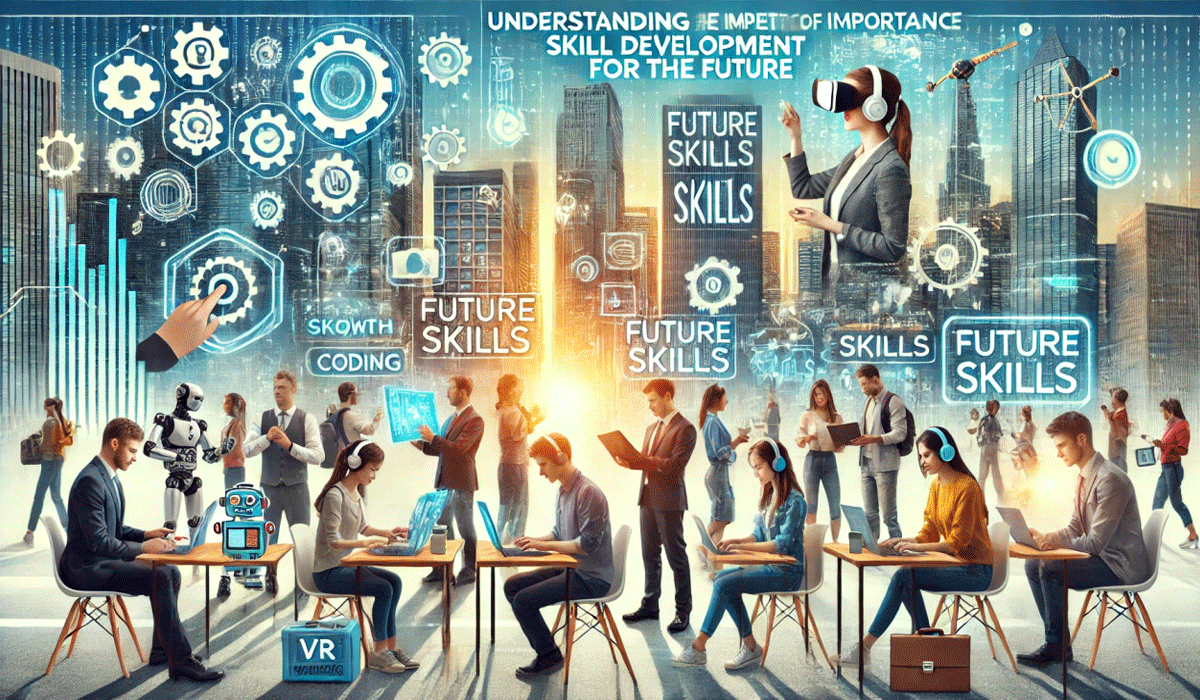
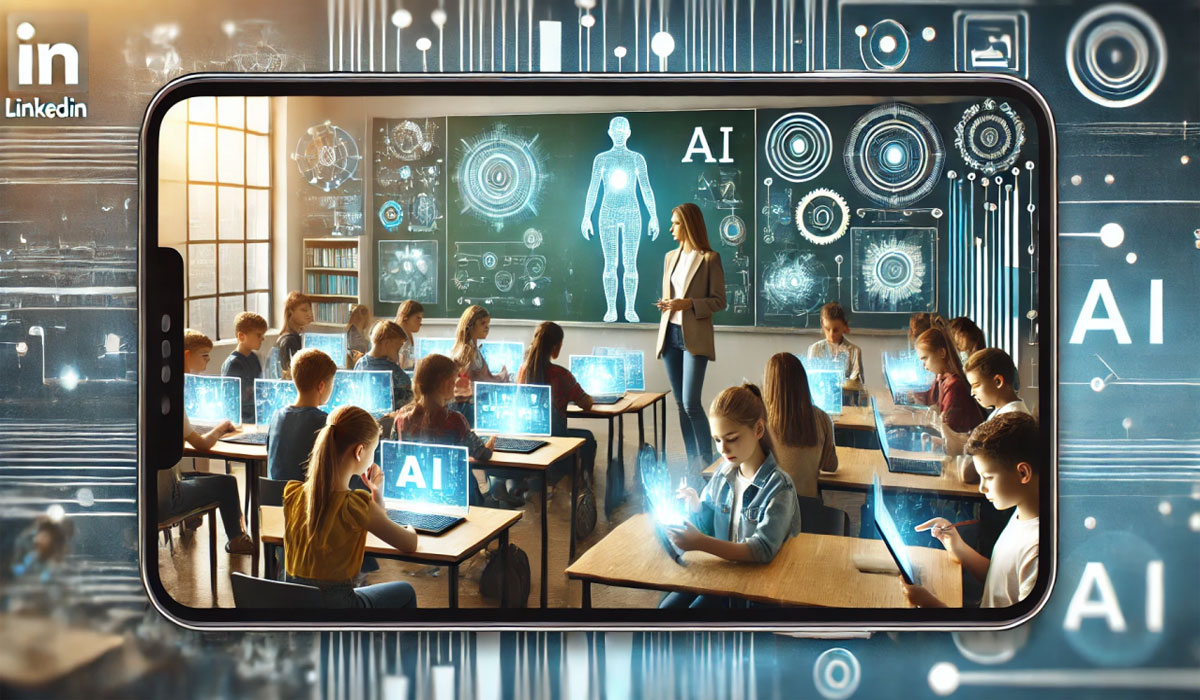
Education has undergone a profound transformation in the past decade, moving from traditional classrooms to digital platforms.
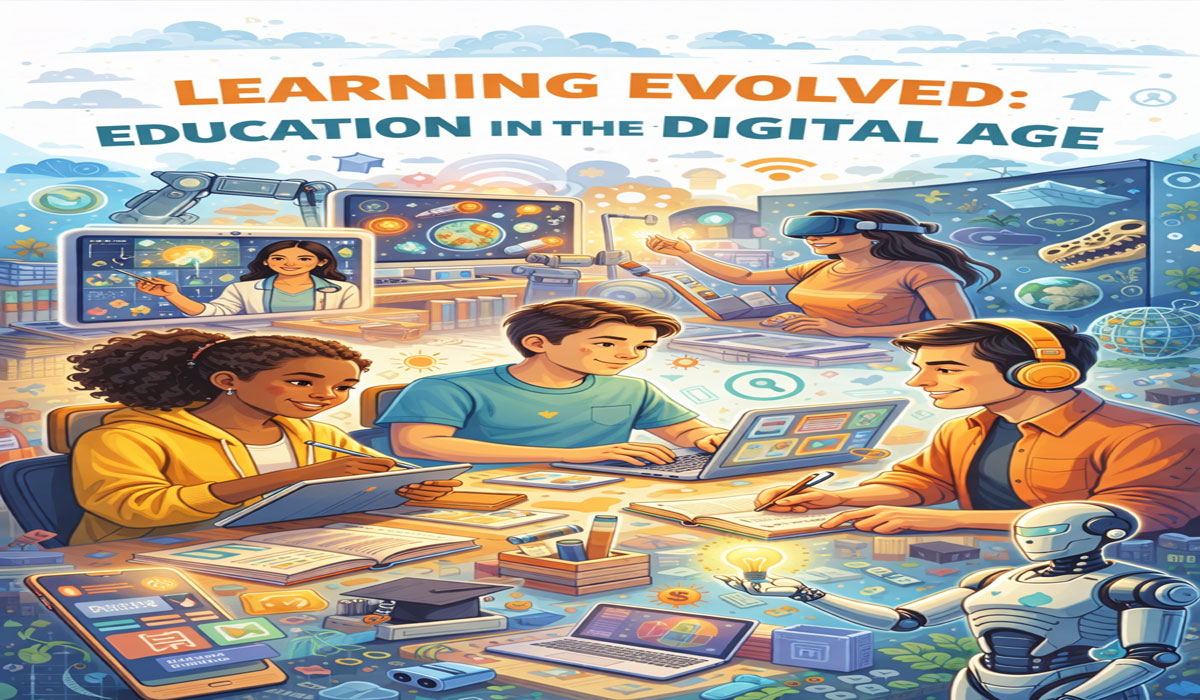
The rise of technology has reshaped not only how knowledge is delivered but also how it is consumed, assessed, and applied. Below we It’s Time to Think About Wire media will explore how education has evolved in the digital age and the strategies that make learning more effective, accessible, and engaging.
The Shift from Traditional to Digital Learning
One of the most noticeable changes in modern education is the move from physical classrooms to digital environments. Platforms such as online learning portals, virtual classrooms, and interactive educational apps have enabled students to access learning materials anytime, anywhere. This shift allows for more flexibility, catering to individual learning paces and preferences.
Digital learning also encourages personalized education. Adaptive learning technologies use algorithms to analyze a student’s performance and suggest tailored content, making the learning experience more efficient. This is a stark contrast to one-size-fits-all teaching in traditional settings, which often leaves some students behind.
The Role of Technology in Modern Classrooms
Technology has become an integral part of classrooms, even in physical learning environments. Tools like interactive whiteboards, tablets, and learning management systems (LMS) enhance engagement and provide teachers with real-time feedback on student progress. Video conferencing software has further expanded access, allowing students to attend lectures remotely or collaborate with peers worldwide.
Artificial intelligence (AI) and machine learning also play an increasing role. They can automate grading, provide instant feedback, and even identify areas where students struggle. Such innovations reduce administrative burdens on educators, giving them more time to focus on teaching and mentorship.
Read Also: Technology Today: Innovating the Future, Transforming Our Lives
Challenges of Digital Education
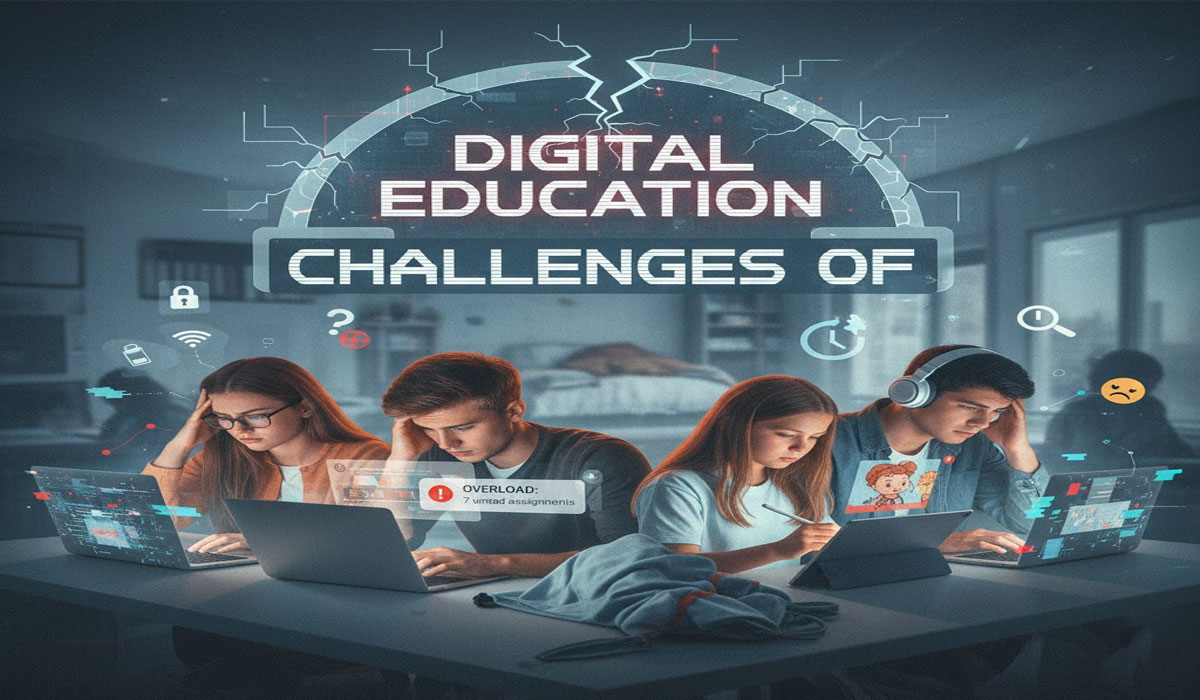
Despite its benefits, digital education comes with challenges. The lack of in-person interaction can impact social learning and communication skills. Additionally, not all students have equal access to reliable internet, devices, or conducive learning environments. Digital literacy also varies, requiring both teachers and students to continually adapt to new tools and platforms.
Maintaining engagement online can be difficult as distractions are abundant. Educators need to develop innovative instructional strategies, such as interactive content and collaborative assignments, to ensure that students remain motivated and focused.
Strategies for Effective Learning in the Digital Age
To thrive in digital education, both students and educators must adopt certain strategies. For students, time management, self-discipline, and active participation in online discussions are crucial. For educators, leveraging multimedia content, personalized learning paths, and regular feedback enhances student outcomes.
Blended learning, which combines digital tools with face-to-face instruction, has proven particularly effective. It allows students to benefit from the flexibility of online learning while retaining the social and interactive elements of traditional classrooms.
The Future of Digital Education
The digital age is likely to continue shaping education in transformative ways. Emerging technologies like virtual reality (VR) and augmented reality (AR) are poised to create immersive learning experiences. AI-driven tutors and predictive analytics may further personalize learning, ensuring that every student receives the support they need to succeed.
Education is no longer confined to a classroom or a schedule. As digital tools evolve, learning becomes more adaptive, interactive, and accessible, preparing students not only for exams but for a rapidly changing global landscape.
Conclusion
The evolution of education in the digital age has redefined how knowledge is shared, consumed, and applied. Technology has enhanced accessibility, engagement, and personalization, but it also requires adaptation, discipline, and thoughtful integration.
To learn more about digital marketing strategies and tips for choosing the right media, It’s Time to Think About Wire media for practical insights and comprehensive guidance.
Image Information Source:
First Image from: wire-media.com
Second Image from: wire-media.com