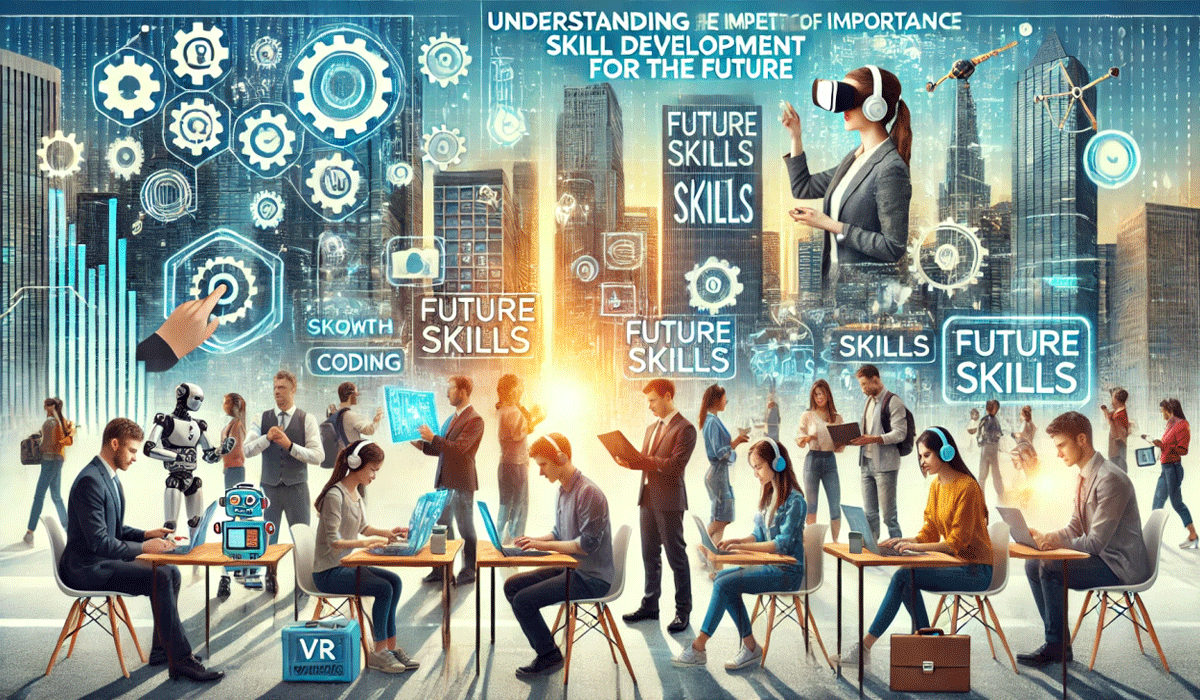
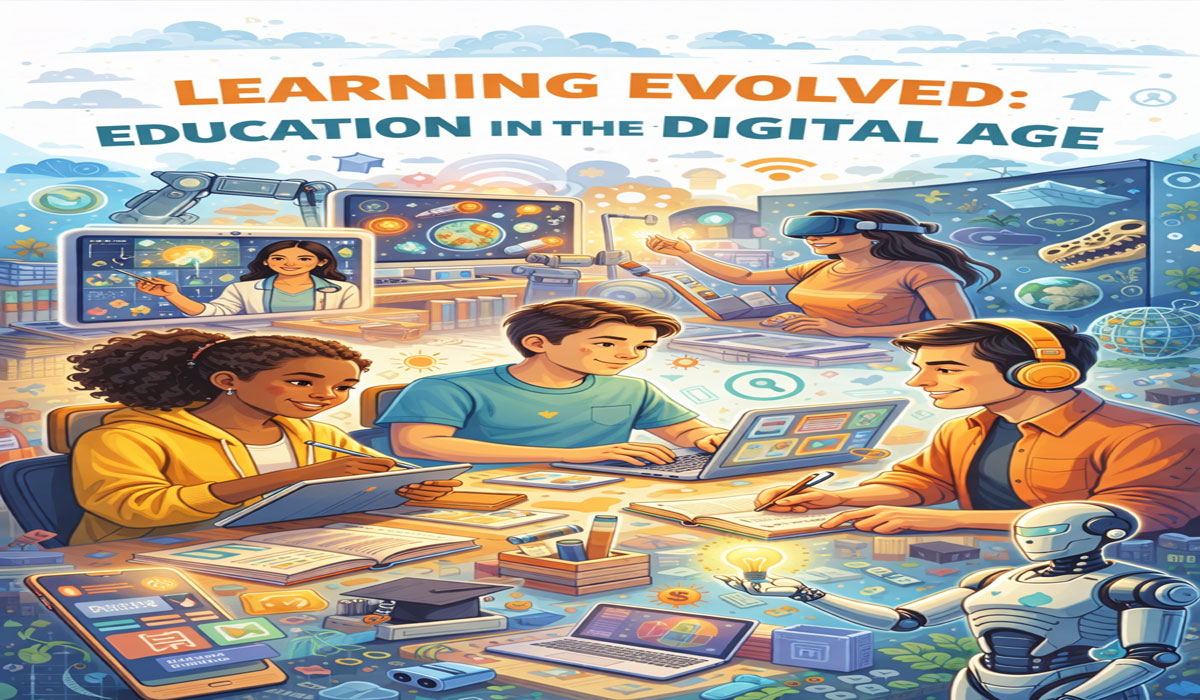
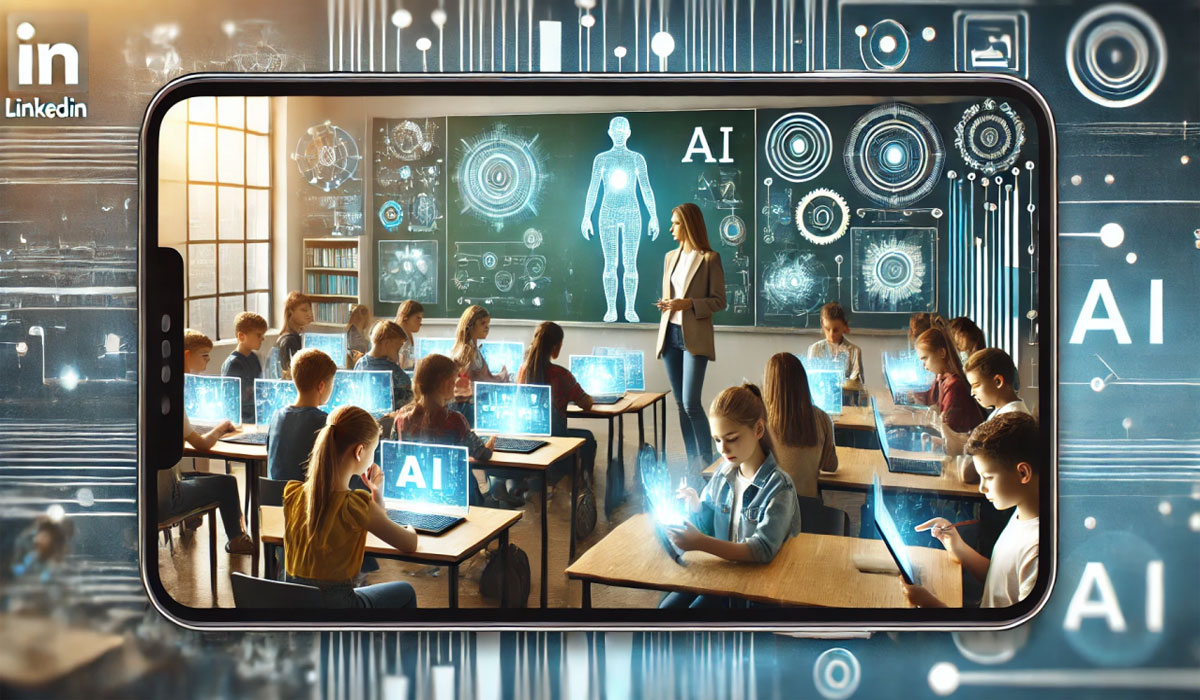
Education has long been recognized as one of the most powerful tools for shaping individuals, communities, and nations.
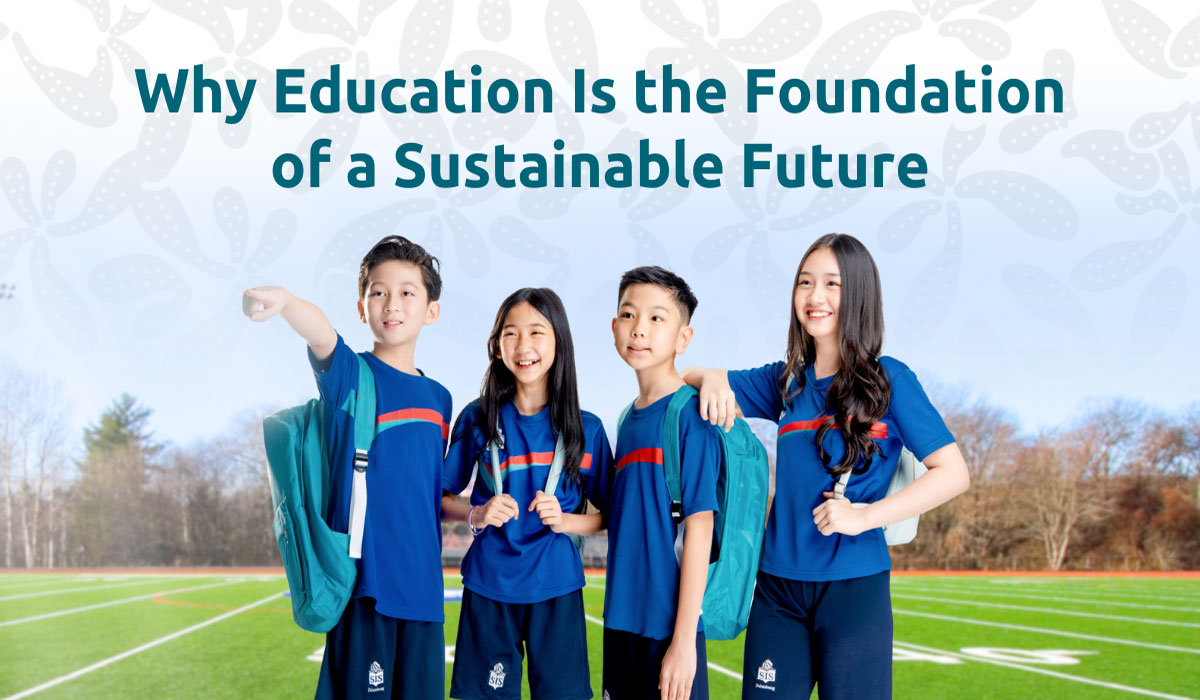
In a rapidly changing world driven by technology, globalization, and social transformation, education serves as the cornerstone for sustainable progress.
The following It’s Time to Think About Wire media will explain about education as the foundation of a better future.
The Role of Education in Personal Development
Education plays a crucial role in shaping an individual’s character, mindset, and potential. From early childhood through higher learning, education helps individuals develop critical thinking, problem-solving abilities, and emotional intelligence. These skills are essential not only for academic success but also for navigating real-life challenges with confidence and resilience.
Beyond technical knowledge, education fosters self-awareness and lifelong curiosity. Students learn to ask questions, explore new ideas, and challenge assumptions. This intellectual growth empowers individuals to make informed decisions, set meaningful goals, and continuously improve themselves in an ever-evolving world.
Moreover, education contributes to personal empowerment by opening doors to better career opportunities. A strong educational foundation increases employability, income potential, and job stability. As a result, educated individuals are more likely to achieve economic independence and improve their overall quality of life.
Education as a Driver of Economic Growth
A well-educated population is a key driver of economic development. Education enhances workforce productivity by equipping people with relevant skills that meet the demands of modern industries. Countries that invest in education tend to experience higher levels of innovation, entrepreneurship, and competitiveness in the global market.
Education also supports economic resilience by preparing individuals for changing job landscapes. As automation and digital transformation reshape industries, continuous learning and upskilling become essential. Education systems that emphasize adaptability and creativity help workers transition into new roles and reduce unemployment rates.
Furthermore, education reduces economic inequality by providing equal opportunities for advancement. When access to quality education is inclusive, individuals from diverse backgrounds can contribute to economic growth. This creates a more balanced and sustainable economy that benefits society as a whole.
Also Read: Strategy for Building a Business in the Digital Era Competitiveness
Building Stronger Societies Through Education

Education is fundamental to building cohesive, informed, and responsible societies. It promotes social values such as tolerance, empathy, and respect for diversity. Through education, individuals learn to understand different cultures, perspectives, and beliefs, fostering peaceful coexistence and social harmony.
Civic education, in particular, plays a vital role in strengthening democracy. Educated citizens are more likely to participate in civic activities, understand their rights and responsibilities, and engage in constructive dialogue. This leads to more transparent governance and accountable leadership.
In addition, education contributes to improved health and social well-being. Educated individuals are more likely to make healthier lifestyle choices, access healthcare services, and support community initiatives. As a result, education has a positive ripple effect that enhances overall societal stability and prosperity.
Education and the Future of Global Challenges
As the world faces complex challenges such as climate change, technological disruption, and global inequality, education becomes increasingly important. It provides the knowledge and skills needed to develop innovative solutions and address these issues collaboratively. Education encourages scientific literacy, ethical reasoning, and global awareness.
Sustainable development depends heavily on education that emphasizes environmental responsibility and social justice. By integrating sustainability into curricula, education prepares future generations to protect natural resources and promote equitable growth. This ensures that progress does not come at the expense of future generations.
Finally, education supports global collaboration by connecting people across borders. Digital learning platforms and international exchange programs expand access to knowledge and foster cross-cultural understanding. In this way, education acts as a unifying force that helps build a more interconnected and resilient world.
Conclusion
Education is undeniably the foundation of a better future. It empowers individuals, drives economic growth, strengthens societies, and equips humanity to face global challenges. By investing in accessible, inclusive, and forward-thinking education systems, we lay the groundwork for sustainable progress and shared prosperity. In a world full of uncertainty, education remains the most reliable path toward a brighter and more hopeful future.
Check out the latest and other interesting information only at It’s Time to Think About Wire media.
Image Information Source:
First Image: sisschools.org
Second Image: unimedliving.com