Technology shapes the world we live in, influencing the way we communicate, work, learn, and solve problems.
From everyday gadgets to advanced systems driving industries, technology continues to redefine human experiences and possibilities. This article, It’s Time to Think About Wire media will discuss preparing students for the future with a robust and reliable network that makes learning engaging, interactive, and efficient every day.
The Role of Technology in Daily Life
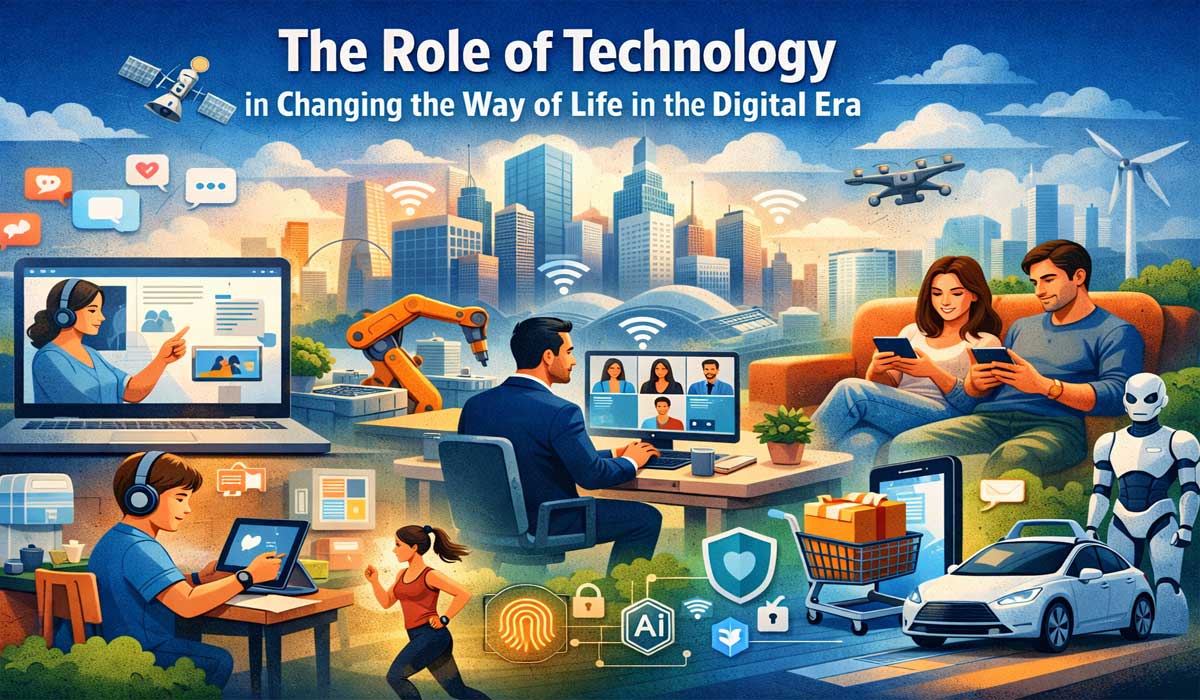
Technology has become an integral part of daily life, making tasks faster, more efficient, and more convenient. Smartphones, computers, and smart home devices help us stay connected, manage schedules, and access information instantly. These tools have transformed how we work, learn, and socialize, making the world more interconnected than ever.
Communication has seen a profound transformation through technology. Social media platforms, video conferencing, and messaging apps enable people to connect across continents in real time. This connectivity not only strengthens personal relationships but also facilitates global collaboration in business, education, and research.
Furthermore, technology enhances convenience in routine activities. Online banking, e-commerce, and digital health applications allow users to complete tasks from the comfort of their homes. This accessibility saves time, reduces stress, and creates opportunities for individuals to focus on more meaningful or productive endeavors.
Technology in Education and Learning
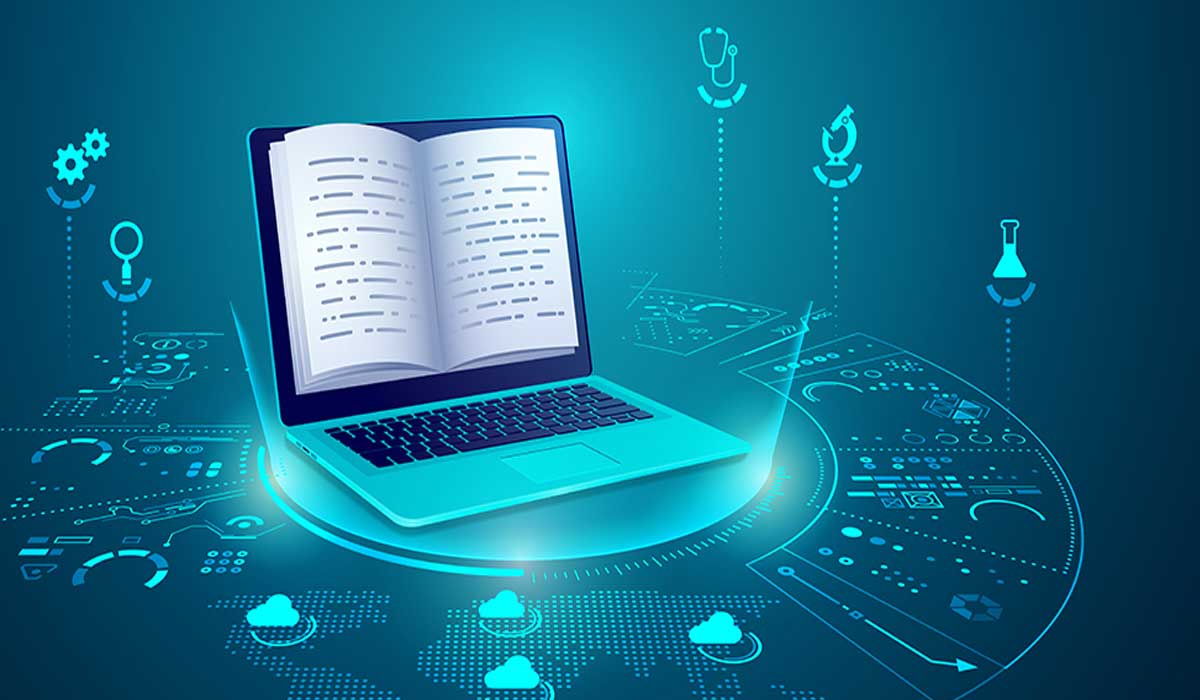
Education has been revolutionized by technology, opening new avenues for learning and skill development. Digital classrooms, online courses, and educational apps provide access to knowledge for people worldwide, breaking down geographical and economic barriers. Students can learn at their own pace and explore subjects beyond traditional curricula.
Interactive learning tools, such as virtual simulations, augmented reality, and gamified content, make education more engaging and effective. These technologies help students visualize complex concepts, develop critical thinking, and retain knowledge more efficiently. Teachers can also tailor instruction to individual learning styles, improving overall educational outcomes.
Moreover, technology facilitates global collaboration in learning. Students and educators can participate in webinars, virtual workshops, and international projects. By connecting learners from different backgrounds, technology promotes cultural exchange, innovation, and collective problem-solving skills that prepare individuals for a rapidly changing world.
Read Also: It’s Time to Think Strategically: Choosing the Right Media for Your Business
Innovations Driving Industries
Technological innovations are transforming industries at an unprecedented pace. Automation, artificial intelligence, and machine learning are streamlining processes, enhancing productivity, and enabling smarter decision-making. Businesses that embrace these technologies can reduce costs, improve efficiency, and remain competitive in a fast-evolving market.
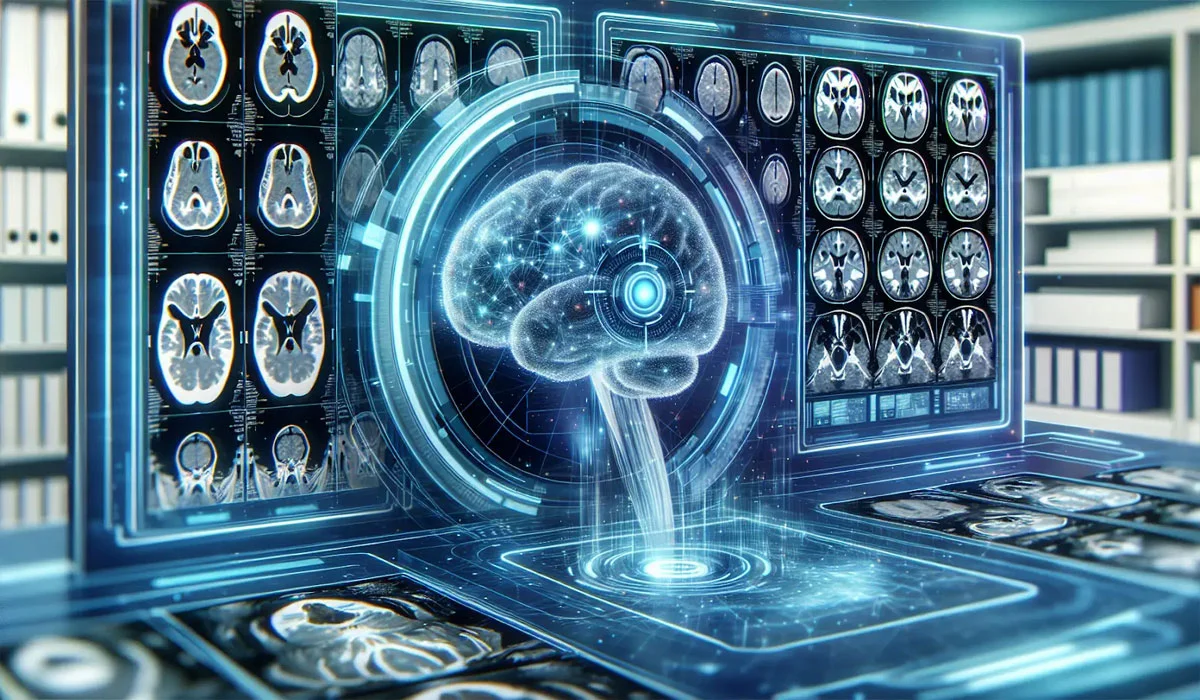
Healthcare has also seen remarkable advancements through technology. Telemedicine, wearable devices, and AI-assisted diagnostics improve patient care, enable remote monitoring, and provide data-driven insights. These innovations increase access to medical services, enhance treatment accuracy, and promote healthier lifestyles.
The transportation and energy sectors benefit as well. Electric vehicles, smart grids, and renewable energy technologies are reducing environmental impact and improving sustainability. Technology-driven solutions help industries operate more efficiently while addressing global challenges such as climate change and resource management.
The Challenges and Ethical Considerations
While technology brings immense benefits, it also presents challenges and ethical considerations. Issues such as data privacy, cybersecurity threats, and digital addiction require careful attention and responsible practices. Users and organizations must adopt measures to protect information and maintain digital well-being.
Job displacement due to automation and AI is another concern. While technology creates new opportunities, it also renders some roles obsolete. Preparing the workforce through reskilling, education, and adaptation strategies is essential to ensure that technological progress benefits society as a whole.
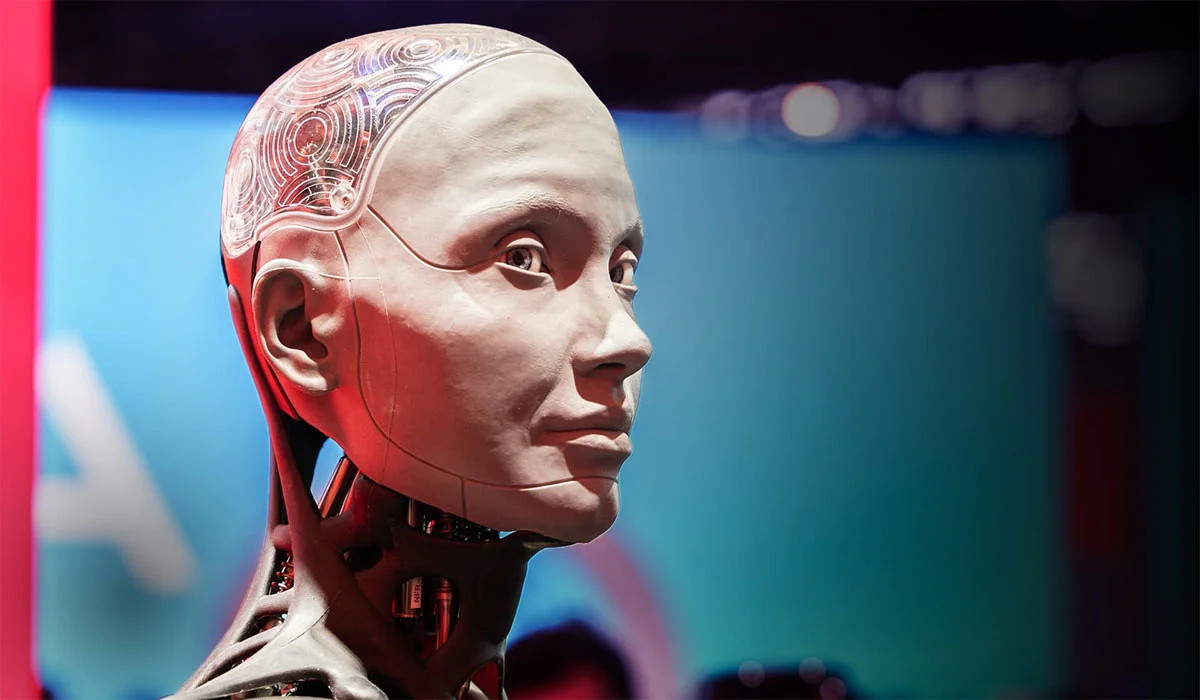
Ethical dilemmas also arise with emerging technologies, such as artificial intelligence, biotechnology, and surveillance systems. Balancing innovation with ethical responsibility requires thoughtful policies, regulations, and public awareness to ensure that technology serves humanity positively and equitably.
Conclusion
Technology today is more than just tools and devices; it is a force that drives progress, shapes societies, and enhances human potential. By integrating technology into daily life, education, and industries, while addressing ethical and societal challenges, we can harness its power responsibly. Embracing innovation with awareness ensures that technology continues to transform our lives for the better, creating a connected, efficient, and forward-looking world.
Image Information Source:
- First Image from linkedin.com
- Second Image from linkedin.com