Education and technology now intertwine as inseparable forces, transforming modern classrooms into dynamic, interactive spaces for learning worldwide.
Reshaping how students learn, teachers teach, and knowledge is shared in an increasingly digital world.
The following It’s Time to Think About Wire media will explain about education and technology in classrooms.
The Evolution of Technology in Modern Education
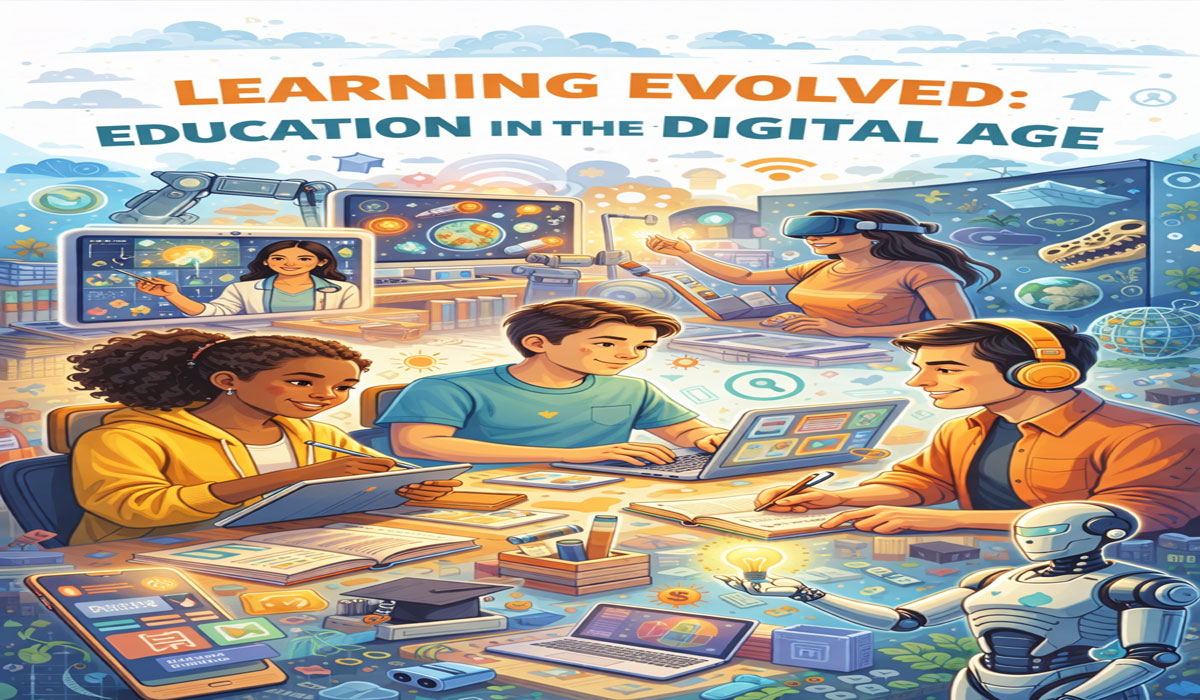
Technology in classrooms has evolved far beyond simple computer labs and projectors. Today, interactive whiteboards, tablets, learning management systems, and cloud-based tools are integrated into daily instruction. This evolution has shifted education from a teacher-centered model to a more dynamic, student-centered approach. Learners are no longer passive recipients of information; instead, they actively engage with digital content, simulations, and multimedia resources that bring abstract concepts to life.
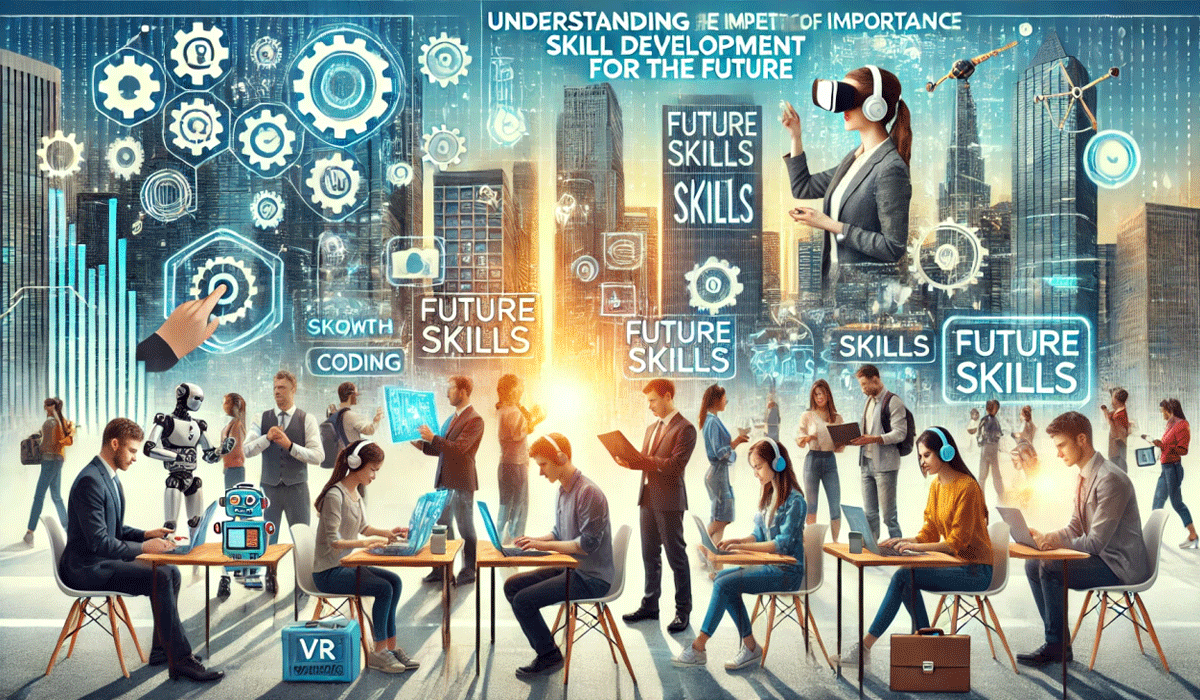
The rapid growth of educational technology is also driven by the need to prepare students for a digital future. Skills such as information literacy, digital collaboration, and critical thinking are now essential. By incorporating technology into lessons, schools help students become comfortable with tools they will encounter in higher education and the workplace. This alignment between classroom learning and real-world demands makes education more relevant and practical.
Enhancing Student Engagement and Learning Outcomes
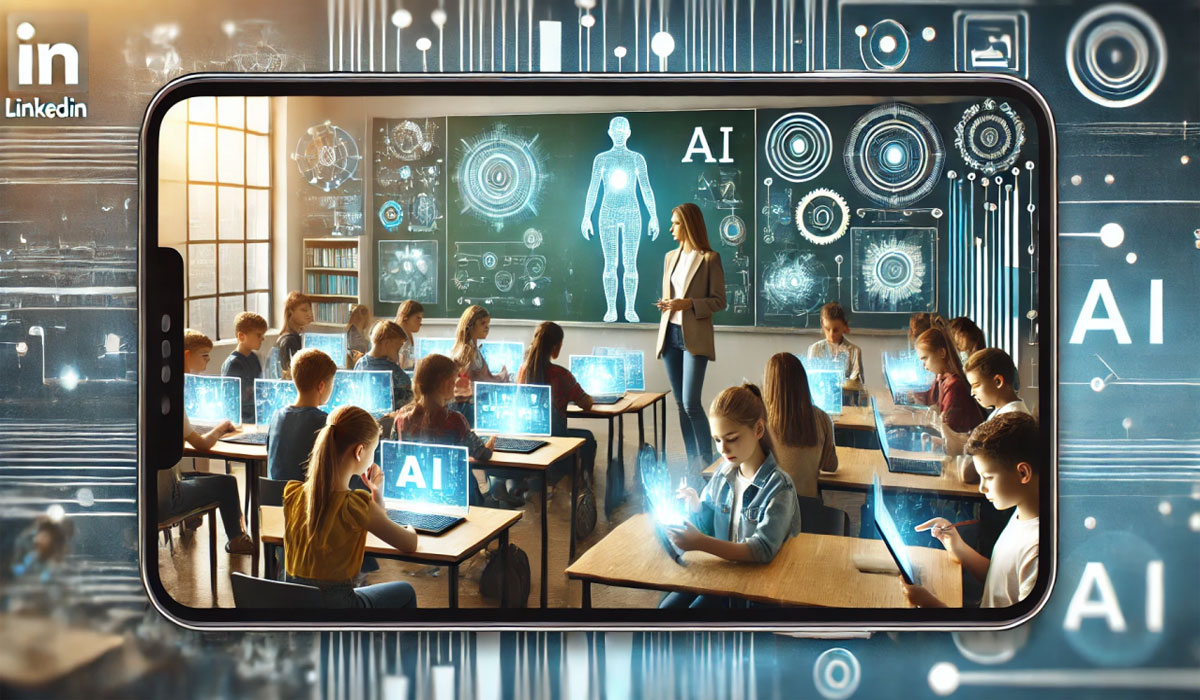
One of the most significant impacts of technology in classrooms is its ability to increase student engagement. Digital tools allow lessons to be interactive and visually stimulating, which can capture students’ attention more effectively than traditional methods. Videos, educational games, and virtual labs enable students to explore subjects in ways that match different learning styles, whether visual, auditory, or kinesthetic.
Beyond engagement, technology also supports deeper learning and improved outcomes. Adaptive learning platforms can adjust content based on individual student performance, providing personalized instruction that addresses strengths and weaknesses. Immediate feedback from quizzes and assignments helps students understand their progress and motivates them to improve. As a result, learning becomes more efficient, targeted, and meaningful.
Also Read: Tech Tomorrow: Innovations Shaping Our Future Today
The Role of Teachers in Technology-Integrated Classrooms
While technology plays a powerful role, teachers remain at the heart of effective education. In technology-integrated classrooms, educators act as facilitators and guides rather than sole sources of information. They design learning experiences that thoughtfully combine digital tools with pedagogical goals, ensuring that technology enhances rather than distracts from learning.
Professional development is crucial in helping teachers adapt to this changing role. Training in digital tools, online assessment methods, and classroom management in tech-rich environments empowers teachers to use technology confidently. When educators feel supported, they are more likely to innovate, experiment, and create engaging lessons that maximize the benefits of technology for their students.
Challenges and Ethical Considerations in Educational Technology
Despite its advantages, the integration of technology in classrooms also presents challenges. Access to devices and reliable internet remains unequal in many regions, creating a digital divide that can disadvantage certain students. Schools and policymakers must address these disparities to ensure that technology enhances equity rather than deepens existing gaps in education.
Ethical considerations are equally important. Issues such as data privacy, screen time, and online safety require careful attention. Students must be taught responsible digital behavior, while schools need clear policies to protect personal information. Balancing innovation with responsibility ensures that technology serves as a positive force in education rather than a source of risk or distraction.
Conclusion
Education and technology in classrooms represent a powerful partnership that is transforming learning for the better. When thoughtfully integrated, technology enhances engagement, supports personalized learning, and prepares students for a digital future. However, its success depends on well-trained teachers, equitable access, and responsible use. By addressing challenges and embracing innovation, classrooms can become more inclusive, interactive, and effective, ensuring that education continues to evolve alongside the world it serves.
Check out the latest and other interesting information only at education and technology in classrooms.
Image Information Source:
First Image: teachhub.com
Second Image: onlinedegrees.sandiego.edu